
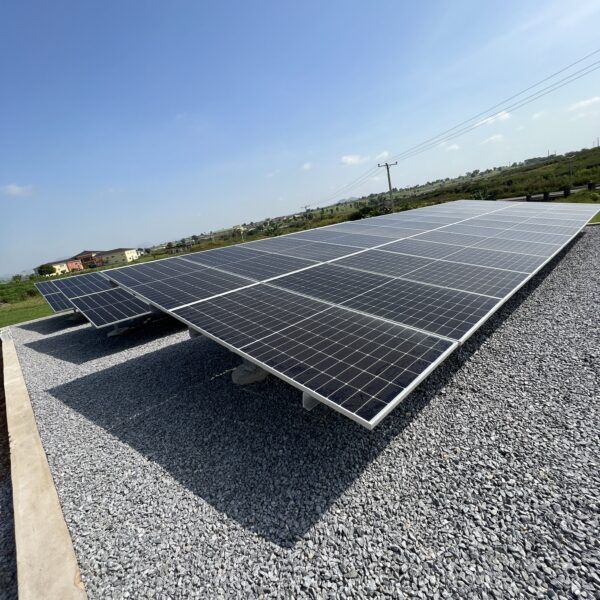
More homeowners are switching to solar every year. The idea is simple. You want clean power, lower bills, and long-term energy independence. However, success depends on the installation. Many people rush into the process. As a result, they face problems that reduce their system’s output. These issues also shorten the lifespan of the panels. This is why knowing the common mistakes people make when installing solar panels matters. It helps you plan wisely. It helps you protect your investment. And it helps you enjoy the full benefits of solar power.
In this guide, you will learn the most frequent installation errors. You will also see practical tips, clear examples, and easy steps to get the job done right.
Failing to Assess Roof Condition First
Many homeowners assume their roof is ready. However, this is often untrue. A weak or aging roof can cause big problems later.
Why Roof Condition Matters
Solar panels last 25 to 30 years. Therefore, your roof must be strong enough to support that lifespan. If not, you may need to remove the panels later to repair the roof. This makes the entire project more expensive.
Common Roof-Related Mistakes
- Ignoring soft spots or leaks
- Installing panels on brittle shingles
- Skipping a roof inspection
- Assuming the roof angle is ideal
Simple Best Practices
- Inspect the roof before installation.
- Check for leaks or damaged shingles.
- Confirm structural strength with a contractor.
- Plan repairs early if the roof is older than 15 years.
Placing Panels in the Wrong Location
Location affects sunlight exposure. For example, placing panels in shaded spots cuts energy output. Many homeowners underestimate how much shade affects efficiency.
Key Placement Mistakes
- Not checking shading throughout the day
- Installing too low on the roof
- Facing panels in the wrong direction
- Ignoring seasonal sun movement
What to Aim For
In the northern hemisphere, panels should face south. In the southern hemisphere, they should face north. Panels should also tilt based on your latitude. This angle helps capture steady sunlight. Additionally, check for tree growth. Trees grow quickly, and branches can cast more shade each year.
Practical Tip
Use a solar pathfinder tool. It shows how light hits your roof during each season. This prevents major placement mistakes.
Choosing the Wrong System Size
Some people install too few panels. Others choose a system far bigger than needed. Both choices waste money in the long run.
Why Proper Sizing Matters
A system that is too small increases your energy bills. On the other hand, a system that is too large creates unnecessary costs. You want a balanced setup that matches your usage.
Common Sizing Errors
- Guessing energy needs
- Ignoring future energy plans
- Forgetting about battery storage
- Not reviewing past utility bills
How to Size Your System Correctly
- Review 12 months of utility bills.
- Calculate your average monthly usage.
- Consider future changes such as EVs or home expansions.
- Discuss battery options with your installer.
Buying Poor-Quality Solar Panels
Low-quality panels may look affordable. However, they degrade faster and produce less power. This mistake costs more over time.
Warning Signs of Low-Quality Panels
- Very short warranties
- Unknown brands
- Poor efficiency ratings
- Cheap materials
Related Components to Watch
- Inverters
- Mounting racks
- Wiring and connectors
If one component fails, your entire system may shut down. Therefore, choose a reputable manufacturer.
Smart Purchasing Tips
- Look for Tier 1 solar panels.
- Choose panels with at least a 20–25 year warranty.
- Ask about degradation rates.
- Compare inverter features before buying.
DIY Installation Without Proper Knowledge
Installing solar panels is not simple. It involves electrical work, structural assessment, and safety rules. Many people attempt DIY installation and end up damaging their roof or wiring.
Common DIY Problems
- Loose mounting points
- Incorrect wiring
- Roof leaks
- Poor grounding
- Fire hazards
Why Professional Installation Helps
Licensed installers follow building codes. They also understand how to size, secure, and connect everything safely. Additionally, most incentives require certified installation.
If You Still Want DIY Help
- Start with a small off-grid panel
- Learn basic wiring rules
- Read manufacturer manuals
- Join solar forums for guidance
Not Checking Local Permits and Regulations
Permits are required in most regions. Some homeowners skip this step. As a result, they face fines or must remove the panels.
Common Regulatory Mistakes
- Not getting a structural permit
- Ignoring electrical inspections
- Violating homeowner association rules
- Skipping utility company approvals
How to Stay Compliant
- Contact your local building department early.
- Ask about rules for roof load, wiring, and fire safety.
- File paperwork before installation.
- Schedule required inspections.
This avoids delays and legal issues.
Ignoring Wiring and Inverter Placement
Even with strong panels, poor wiring reduces system output. Similarly, placing the inverter in the wrong spot can shorten its lifespan.
Common Wiring Mistakes
- Loose cables
- Exposed wires
- Poor conduit routing
- Wrong gauge wiring
Inverter Placement Errors
- Installing in direct sunlight
- Mounting in damp areas
- Limited airflow around the unit
Better Approaches
- Keep wiring neat and secure.
- Place inverters in shaded, cool areas.
- Follow all safety codes.
- Monitor voltage regularly.
Small wiring mistakes can cause major performance issues later.
Forgetting About Maintenance
Solar systems are low maintenance. However, they still need care. Many homeowners ignore this step, assuming the system runs itself forever.
Common Maintenance Oversights
- Not cleaning panels
- Skipping inverter checks
- Ignoring performance drops
- Not trimming nearby trees
Simple Maintenance Tips
- Clean panels twice a year.
- Check for debris after storms.
- Review inverter readings monthly.
- Trim trees to reduce shade.
These small steps improve efficiency and extend panel life.
Not Considering Future Energy Needs
Energy habits change over time. For example, many families later buy electric vehicles or add air-conditioning units. Some install home offices with extra equipment. If you ignore future needs, your system may become too small.
Examples of Future Changes
- EV charging
- Home expansions
- Pool pumps
- Heat pump installation
- Extra appliances
Plan Ahead by Asking
- Will energy usage rise in the next 5 years?
- Should you add space for more panels?
- Is battery storage a smart upgrade?
Planning ahead helps you avoid costly redesigns.
Skipping Professional Inspections After Installation
After your system is installed, a final inspection confirms everything is safe and efficient. Some people avoid this step because they think it is unnecessary.
Why This Is a Mistake
- Inspectors catch hidden wiring issues.
- They confirm correct grounding.
- They ensure panels are secured well.
- They validate inverter performance.
This inspection gives peace of mind and protects warranties.
Conclusion
Solar energy offers powerful long-term benefits. However, your success depends on avoiding common installation mistakes. Poor placement, rushed sizing, and low-quality components reduce performance. Skipping permits or ignoring maintenance also leads to costly issues. Therefore, careful planning is essential. When you take time to do things right, your system delivers clean, reliable power for decades.
Final Thought
Solar power is a smart investment. Above all, focus on quality and proper planning. A well-installed system rewards you with steady savings, strong performance, and long-lasting value. If you avoid these common mistakes, your solar journey will be smooth, safe, and successful.