Nigeria’s energy situation is changing fast. Many homes and businesses now look beyond generators and unreliable grid power. Solar energy is rising as a practical, cleaner, and cost-saving solution. The search for the five top solar brands in Nigeria is therefore growing, especially among people who want dependable power without noise or fuel expenses.
In this guide, we break down the leading solar brands trusted across the country. We highlight their strengths, unique features, and ideal use cases. You will discover real examples, key components, and useful buying tips. In addition, you will learn how to choose a solar brand that fits your home or business needs.
Let’s explore the power options that keep Nigeria running — even when the lights go out
Why Solar Matters in Nigeria
Solar energy offers simple advantages. It is clean, renewable, and cost-effective. It also reduces dependence on fuel scarcity and rising energy costs. Furthermore, it supports remote communities that lack grid access.
Below are key reasons solar keeps gaining ground:
- Constant power even during outages
- Lower energy bills over time
- Reduced generator noise and fumes
- Reliable backup for offices and shops
- Sustainable power for rural areas
- Easy scalability for growing homes
As a result, many Nigerians now compare solar brands before investing. This demand brings us to the five top solar brands in Nigeria today.
The Five Top Solar Brands in Nigeria
These top brands stand out due to quality, durability, widespread availability, and strong track record in Nigeria. Each offers solar panels (and often full solar systems) suitable for local climates and energy conditions.
1. JA Solar
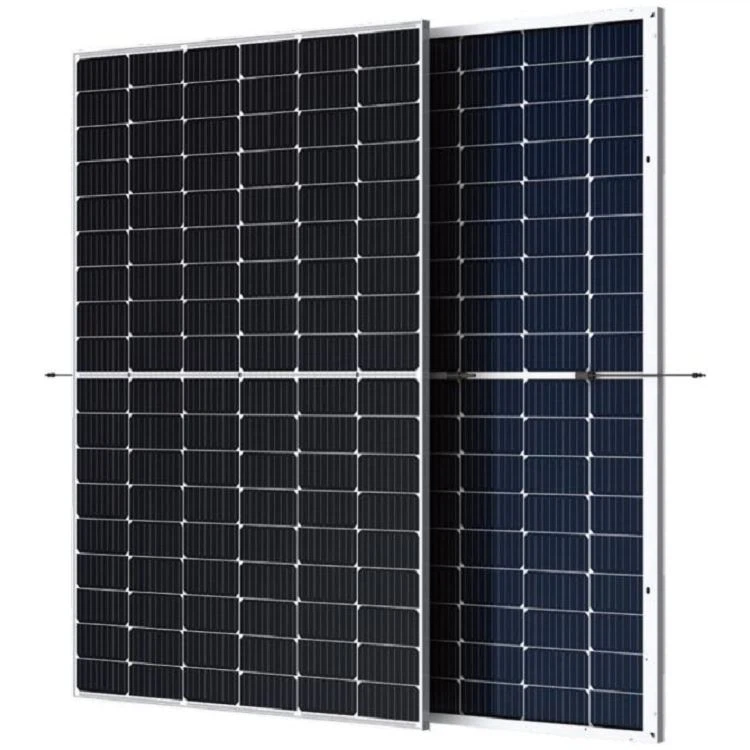
JA Solar is a globally recognized panel manufacturer. In Nigeria, its panels are popular for home, commercial, and industrial solar systems.
Why JA Solar Stands Out
- High-efficiency panels (mono-/bi-facial, high wattage)
- Good heat and temperature tolerance — useful under Nigeria’s hot climate
- Durable build (dual-glass or robust frame) and relatively low degradation over time
- Wide availability through distributors in major cities like Lagos, Abuja, and Port Harcourt
- Balanced value: efficiency and quality at a competitive price compared to some premium brands.
Best For
- Medium to large homes
- Commercial premises and offices
- Farms, telecom towers, or industrial setups
- Users who want long-term value and reliability
Example Scenario
A real estate developer in Abuja installs JA Solar 605W bifacial panels on a new estate rooftop. Because the panels handle heat and high sunlight well, the estate enjoys consistent power output even in dry season heat. Residents get stable electricity without constant generator
2. Jinko Solar
Jinko Solar is another top global panel manufacturer with strong presence in Nigeria. Its panels are widely used by solar installers nationwide.
Why Jinko Solar Excels
- High-efficiency monocrystalline and N-type panels with good yield per watt.
- Recognized reliability and “bankability” – often rated among Tier-1 manufacturers worldwide.
- Widely distributed in Nigeria — many dealers and installers stock Jinko panels.
- Good performance even under partial shade or less-than-ideal conditions.
- Strong balance of quality and cost — good value for residential or commercial solar systems.
Best For
- Homes and apartments
- Small or medium businesses
- Shops and offices
- Users wanting reliable panels that deliver good watt-per-naira value
Example Scenario
A Lagos small business owner wants to power lights, fans, and some AC units. Using Jinko Solar 465 W panels, the installer sets up a hybrid solar-battery system. The business now runs smoothly even with frequent grid outages, and fuel savings reduce operational costs significantly.
3. Green Village Electricity (GVE) Solar
GVE Solar remains a top Nigerian solar solutions provider. The brand is known for delivering full solar systems — panels, inverters, batteries — often tailored for local conditions.
Why GVE Solar Is Popular
- Experience with larger installations — schools, clinics, and community centers
- Good engineering, durable components suited for Nigerian climate
- Good reputation for reliability and stable output
Best For
- Medium to large homes
- Clinics, schools, and community facilities
- Rural electrification and mini-grid projects
Example Scenario
A rural school in northern Nigeria installs a hybrid solar system from GVE Solar. The system powers lights, fans, and computers for students. As a result, classes continue smoothly even when the grid fails — improving education quality and reducing generator fuel costs.
4. Blue Camel Energy
Blue Camel is a trusted Nigerian solar brand that delivers high-quality installations. Their approach blends quality hardware with design adapted to user needs.
Why Blue Camel Works
- Custom solar designs suited for large homes, offices, or businesses
- Use of good inverters and batteries to support heavier loads
- Reliable after-sales support and system maintenance
Best For
- Large homes or estates
- Offices, corporate buildings, and hotels
- Businesses with heavy power demands — e.g., banks, data centers
Example Scenario
A guesthouse in Abuja upgrades its power system with Blue Camel’s hybrid solar solution. The solar + battery system runs 24/7 for lighting, security, fans, and small AC units. The hotel reports lower generator fuel cost and fewer maintenance issues.
5. Lumos Nigeria
Lumos remains a strong option — particularly for smaller households or users who favour pay-as-you-go solar home systems. The brand offers affordable, easy-to-install solar kits, making solar accessible for many Nigerians.
Why Lumos Is Widely Used
- Pay-as-you-go financing — lowers upfront cost burden
- Easy installation and portability — simple rooftop panels or home kits
- Good for basic power needs (lights, phone charging, small appliances)
- Low maintenance and convenient for first-time solar users
Best For
- Small apartments or single rooms
- Low to moderate energy users
- People on tight budgets or in off-grid/rural areas
- Households wanting a simple, reliable solar solution without large upfront cost
Example Scenario
A single-room occupant in Abuja Suburb wants lights and phone charging with minimal expense. She subscribes to a Jinko solar plan. Now, she enjoys stable lighting and appliance power — without the stress of generator maintenance or high costs.
How to Choose the Right Solar Brand in Nigeria
Selecting one of the five top solar brands in Nigeria depends on your needs.
Key Factors to Consider
- Energy needs
- List your appliances.
- Check their watt ratings.
- Budget
- Compare full system vs. just panels.
- Consider financing or pay-as-you-go plans.
- Location & Usage
- Urban vs. rural.
- Basic lighting vs. heavy loads (AC, pumps, machinery).
- Panel quality & longevity
- High-efficiency panels (like JA or Jinko) deliver more and degrade slower.
- Lower-watt or budget panels might suit low-power needs.
- After-sales support & maintenance
- Local installers and support matter (for setup, maintenance, warranty).
- Spare parts and service availability — important for durability.
- Scalability
- Buy panels that let you expand later.
- Consider inverters and battery capacity for growth.
Benefits of Using Any of the Five Top Solar Brands in Nigeria
- Cleaner energy for homes and offices
- Lower generator use and reduced noise
- Better energy security
- Less fuel spending
- More uptime for businesses
- Safe and low-maintenance systems
- Longer system life, especially with high-quality panels
Practical Tips for Solar Users
- Install panels where sunlight is strong.
- Keep the surface clean and dust-free.
- Avoid overloading your inverter.
- Use energy-efficient appliances.
- Schedule regular maintenance checks.
- Choose certified installers — especially for imported panels like JA or Jinko.
Common Mistakes to Avoid
- Buying cheap, unbranded components
- Overloading the inverter system
- Poor wiring and DIY installation (without proper tools)
- Ignoring battery health and maintenance
- Installing panels under shade or in poorly ventilated areas
Conclusion
Solar energy is now one of Nigeria’s most reliable power solutions. The five top solar brands in Nigeria — JA Solar, Jinko Solar, GVE Solar, Blue Camel Energy, and Lumos — offer dependable systems for homes, farms, shops, and large businesses. Each brand brings unique strengths. Therefore, your ideal choice depends on your budget, energy needs, and long-term goals.
When you invest in solar, you invest in peace of mind. You also invest in cleaner air, lower costs, and a more stable future for your home or business.
Final Thought
The best time to switch to solar was yesterday. The next best time is today. Start small if needed. Grow your system as your needs expand. Most importantly, choose a trusted brand — whether a global panel maker or a proven local installer — for lasting power.


