
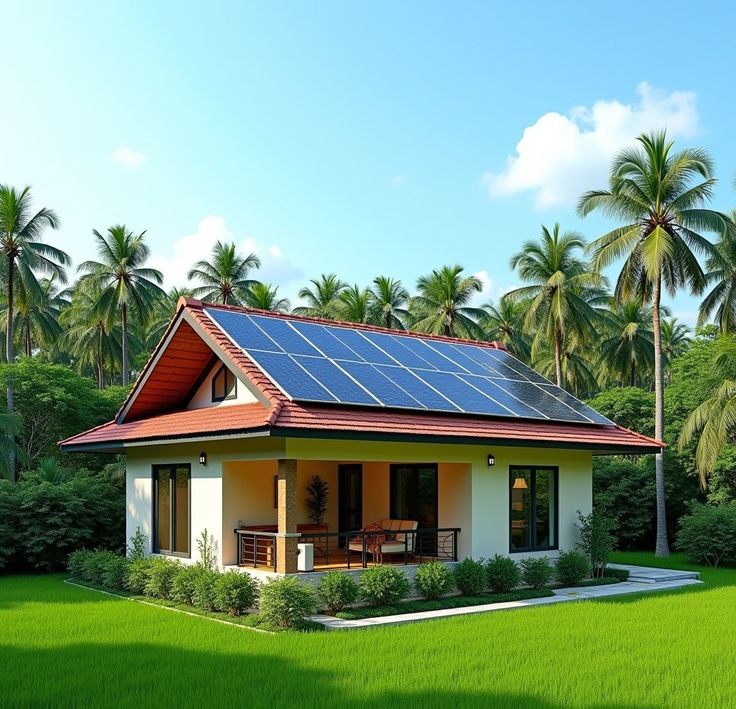
Modern homes are changing fast. New technologies are reshaping how we live, work, and save energy. Solar panels and smart homes sit at the center of this transformation. They work together to create cleaner, smarter, and more efficient living spaces.
Homeowners today want independence from rising energy costs. They also want comfort, convenience, and control. Smart home systems offer these benefits instantly. Solar energy adds even more value by powering these systems sustainably.
Together, they form a powerful combination that reduces bills, improves reliability, and enhances daily life. In this article, we explore how solar panels and smart homes work, why they matter, and how to bring them together efficiently.
Why Solar Panels and Smart Homes Work Well Together
Solar power and smart technology share the same goal. Both aim to improve efficiency while reducing waste. When they function as one ecosystem, homeowners enjoy smoother operations and meaningful cost savings.
1. Energy Efficiency Meets Automation
Solar panels generate clean, low-cost electricity. Smart home devices optimize how that electricity is used.
For example:
- Smart thermostats reduce heating and cooling waste.
- Smart plugs cut power to unused devices.
- Smart lighting adjusts to your schedule.
Because of this synergy, solar homes often use less energy overall. That means more solar power goes toward useful tasks.
2. Real-Time Power Management
Smart energy monitors show how much power each device uses. They help you see how your solar system performs in real time.
With this information, you can:
- Identify high-usage appliances
- Shift heavy use to sunny hours
- Reduce grid dependence
- Improve battery performance
This creates a home that adjusts automatically based on your solar system’s output.
3. Lower Electricity Bills
Solar panels reduce utility costs. Smart automation reduces waste. Together, they help homeowners save even more.
Savings come from:
- Efficient energy scheduling
- Peak-hour avoidance
- Smarter consumption habits
- Automated adjustments
Over time, these savings add up significantly.
4. Better Backup Power Control
Battery storage becomes more powerful in a smart home. A smart energy hub decides when to store power, when to discharge it, and how to stretch backup energy during outages.
This helps maintain comfort even when the grid goes down.
Core Smart Home Systems That Work With Solar Panels
Not all smart devices affect energy use. However, several categories pair extremely well with solar arrays.
1. Smart Thermostats
Heating and cooling systems consume large amounts of electricity. Smart thermostats improve efficiency by adjusting temperature based on:
- Time of day
- Weather conditions
- Occupancy
- Solar production
For instance, your thermostat can heat or cool your home more aggressively during high solar output hours. This reduces evening energy use.
2. Smart Lighting
Smart lighting uses sensors, dimmers, and schedules. This reduces waste and helps match energy use with solar production.
Features include:
- Motion-activated lights
- Auto-dimming based on sunlight
- Personalized routines
LED smart bulbs also use far less energy, increasing the efficiency of rooftop solar.
3. Smart Appliances
Modern appliances connect to home Wi-Fi and automation platforms. Many can run during peak solar hours.
Examples include:
- Smart dishwashers
- Smart washing machines
- Smart dryers
- Smart refrigerators
These appliances often feature “eco modes” that further reduce consumption.
4. Smart Energy Monitors
Smart monitors track:
- Real-time solar generation
- Battery status
- Appliance-level usage
- Grid draw
This data helps homeowners make better decisions. It also ensures the system operates at peak efficiency.
5. Smart EV Chargers
Electric vehicle chargers pair extremely well with solar power. Smart EV chargers allow homeowners to:
- Charge when solar output is highest
- Avoid peak grid pricing
- Reduce dependence on fossil fuels
This creates a full clean-energy ecosystem.
6. Smart Battery Systems
Solar batteries store excess energy. Smart battery systems decide how to use that energy wisely. They select between:
- Powering appliances
- Running backup loads
- Feeding the grid
- Saving energy for emergencies
This level of control increases system value and reliability.
How Solar Panels Power Smart Homes Efficiently
Smart homes allow precise control of energy flow. As a result, combining both technologies maximizes solar output.
1. Load Shifting for Maximum Savings
Solar panels produce the most energy during midday. Smart systems shift heavy electricity tasks into this window.
For example:
- Running the dishwasher mid-afternoon
- Heating water using solar power
- Charging an EV while the sun is brightest
This reduces grid use and lowers bills.
2. Automated Demand Response
During extreme heat or storms, utilities may charge higher rates. Smart homes receive alerts and adjust automatically.
Systems may:
- Reduce AC usage
- Temporarily pause charging
- Lower lighting levels
Solar energy becomes the primary source during these events.
3. Battery Optimization
A smart home ensures batteries are charged at the right times. It also helps stretch stored energy longer during outages.
Smart control allows:
- Selective powering of key devices
- Off-grid operation for longer
- Optimized charging cycles
This protects battery health while improving home reliability.
Benefits of Combining Solar Panels and Smart Home Tech
Bringing both technologies together offers several key advantages.
1. Lower Overall Costs
Solar panels cut energy bills. Smart technology minimizes energy waste. Together, they reduce electricity spending dramatically.
2. Improved Comfort and Convenience
Smart controls automate many daily tasks. Lights, AC, appliances, and charging schedules adjust automatically. Your home becomes easier and more comfortable to manage.
3. Higher Property Value
Buyers value energy efficiency and automation. Homes with rooftop solar and smart systems often:
- Sell faster
- Sell for more
- Appeal to eco-minded buyers
This creates a long-term return on investment.
4. Better Environmental Impact
Smart homes reduce wasted energy. Solar panels produce clean power. Combined, they allow homeowners to drastically reduce their carbon footprint.
5. Greater Energy Independence
With energy prices rising, independence matters. A solar-powered smart home can run efficiently even with minimal grid reliance, especially with battery backup.
Real-Life Example: How It Works
Imagine a homeowner with a 7 kW solar system and a smart home hub.
During sunny hours:
- The home charges the battery
- The EV charger powers up
- The dishwasher runs automatically
- The AC cools the home preemptively
During cloudy hours:
- The battery supports key loads
- The thermostat adjusts slightly
- Non-essential devices pause automatically
During a power outage:
- Only essential devices remain active
- Battery backup lasts longer
- Comfort stays high without fuel or noise
This creates a seamless, efficient lifestyle without extra effort.
Tips for Creating a Solar-Powered Smart Home
Here are simple steps to make the most of your system.
1. Choose Compatible Devices
Pick smart devices that integrate well with your inverter or home energy hub.
2. Automate High-Energy Appliances
Schedule heavy tasks for peak solar times.
3. Install a Smart Energy Monitor
Track usage and adjust habits accordingly.
4. Add Battery Storage
Batteries increase independence and stability.
5. Use Eco Modes Whenever Possible
Most smart appliances include energy-saving modes.
6. Keep Panels Clean
Clean panels maximize solar output and boost efficiency.
Conclusion
Solar panels and smart homes are a powerful partnership. They create cleaner, smarter, and more efficient living spaces. They also help reduce costs, improve comfort, and increase energy independence.
As technology continues to grow, these systems will become even more connected. Homes will adjust automatically. Energy will flow more freely. And homeowners will enjoy greater control and savings than ever before.
Final Thought
If you want a future-ready home, start with solar and smart technology. Together, they build a foundation for comfort, savings, and sustainability for decades to come.


