
Solar energy feels almost magical.
The sun rises, panels work, and power flows.
However, many homeowners ask one key question.
What happens when solar batteries are full?
This moment matters more than people think.
It affects efficiency, safety, and long-term savings.
In addition, it influences how much energy you truly use.
Therefore, understanding this process helps you make smarter choices.
Let’s break it down simply and clearly.
Understanding Solar Batteries and Their Role
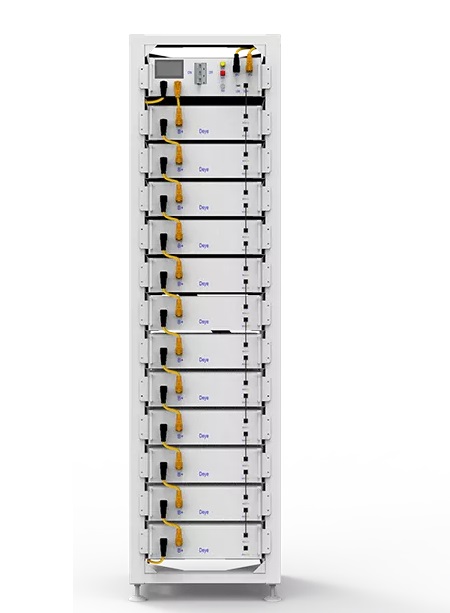
Solar batteries store extra energy.
They collect power your panels do not use immediately.
For instance, this energy helps at night or during outages.
Above all, batteries increase energy independence.
They reduce reliance on the grid.
They also improve overall system efficiency.
However, batteries have limits.
Once full, they cannot store more energy.
That is where smart systems step in.
What Happens When Solar Batteries Are Full?
When batteries reach 100%, several things may occur.
The outcome depends on system design and settings.
In short, excess energy must go somewhere.
Common Outcomes When Batteries Are Full
- Energy flows back to the grid
- Power is curtailed or limited
- Appliances automatically use extra energy
- In rare cases, panels reduce output
Each option has benefits and trade-offs.
Therefore, system setup matters greatly.
Option 1: Excess Energy Goes to the Grid
This is the most common scenario.
Grid-tied systems send extra power outward.
As a result, utility companies receive clean energy.
Net Metering Explained
Net metering rewards homeowners.
You earn credits for exported electricity.
Later, you use those credits at night.
Benefits include:
- Lower electricity bills
- Better return on investment
- Reduced energy waste
However, policies vary by location.
Therefore, always check local regulations.
Option 2: Solar Power Gets Curtailed
Curtailment means production slows or stops.
The inverter limits energy output.
Meanwhile, panels remain active but restricted.
This happens to protect the system.
It prevents overloading batteries.
It also avoids electrical stress.
In contrast to grid export, no energy is earned.
However, safety remains the top priority.
Option 3: Smart Energy Usage Takes Over
Some systems redirect extra power.
They send energy to specific appliances.
For example, water heaters or EV chargers activate.
This method boosts self-consumption.
It also reduces reliance on the grid.
In addition, it maximizes solar value.
Common smart uses include:
- Heating water tanks
- Charging electric vehicles
- Running pool pumps
- Powering home batteries further
This approach works best with automation.
Option 4: Battery Protection and System Safety
Battery safety is crucial.
Overcharging damages battery cells.
Therefore, built-in safeguards exist.
Modern batteries use Battery Management Systems (BMS).
These systems monitor temperature and voltage.
They also control charge flow precisely.
Safety features include:
- Automatic shutdown
- Charge rate reduction
- Temperature regulation
As a result, batteries last longer.
They also operate safely for years.
Types of Solar Systems and Their Behavior
Not all solar systems act the same.
System type determines what happens next.
Grid-Tied Systems
These systems connect to utilities.
Extra power flows back to the grid.
They often rely on net metering.
Off-Grid Systems
These systems stand alone.
Once batteries are full, energy stops flowing.
Therefore, energy must be used immediately.
Hybrid Systems
Hybrid systems combine both worlds.
They store energy and export excess.
In addition, they offer backup power.
Each type suits different needs.
Why This Matters for Homeowners
Understanding full batteries saves money.
It also improves system planning.
Moreover, it avoids wasted solar power.
Key benefits include:
- Better energy efficiency
- Longer battery lifespan
- Improved return on investment
- Smarter energy habits
Consequently, informed users get better results.
Practical Tips to Manage Full Solar Batteries
Here are simple best practices.
They help you use solar energy wisely.
- Monitor battery levels daily
- Schedule heavy appliances midday
- Enable smart energy features
- Review inverter settings regularly
- Understand local net metering rules
Additionally, work with a qualified installer.
They ensure optimal system configuration.
Common Myths About Full Solar Batteries
Many myths confuse homeowners.
Let’s clear them up quickly.
- Myth: Full batteries damage panels
- Fact: Panels adjust output automatically
- Myth: Extra energy disappears
- Fact: It gets redirected or exported
- Myth: Full batteries are dangerous
- Fact: Safety systems prevent risks
Knowledge removes unnecessary worry.
Real-Life Example Scenario
Imagine a sunny afternoon.
Your home uses little power.
Your batteries reach full capacity.
At this point, energy flows to the grid.
Later, you receive bill credits.
Meanwhile, your system remains safe.
Alternatively, your EV begins charging.
As a result, solar energy stays useful.
That is smart energy management.
Conclusion
So, what happens when solar batteries are full?
Several smart processes take place.
Energy is exported, redirected, or limited.
Above all, safety and efficiency guide decisions.
Modern systems manage this seamlessly.
Therefore, homeowners benefit without extra effort.
Understanding this process empowers better choices.
Final Thought
Solar energy is too valuable to waste.
Knowing how full batteries behave helps you maximize it.
In short, smart systems turn sunshine into long-term savings.

