
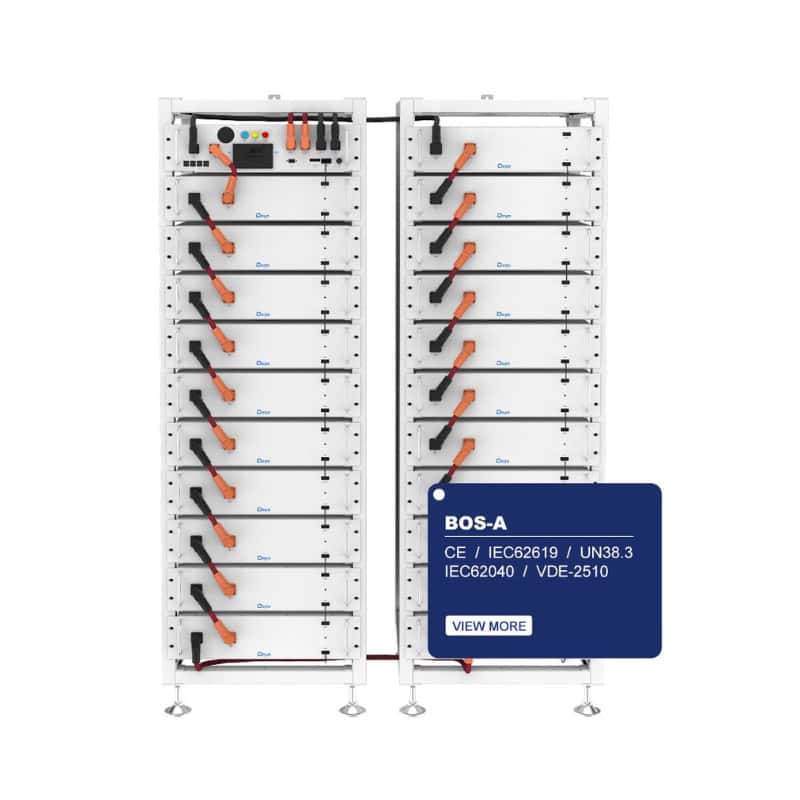
Solar batteries are gaining attention fast.
They promise backup power and energy freedom.
However, many people ask a surprising question.
Can you use solar batteries without panels?
At first, it sounds confusing.
After all, solar batteries and panels seem inseparable.
However, the answer is more flexible than expected.
In fact, many households already use batteries alone.
Let’s explore how this works.
More importantly, let’s see when it makes sense.
What Are Solar Batteries, Really?
Solar batteries store electricity.
They do not generate power themselves.
Instead, they hold energy for later use.
Usually, that energy comes from solar panels.
However, panels are not the only source.
In addition, batteries can charge from the grid.
Therefore, the name “solar battery” can mislead.
It simply means the battery can store solar energy.
Can You Use Solar Batteries Without Panels?
Yes, you can.
Solar batteries work without solar panels.
They just need a power source to charge.
For instance, the electrical grid can charge them.
Similarly, generators can also supply power.
As a result, batteries still provide backup energy.
However, there are trade-offs.
You lose some solar-specific benefits.
Therefore, understanding use cases matters.
How Solar Batteries Work Without Panels
Without panels, batteries act like storage tanks.
They fill up from external electricity sources.
Later, they discharge power when needed.
Common Charging Sources
- Utility grid electricity
- Backup generators
- Off-peak electricity programs
- Time-of-use charging plans
In short, batteries store energy first.
Then, they release it during demand.
Why Would Someone Use Solar Batteries Alone?
This setup suits specific situations.
It is not pointless or unusual.
In fact, many urban homes use it.
Popular Reasons Include
- Frequent power outages
- Expensive peak electricity rates
- Grid instability concerns
- Temporary energy solutions
For example, homeowners use batteries during blackouts.
Meanwhile, renters may avoid installing panels.
Grid-Charged Solar Batteries Explained
Grid-charged batteries are common.
They charge during low-cost hours.
Later, they discharge during peak pricing.
This method is called load shifting.
It helps reduce electricity bills.
In addition, it lowers grid strain.
However, savings depend on pricing plans.
Therefore, time-of-use rates matter greatly.
Backup Power Without Solar Panels
Backup power is a major benefit.
Solar batteries provide silent energy.
They activate instantly during outages.
Compared to generators, batteries are cleaner.
They produce no fumes or noise.
Additionally, they work indoors safely.
However, capacity is limited.
Long outages may drain batteries fully.
Therefore, energy management becomes important.
Types of Solar Batteries You Can Use Alone
Not all batteries are equal.
Some work better without panels.
Common Battery Types
- Lithium-ion batteries
- Lithium iron phosphate batteries
- Lead-acid batteries
- Flow batteries (less common)
Lithium-based batteries dominate the market.
They charge efficiently from the grid.
They also last longer overall.
Advantages of Using Solar Batteries Without Panels
There are clear benefits.
They appeal to specific users.
Key Advantages
- Backup power reliability
- Lower peak electricity costs
- Quiet operation
- Easy indoor installation
- No roof modifications required
Additionally, installation is faster.
Permits are often simpler too.
Limitations and Drawbacks to Consider
However, there are downsides.
It is not a perfect solution.
Main Limitations
- No free solar energy
- Dependence on grid electricity
- Reduced environmental benefits
- Limited long-term savings
In contrast, solar panels generate power daily.
Without panels, energy still costs money.
Therefore, financial returns are lower.
Safety Considerations and Best Practices
Safety always comes first.
Improper setup can cause issues.
Important Safety Tips
- Use certified installers
- Ensure proper ventilation
- Avoid overloading circuits
- Monitor battery health regularly
- Follow manufacturer guidelines
Additionally, software updates matter.
They improve performance and safety.
Real-Life Example Scenario
Imagine a city apartment.
The roof is not accessible.
Solar panels are not allowed.
However, power outages are frequent.
Electricity prices spike in evenings.
A battery charges overnight cheaply.
During outages, lights stay on.
During peaks, grid use drops.
As a result, comfort improves significantly.
Comparing Batteries With and Without Panels
Let’s compare quickly.
With Solar Panels
- Free renewable energy
- Lower long-term costs
- Reduced carbon footprint
- Greater energy independence
Without Solar Panels
- Faster installation
- No roof requirements
- Backup power only
- Limited savings potential
Each option fits different needs.
When Does It Make Sense to Skip Panels?
Skipping panels makes sense sometimes.
Context matters more than trends.
Good situations include:
- Apartments or rentals
- Shaded properties
- Temporary homes
- Backup-only needs
- High installation restrictions
However, long-term homeowners benefit more from panels.
Therefore, future plans should guide decisions.
Can You Add Panels Later?
Yes, most systems allow expansion.
You can start with batteries only.
Later, solar panels can be added.
This approach spreads costs over time.
It also allows gradual energy upgrades.
In addition, technology may improve later.
Planning ahead ensures compatibility.
Environmental Impact Without Solar Panels
Without panels, impact is mixed.
Batteries alone do not reduce generation emissions.
They simply shift energy usage timing.
However, grid energy may include renewables.
Therefore, some indirect benefits exist.
Still, panels offer stronger environmental gains.
Conclusion
So, can you use solar batteries without panels?
Yes, absolutely.
They work as energy storage systems.
They provide backup power and cost control.
However, they do not generate electricity.
Therefore, benefits are more limited.
Choosing this setup depends on your goals.
Final Thought
Solar batteries are flexible tools.
They adapt to many living situations.
In short, start where you can.
You can always grow your system later.