Solar energy continues to grow at a fast pace. Many homeowners and businesses want clean power, lower bills, and long-term savings. Because of this, choosing the right type of solar panel has become very important. Today, the two most common panel types are bifacial and monofacial panels. At first, they may look similar. However, they have major differences that affect performance, cost, and installation.
In this article, you will learn the main differences between bifacial and monofacial panels. In addition, you will see examples, advantages, disadvantages, and important factors to consider. Furthermore, you will get simple explanations so you can make a confident decision. Above all, this guide will help you choose the right panel for your home or business.
What Are Monofacial Solar Panels?
Monofacial panels are the most common type of solar panel used today. They have been around for many years and are widely used in homes, offices, and large solar farms.
How They Work
- They absorb sunlight from one side only.
- The front side faces the sun and turns sunlight into electricity.
- The back side usually has a reflective or protective layer.
Key Features
- Simple design
- Lower price
- Easy installation
- Proven technology
Where They Are Used
- Rooftops
- Residential homes
- Commercial buildings
- Standard ground-mount systems
In short, monofacial panels are reliable and cost-friendly. They work well in most everyday situations.
What Are Bifacial Solar Panels?
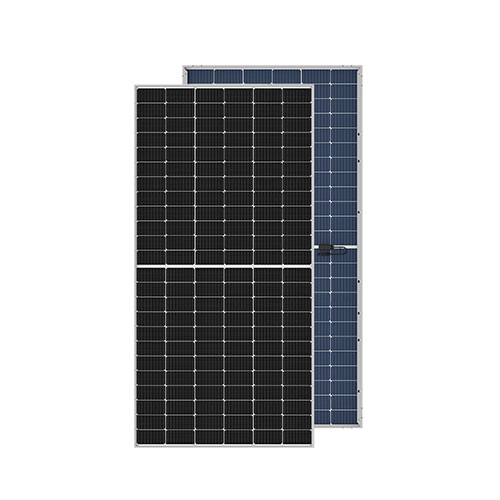
Bifacial panels are newer in the solar market. They can capture light from both the front and back sides, which sets them apart from monofacial panels.
How They Work
- The front side captures direct sunlight.
- The back side captures reflected or scattered light.
- As a result, they can produce more electricity.
Key Features
- Glass on both sides or glass on one side and a clear backsheet
- Higher efficiency
- Longer durability in many cases
- Stylish, modern look
Where They Are Used
- Solar farms
- Carports
- Open-space installations
- High-albedo areas (surfaces that reflect more light)
For instance, installing them over white gravel, sand, or snow can boost their performance.
Key Differences Between Bifacial and Monofacial Panels
Now, let’s look at the major differences. These points will help you compare performance, cost, design, installation, and long-term value.
1. Energy Production
Monofacial Panels
- Capture sunlight from one side only.
- Energy production depends mostly on the angle and amount of sunlight.
Bifacial Panels
- Capture light from both sides.
- Can produce 5% to 30% more energy, depending on location and surface.
- Therefore, they are ideal for open spaces and bright environments.
In contrast, monofacial panels may not reach such high output levels.
2. Efficiency
Monofacial Panels
- Standard efficiency ranges between 17% and 20%.
- Reliable but limited by one-sided light absorption.
Bifacial Panels
- Often reach higher efficiency levels.
- Better performance in low light conditions.
As a result, bifacial panels can offer more energy in the same area. Also, they maintain stable output over time.
3. Design and Appearance
Monofacial Panels
- Opaque backsheet (white, black, or blue).
- Traditional look.
Bifacial Panels
- Transparent backsheet or dual-glass design.
- Sleek, modern appearance.
For example, many architects prefer bifacial panels for solar carports or large commercial buildings because they look more elegant.
4. Installation Setup
Monofacial Panels
- Easy and flexible installation.
- Work well on most rooftops.
- Do not need special mounting systems.
Bifacial Panels
- Work best when elevated from the ground.
- Require more open space to allow light to reach the back side.
- On the other hand, they may not be ideal for typical residential rooftops.
In particular, shaded areas reduce their performance.
5. Cost
Monofacial Panels
- Usually cheaper than bifacial panels.
- Lower upfront investment.
Bifacial Panels
- Higher initial cost due to advanced design.
- However, the extra energy production can offset the cost over time.
- Consequently, the long-term return on investment may be better.
6. Durability and Lifespan
Monofacial Panels
- Strong and reliable.
- Long lifespan of 25 years or more.
Bifacial Panels
- Dual-glass design can offer extra strength.
- Better resistance to UV, moisture, and heat in some cases.
- Therefore, they may last even longer.
7. Ideal Use Cases
Understanding where each type performs best can help you choose wisely.
Monofacial Panels Are Best For:
- Homes
- Small businesses
- Low-budget projects
- Standard rooftops
- Areas with limited space
Bifacial Panels Are Best For:
- Solar farms
- Commercial installations
- Carports
- Ground-mounted systems
- High-albedo surfaces
For instance, bifacial panels over concrete or snow can generate much more energy.
Pros and Cons of Each Type
Monofacial Panels
Pros
- Lower cost
- Easy installation
- Widely available
- Good for rooftops
Cons
- Lower energy production
- Only one side absorbs sunlight
- Less effective in shaded areas
Bifacial Panels
Pros
- Higher power output
- Two-sided light capture
- More durable in many cases
- Better long-term returns
Cons
- Higher upfront cost
- Needs special mounting
- Not ideal for many rooftops
Which One Should You Choose?
Choosing between bifacial and monofacial panels depends on several factors. Let’s break them down.
1. Your Budget
If you want a cost-effective option, monofacial panels are great.
If you want maximum performance and long-term gains, bifacial panels may be better.
2. Your Installation Area
If your home has a typical roof, monofacial panels make more sense.
If you have open land or a commercial site, bifacial panels can shine.
3. Your Energy Goals
If you need the highest possible output, choose bifacial panels.
If you only need standard performance, monofacial panels work well.
4. Your Climate and Surface Type
Bright surfaces like snow, white tiles, or concrete help bifacial panels perform better.
In contrast, dark roofs do not reflect enough light to benefit them.
Conclusion
Monofacial and bifacial solar panels each have clear advantages. Monofacial panels are simple, affordable, and ideal for most homes. On the other hand, bifacial panels offer higher energy production, greater efficiency, and long-term value. In contrast, they may cost more upfront and need specific installation conditions.
In short, the right choice depends on your budget, site conditions, and goals.
Final Thought
Above all, remember that both panel types can help you reduce energy bills and support a cleaner planet. What matters most is choosing the option that fits your space and your long-term needs. Finally, consider getting a professional solar assessment to make the best decision.