Solar energy is booming. More homeowners are choosing clean power. The promise is simple: lower bills, more independence, and a smaller carbon footprint. However, installing solar is not always simple. Many people rush the process. Others trust the wrong installer. Some underestimate their needs. Consequently, these mistakes lead to wasted money, weak performance, and serious frustration.
This guide breaks down the most common mistakes people make when installing solar panels. It also explains how to avoid them. Each point is practical, clear, and based on real installation issues. Above all, it helps you make smart choices before you invest in solar
Understanding Why Mistakes Happen
Many solar mistakes come from excitement. People see the benefits and jump in fast. However, solar is a long-term investment. You need planning. You need assessment. You need realistic expectations. When these steps are rushed, problems appear later—sometimes years later.
Mistake #1: Ignoring Roof Condition
Many homeowners focus on panel prices. However, they forget to check the condition of their roof. A weak or aging roof becomes a major problem later.
Why This Matters
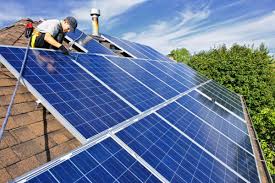
Panels stay on your roof for 25–30 years. If your roof needs repair, you will pay more to remove and reinstall the panels later.
Signs Your Roof Needs Work First
- Cracked or curling shingles
- Water leaks or stains inside
- Sagging or soft areas
- Roof near the end of its lifespan
Best Practice
Repair or replace your roof first. In addition, ask a roofing professional to confirm load capacity. This prevents future costs and protects your investment.
Mistake #2: Choosing the Wrong System Size
In many cases, people guess how many panels they need. They also rely solely on installer sales pitches. As a result, they end up with an oversized or undersized system.
Oversized Systems Waste Money
You spend more upfront than necessary. You also generate power you cannot use.
Undersized Systems Cause Frustration
Your bills stay high. You fail to meet your energy goals.
How to Size a System Correctly
- Review 12 months of utility bills
- Identify seasonal energy spikes
- Consider future needs (EV chargers, heat pumps, etc.)
- Use a professional load calculation
In short, accurate sizing is essential for strong performance.
Mistake #3: Poor Panel Placement
Panel placement is more important than many people think. Panel direction, angle, and shading all impact energy output.
Common Placement Errors
- Installing panels on a shaded roof
- Poor orientation (east/west when south-facing works best)
- Wrong tilt angle for your region
- Cluttered panel layout that lowers efficiency
How to Improve Placement
For instance, aim for a south-facing angle between 30–40 degrees. Also, avoid chimneys, trees, and other shade sources. Meanwhile, advanced tools like solar mapping apps help identify ideal spots.
Mistake #4: Overlooking Local Permits and Regulations
Solar power rules vary by region. Some people skip research and face delays.
What Can Go Wrong
- Permit rejections
- Fines for unapproved installations
- Delayed grid connection
- Insurance complications
Best Practices
- Check city building codes
- Ask your utility about interconnection rules
- Confirm zoning requirements
- Get all documents before installation day
Following local rules ensures a safe and legal setup.
Mistake #5: Not Checking Installer Credentials
Many companies install solar panels. However, not all have proper training or certifications. Choosing a poor installer leads to long-term issues.
What to Look For
- Licensed and insured professionals
- Experience with your roof type
- NABCEP certification (or similar qualification)
- Solid reviews and references
Red Flags
- Very low pricing
- No warranty
- High-pressure sales tactics
- Vague answers to technical questions
Quality installation reduces risk and protects your system for decades.
Mistake #6: Skipping an Energy Efficiency Check
Solar panels are powerful. However, they work best with an efficient home. Many people skip this step and need far more panels than necessary.
Simple Efficiency Upgrades
- Seal leaks around windows
- Upgrade to LED lighting
- Improve insulation
- Use smart thermostats
These steps lower your energy use. Consequently, you need fewer panels. This saves money upfront and long-term.
Mistake #7: Assuming All Equipment Is the Same
Solar panels look similar. In contrast, performance varies greatly. Some people choose the cheapest options, and they regret it later.
Types of Equipment to Compare
- Solar panels: monocrystalline vs. polycrystalline
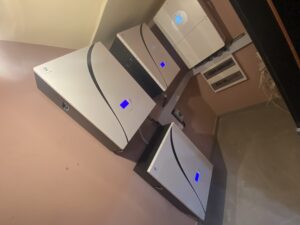
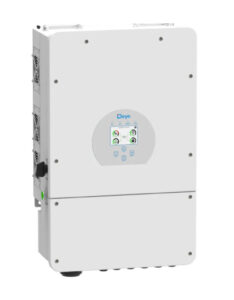
- Inverters: string, microinverters, power optimizers
- Mounting systems: roof-specific options
- Batteries: lithium-ion vs. lead-acid
Why Quality Matters
High-quality parts last longer. They also perform better in extreme weather. Additionally, strong warranties protect your investment.
Mistake #8: Misunderstanding Solar Incentives
Solar incentives lower costs. However, many people assume they qualify for every credit or rebate. This creates financial surprises.
Common Confusions
- Thinking incentives apply automatically
- Missing deadlines
- Misreading tax credit requirements
- Assuming rebates stack together
How to Stay Informed
Ask your installer for a detailed incentive breakdown. Also, check updated government websites. These programs change often, so review them carefully.
Mistake #9: Forgetting About Maintenance
Solar panels require little maintenance. However, they still need basic care.
Common Maintenance Mistakes
- Never cleaning panels
- Ignoring inverter warnings
- Letting trees grow and block sunlight
- Skipping annual inspections
Simple Maintenance Tips
- Clean panels twice a year
- Remove leaves, branches, and debris
- Check production levels monthly
- Schedule professional service yearly
Regular care keeps your system efficient and reliable.
Mistake #10: Assuming Off-Grid and Grid-Tied Are the Same
Many homeowners confuse these systems. They assume going solar means disconnecting from the grid. However, most installations are grid-tied.
Grid-Tied Systems
- Use utility power when needed
- Offer net metering benefits
- Require less battery storage
Off-Grid Systems
- Depend on batteries
- Require backup generators
- Need larger system sizes
Understanding the difference helps you plan correctly.
Mistake #11: DIY Installation Without Experience
DIY solar seems appealing. For instance, kits look simple. Videos make installation look easy. However, solar electrical systems are complex and dangerous.
Risks of DIY Installation
- Electrical hazards
- Fire risks
- Incorrect wiring
- Roof leaks
- Voided warranties
- Failed inspections
When DIY Might Work
Small off-grid setups are fine, such as RVs or cabins. Meanwhile, most homes need licensed professionals.
Mistake #12: Not Planning for Future Energy Needs
Energy use changes over time. Some homeowners forget this. As a result, their solar system becomes too small later.
What to Consider
- Electric vehicles
- Heat pump systems
- Growing families
- Home expansions
Smart Strategy
Add room for expansion. Also, choose an inverter that supports extra panels later.
Conclusion
Installing solar panels is exciting. It offers clean power, lower bills, and long-term benefits. However, many homeowners make avoidable mistakes. Poor placement, weak planning, low-quality parts, and rushed decisions all reduce the system’s value. By understanding these common mistakes people make when installing solar panels, you can protect your investment and enjoy stronger performance for years.
Final Thought
Solar is a big step. Take your time. Ask questions. Compare options. With careful planning, your solar installation becomes a smart, safe, and rewarding upgrade. Let the sun work for you, not against you.