Energy costs keep rising in Nigeria. Power supply remains unstable. As a result, many homes and businesses now turn to solar power. The shift is growing fast because solar offers steady energy with lower long-term costs. However, one big question remains: What is the actual cost of solar panels in Nigeria today?
In this guide, you will find clear answers. You will learn what influences solar pricing, why costs vary, and how to choose the right system. You will also see real examples, helpful tips, and practical steps. By the end, you will understand how to budget wisely and avoid costly mistakes.
Let’s get started.
Understanding the Cost of Solar Panels in Nigeria
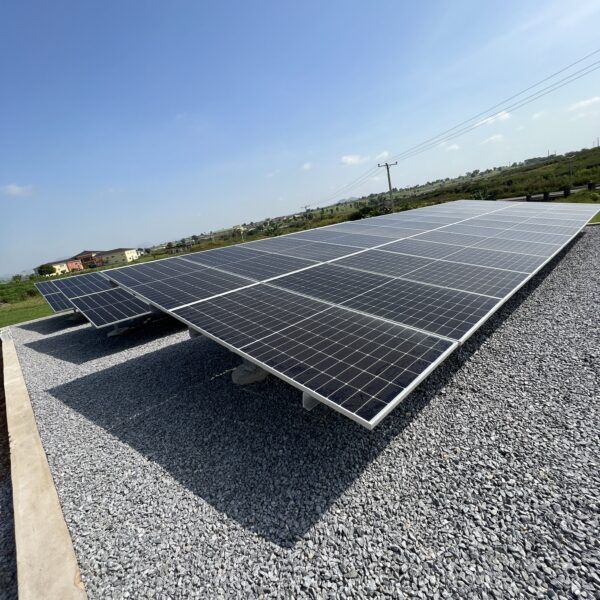
The cost of solar panels in Nigeria depends on many factors. For example, capacity, brand, battery size, installation type, and your energy needs all affect the final price. However, prices remain far more stable now compared to five years ago. In addition, local supply chains have improved, so more Nigerians can access solar technology.
Below is a clear breakdown.
Average Cost of Solar Panels in Nigeria
Solar panel prices vary widely. However, the ranges below show the most common retail prices in Nigeria today (2025 estimates):
- 200W solar panel: ₦45,000 – ₦80,000
- 300W solar panel: ₦65,000 – ₦120,000
- 400W solar panel: ₦90,000 – ₦180,000
- 450–550W monocrystalline panel: ₦120,000 – ₦250,000
These prices cover only the panels. A full solar system requires additional components. Therefore, most homeowners spend more than the panel cost alone.
Cost of Solar System Packages in Nigeria
To better understand the full investment, here are common system sizes with estimated total installation costs:
1. 1kVA Solar System (Basic Home Use)
This small system powers essentials such as lights, fans, phones, routers, and small TVs.
- Estimated cost: ₦350,000 – ₦600,000
- Ideal for:
- Students
- Small apartments
- Backup power users
2. 2kVA Solar System
This system handles more load. For example, you can run energy-efficient appliances for several hours.
- Estimated cost: ₦650,000 – ₦1,200,000
- Ideal for:
- Small homes
- Small shops
- Backup office use
3kVA Solar System
This is one of the most popular sizes in Nigeria today.
- Estimated cost: ₦1,200,000 – ₦2,000,000
- Can power:
- TV
- Fans
- Lights
- Freezer
- Decoders
- Laptops
4kVA – 5kVA Solar System
This system supports larger homes and small businesses.
- Estimated cost: ₦2,000,000 – ₦3,500,000
- Perfect for:
- Family homes
- Small offices
- Mini supermarkets
- Salons
10kVA Solar System
A full home or business solution.
- Estimated cost: ₦6,000,000 – ₦12,000,000
- Can power:
- AC units
- Pumps
- Freezers
- Office equipment
Solar is flexible. Therefore, you can upgrade your system over time as your budget allows.
What Influences the Cost of Solar Panels in Nigeria?
Several factors shape the final cost. Understanding these helps you avoid overspending.
1. Type of Solar Panel
The two main types are:
- Monocrystalline panels
- More efficient
- More durable
- Higher price
- Polycrystalline panels
- Lower efficiency
- Cheaper
- Larger surface area required
In Nigeria today, monocrystalline panels dominate because they produce more power under intense sunlight.
2. Solar Capacity
Panels with higher wattage cost more. However, they offer better value long term because they generate more energy.
3. Brand and Quality
Popular brands such as JA Solar, Canadian Solar, and LONGi are more expensive. However, they last longer and perform better during cloudy weather.
4. Battery Costs
This is the most expensive part of any solar system. Batteries store power for night use. For example:
- 200Ah lithium battery: ₦250,000 – ₦600,000
- 200Ah gel battery: ₦120,000 – ₦200,000
Lithium lasts 5–10 years. Gel batteries last 2–4 years. Therefore, lithium saves more money long term.
5. Inverter Prices
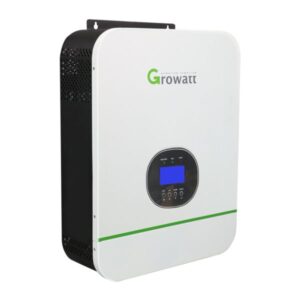
Inverters convert solar energy into usable electricity.
- 1.5kVA inverter: ₦80,000 – ₦180,000
- 3.5kVA inverter: ₦200,000 – ₦350,000
- 5kVA inverter: ₦300,000 – ₦550,000
Pure sine wave models cost more but protect your appliances better.
6. Installation and Wiring
Labour and materials also add to the cost. For example, technicians charge based on:
- Height of installation
- Cable length
- Safety gear
- Difficulty of roof access
Most installation fees range from ₦30,000 – ₦150,000.
Benefits of Going Solar in Nigeria
Switching to solar power offers many advantages, especially in Nigeria’s hot climate. Below are the most common benefits.
1. Lower Electricity Bills
Solar reduces your monthly bills. For example, a family using 3kVA solar may save up to ₦20,000 each month.
2. Stable Power
No more sudden power cuts. Solar works during the day and uses battery power at night.
3. Long-Term Savings
Initial costs may seem high. However, solar pays for itself after 2–4 years.
4. Quiet Energy
Unlike generators, solar systems run silently.
5. Low Maintenance
Panels require little care. In addition, cleaning them once a month keeps them efficient.
6. Eco-Friendly
Solar reduces carbon emissions. Above all, it promotes clean, renewable energy.
Practical Example: How Much a Typical Nigerian Home Spends
Consider a family of five in Abuja. They want to power:
- Lights
- Two fans
- One fridge
- TV and decoder
- Router
- Phone and laptop chargers
A 3kVA solar system works well here.
Typical breakdown:
- 4 × 450W solar panels = ₦500,000 – ₦900,000
- 1 × 3.5kVA inverter = ₦250,000 – ₦350,000
- 2 × 200Ah lithium batteries = ₦500,000 – ₦1,200,000
- Installation and wiring = ₦50,000 – ₦120,000
Total estimate: ₦1,300,000 – ₦2,500,000
This gives them steady power all day and night for basic appliances.
Tips for Reducing the Cost of Solar Panels in Nigeria
You can save money with the right approach. Below are helpful tips.
1. Start Small
Begin with a basic system. Later, add panels or batteries.
2. Use Energy-Efficient Appliances
For example:
- Inverter freezers
- LED bulbs
- DC fans
These reduce your daily load.
3. Buy from Trusted Dealers
Fake panels are common. Always check:
- Warranty
- Brand seal
- Customer reviews
4. Ask for Multiple Quotes
Compare at least three installers before choosing one.
5. Maintain Your System
Clean panels monthly. Also, avoid overloading your batteries.
6. Choose Lithium Batteries
They cost more now but save money long term.
Common Mistakes People Make When Buying Solar Panels
Avoid these errors to protect your investment.
- Buying panels without checking compatibility
- Choosing cheap inverters that fail quickly
- Ignoring the roof direction
- Using undersized cables
- Overloading the system
- Skipping professional installation
A good solar setup lasts 10–25 years. Therefore, poor planning can cost you more.
How to Choose the Right Solar System for Your Home
Use the steps below to make the right choice.
Step 1: List Your Appliances
Write down everything you want to power.
Step 2: Check the Wattage
Add the watt ratings. This helps you calculate your load.
Step 3: Choose the Right Inverter Size
Your inverter should be slightly higher than your load.
Step 4: Select the Correct Battery Bank
Your batteries determine how long your power lasts.
Step 5: Choose High-Quality Panels
Monocrystalline panels perform best in Nigeria.
Step 6: Hire a Certified Installer
This ensures safety and better system performance.
Conclusion
Solar power is no longer a luxury in Nigeria. It is now a practical and affordable solution for many homes and businesses. Furthermore, the cost of solar panels in Nigeria continues to drop as technology improves. As a result, more people now move away from fuel generators.
With the right planning, you can enjoy stable power, lower bills, and long-term comfort. Just remember: choose quality, avoid shortcuts, and always work with trained installers.
Final Thought
Solar energy is an investment in your peace of mind. Therefore, take your time, assess your needs, and make the switch confidently. Clean, stable power is now within your reach.