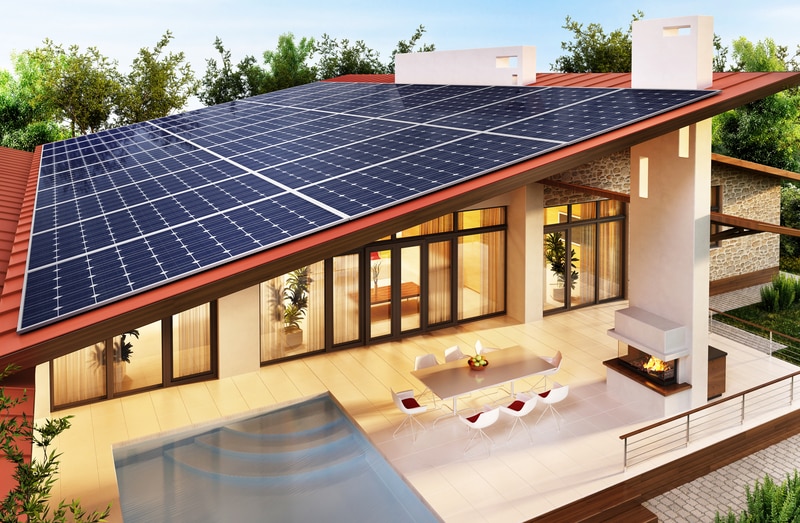
Electricity powers modern life. Homes rely on it daily. Lights, fans, TVs, and refrigerators need constant energy. However, many areas experience unreliable grid supply. As a result, homeowners are turning to solar power.
Solar panels generate electricity from sunlight. Yet sunlight is not available all day. Therefore, batteries become important. They store solar energy for later use.
This raises a common question: Can solar batteries power homes 24/7? The answer is yes, but it depends on several factors. System size, battery capacity, and energy usage all matter. In this guide, we explain how solar batteries work and how they can provide round-the-clock electricity.
Understanding Solar Batteries
Solar batteries store electricity produced by solar panels. During the day, solar panels often generate more power than the home uses. Instead of wasting this extra energy, batteries store it.
Later, when sunlight disappears, the stored energy powers the home.
A typical solar battery system includes:
- Solar panels
- Charge controller
- Inverter
- Battery bank
- Electrical loads
First, the panels capture sunlight. Next, the charge controller regulates voltage. Then the battery stores excess power. Finally, the inverter converts stored energy into usable electricity.
Consequently, homes can continue running even at night.
How Solar Batteries Support 24/7 Power
Solar batteries play a key role in continuous electricity supply.
During the day, solar panels power the house directly. Meanwhile, extra electricity charges the batteries.
At night, the system switches automatically. The battery then supplies energy to the home.
Therefore, the combination of solar panels and batteries creates a reliable cycle:
- Solar panels produce power during daylight.
- Excess energy charges the batteries.
- Batteries provide electricity after sunset.
- The process repeats every day.
With proper design, this cycle can support 24/7 home power.
Key Factors That Determine 24/7 Solar Power
Although solar batteries can power homes continuously, several factors influence success.
1. Battery Capacity
Battery capacity determines how much energy is stored.
Large homes need larger battery banks. Small homes need less storage.
For example:
- A small home may need 5–10 kWh storage.
- A medium home may need 10–20 kWh.
- Larger homes may need even more.
Consequently, the right battery size is essential for uninterrupted electricity.
2. Solar Panel Size
Solar panels must generate enough power daily.
If the panels produce too little energy, the batteries will not fully charge. As a result, nighttime power becomes limited.
Therefore, installers usually size panels based on:
- Daily energy usage
- Sunlight availability
- Battery capacity
Adequate solar production ensures reliable charging.
3. Energy Consumption
Energy usage greatly affects battery performance.
Homes with heavy appliances drain batteries faster.
High consumption appliances include:
- Air conditioners
- Electric heaters
- Washing machines
- Water pumps
Meanwhile, energy-efficient homes use less power. Consequently, batteries last longer overnight.
4. Sunlight Availability
Solar energy depends on sunlight.
Regions with strong sunlight generate more power. Nigeria, for instance, receives good solar radiation.
However, cloudy days may reduce production. Therefore, systems often include extra battery storage to handle these situations.
Types of Solar Batteries for 24/7 Power
Not all batteries perform the same. Some are better suited for continuous power.
Lithium-Ion Batteries
Lithium batteries are the most popular today.
Advantages include:
- Long lifespan
- High efficiency
- Deep discharge capability
- Minimal maintenance
Additionally, lithium batteries recharge quickly. This makes them ideal for daily solar use.
Lead-Acid Batteries
Lead-acid batteries are older technology. They are still widely used due to lower cost.
However, they have some limitations:
- Shorter lifespan
- Limited discharge depth
- More maintenance required
For small systems, they may still work well.
Gel and AGM Batteries
These are sealed lead-acid batteries.
Benefits include:
- Low maintenance
- Safer indoor use
- Moderate lifespan
However, they still cannot match lithium batteries in performance.
Advantages of 24/7 Solar Battery Power
Continuous solar power offers several benefits.
Energy Independence
Homeowners gain freedom from unreliable grid supply. Power remains available day and night.
Lower Electricity Costs
Once installed, solar energy reduces electricity bills. Additionally, generator fuel costs decrease.
Quiet and Clean Energy
Solar batteries operate silently. Unlike generators, they produce no fumes or noise.
Reliable Backup Power
Even during outages, homes remain powered. Critical devices continue running.
Example of a 24/7 Solar Home
Consider a family home using solar energy. The system includes solar panels and a lithium battery bank.
During the day, sunlight powers appliances and charges the batteries. Meanwhile, the family runs lights, fans, and electronics.
At night, stored energy supplies the home. The system automatically switches to battery mode.
The next morning, solar panels recharge the batteries again.
Consequently, the home enjoys continuous electricity without grid dependence.
Tips to Ensure Solar Batteries Power Homes 24/7
Achieving reliable solar power requires proper planning.
Follow these tips:
- Install enough solar panels
- Choose high-quality batteries
- Monitor energy usage
- Use energy-efficient appliances
- Maintain proper ventilation for batteries
Additionally, work with experienced solar installers.
Proper system design makes a huge difference.
Common Challenges
Although solar batteries are effective, some challenges exist.
These include:
- High initial installation cost
- Battery replacement after several years
- Reduced output during long cloudy periods
However, technology improvements are reducing these challenges over time.
The Future of Solar Battery Power
Solar technology continues improving worldwide. Battery storage systems are becoming more efficient.
Meanwhile, prices are gradually decreasing. This makes solar energy more accessible.
As a result, more homes are moving toward full solar independence.
In the coming years, 24/7 solar power may become the standard for many households.
Conclusion
So, can solar batteries power homes 24/7? Yes, they can. However, the system must be designed properly.
Solar panels must generate enough energy. Batteries must store sufficient power. Energy consumption must also be managed wisely.
When these factors align, solar batteries provide reliable day-and-night electricity.
For many homeowners, this means freedom from outages and rising energy costs.
Final Thought
Solar energy is more than a backup solution. It can become your primary power source. With the right battery system, your home can enjoy clean, reliable electricity every hour of the day.
