
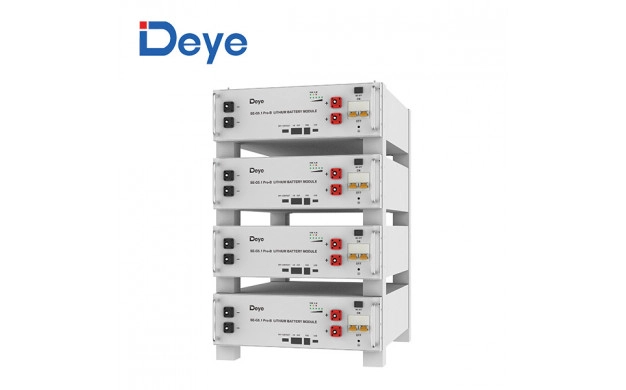
Installing a battery system is a smart move. It gives you backup power. It also lowers energy bills. However, proper installation matters most. A poor setup can cause damage or safety risks.
This indoor and outdoor battery installation guide will walk you through everything. You will learn the differences between indoor and outdoor systems. In addition, you will understand safety steps, tools, and best practices. By the end, you will feel more confident about your battery setup.
Why Proper Battery Installation Matters
Battery systems store energy. They often work with solar panels. For example, many homeowners use them with rooftop solar arrays. Meanwhile, others install them for backup during power outages.
A proper installation ensures:
- Safe operation
- Longer battery life
- Better efficiency
- Compliance with local codes
- Protection from fire hazards
On the other hand, poor installation can lead to overheating. It may also cause short circuits. Therefore, planning is essential.
Types of Battery Systems
Before starting, you must know your battery type. Different batteries require different care.
1. Lithium-Ion Batteries
These are popular today. For instance, many home systems use lithium-ion technology.
Benefits:
- Lightweight
- Long lifespan
- High efficiency
- Low maintenance
However, they require proper ventilation. They also need battery management systems (BMS).
2. Lead-Acid Batteries
These are older but still common.
Advantages:
- Lower upfront cost
- Widely available
In contrast, they are heavier. They also require more maintenance.
3. Flow Batteries
These are less common for homes. However, they are used in larger setups.
They offer:
- Long cycle life
- Scalable storage
Meanwhile, installation is more complex.
Indoor Battery Installation Guide
Indoor installations are common in garages or utility rooms. However, location choice is critical.
Choosing the Right Location
Pick a space that is:
- Dry
- Well-ventilated
- Away from direct sunlight
- Clear of flammable materials
For example, a garage wall is often ideal. Meanwhile, basements can work if moisture is controlled.
Step-by-Step Indoor Installation
- Check Local Codes
First, review building regulations. In addition, confirm electrical permits if required. - Prepare the Mounting Area
Install a sturdy wall mount or rack. Make sure it supports the battery weight. - Install the Battery Management System (BMS)
This system protects the battery. It monitors temperature and voltage. - Connect to Inverter
The inverter converts DC to AC power. Ensure wiring is correct and secure. - Ground the System
Proper grounding prevents electrical shock. - Test the System
Finally, power on and check performance indicators.
Indoor Safety Tips
- Keep batteries away from heat sources.
- Install smoke detectors nearby.
- Maintain proper ventilation.
- Label all wiring clearly.
Above all, never overload circuits.
Outdoor Battery Installation Guide
Outdoor installations are ideal when indoor space is limited. However, weather protection becomes essential.
Selecting an Outdoor Location
Choose a location that is:
- Elevated from ground level
- Protected from flooding
- Shaded when possible
- Close to your main electrical panel
For instance, mounting on an exterior wall works well. Similarly, a dedicated weatherproof cabinet is effective.
Weatherproofing Requirements
Outdoor battery storage systems must handle:
- Rain
- Snow
- Extreme heat
- Dust
Therefore, use enclosures with proper IP ratings. In addition, seal cable entry points to prevent moisture.
Step-by-Step Outdoor Installation
- Install a Weatherproof Enclosure
Use a certified cabinet rated for outdoor use. - Secure the Battery Firmly
Strong mounting prevents movement in wind or storms. - Ensure Adequate Ventilation
Even outdoors, airflow matters. - Connect to Solar Panels and Inverter
Keep cable runs short. This reduces energy loss. - Install Surge Protection
Outdoor systems are more exposed to lightning. - Test and Monitor
Finally, inspect for any exposed wires or loose fittings.
Indoor vs Outdoor Battery Installation
Both setups have benefits. However, your choice depends on space and climate.
Indoor Installation Advantages
- Protected from harsh weather
- Easier maintenance
- Stable temperatures
Outdoor Installation Advantages
- Saves indoor space
- Lower indoor heat buildup
- Flexible placement options
In contrast, outdoor systems need stronger enclosures. Meanwhile, indoor systems require strict ventilation control.
Tools and Components Needed
Before starting, gather essential equipment.
Basic Tools:
- Screwdrivers
- Drill and anchors
- Voltage tester
- Insulated gloves
- Wire strippers
Key Components:
- Battery unit
- Inverter
- Battery Management System
- Mounting brackets
- Electrical cables
- Circuit breakers
Using proper tools improves safety. Consequently, it reduces installation errors.
Common Mistakes to Avoid
Even small errors matter.
Avoid these mistakes:
- Installing near water sources
- Ignoring ventilation requirements
- Mixing incompatible battery types
- Skipping grounding
- Using undersized cables
For example, thin cables can overheat. As a result, fire risk increases.
Maintenance After Installation
Installation is just the beginning.
Regular maintenance includes:
- Checking battery charge levels
- Inspecting wiring connections
- Cleaning dust or debris
- Monitoring system alerts
In addition, schedule professional inspections annually. This ensures long-term reliability.
Real-Life Scenario
Imagine a homeowner with solar panels. They install a lithium-ion battery indoors in their garage. Initially, everything works well. However, ventilation is poor. Over time, heat builds up. Consequently, battery performance drops.
Now consider another homeowner. They install the battery in a weatherproof outdoor cabinet. In addition, they ensure shading and surge protection. As a result, the system performs reliably for years.
Small planning differences create big results.
When to Hire a Professional
DIY installation can save money. However, it is not always recommended.
Hire a professional if:
- You lack electrical experience
- Local codes require certified installers
- The system exceeds 10 kWh
- You are integrating with solar panels
Professional installation ensures compliance and safety.
Conclusion
This indoor and outdoor battery installation guide shows that planning is essential. The right location matters. Proper ventilation is critical. In addition, safe wiring ensures long-term reliability.
Indoor systems offer protection and easy access. Meanwhile, outdoor systems save space and reduce indoor heat. However, both require careful setup and safety precautions.
Above all, never compromise on safety. A well-installed battery system provides reliable backup power. It also supports energy independence for years to come.
Final Thought
Energy storage is the future. Therefore, take time to install your system correctly. Plan carefully. Follow safety standards. If needed, consult a professional. Your battery system should power your home — not create problems.
