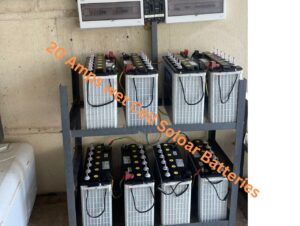
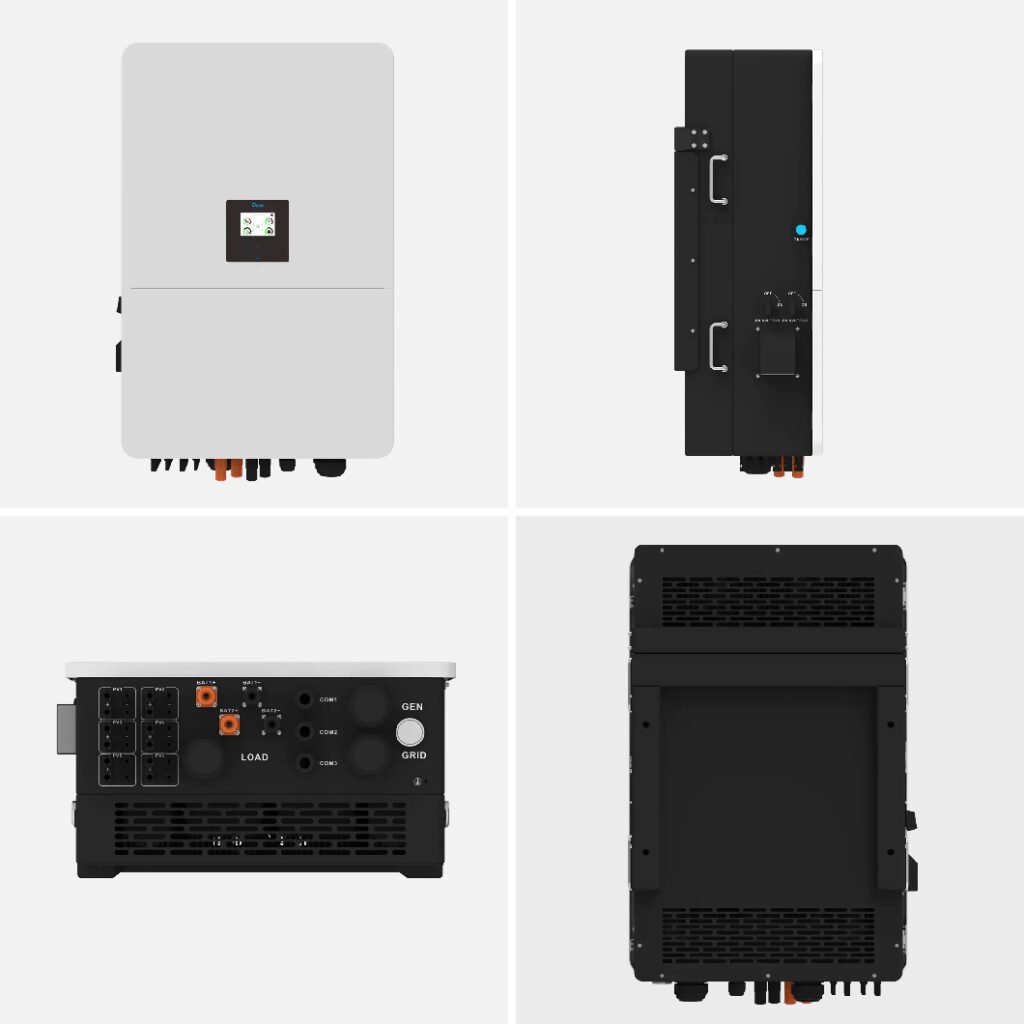
Solar power is a smart investment. Many homes and businesses now rely on it daily. However, one common question people ask is simple: How long do solar inverters last?
The inverter is one of the most important parts of a solar system. It converts solar energy into usable electricity. Therefore, its lifespan directly affects system performance.
Understanding How Long Solar Inverters Last helps you plan maintenance, avoid surprises, and protect your investment. In this guide, we explain inverter lifespan, factors that affect it, and how to make it last longer.
What Is a Solar Inverter?
A solar inverter is the device that converts electricity. Solar panels produce direct current (DC) power. However, homes use alternating current (AC) power.
The inverter changes DC into AC. As a result, your appliances can run on solar energy.
In addition, modern inverters also:
- Monitor system performance
- Manage battery charging
- Protect against electrical faults
- Control energy flow
Because of these roles, the inverter works continuously. Therefore, it experiences wear over time.
Average Lifespan of Solar Inverters
The lifespan of a solar inverter depends on its type and usage.
On average:
- String inverters: 10 to 15 years
- Hybrid inverters: 10 to 15 years
- Microinverters: 20 to 25 years
- Off-grid inverters: 8 to 15 years
Meanwhile, solar panels can last 25 years or more. Therefore, you may need to replace the inverter at least once during the system’s lifetime.
Why Solar Inverters Do Not Last Forever
Solar inverters contain electronic components. These parts naturally degrade over time.
Common reasons for wear include:
- Continuous operation
- Heat exposure
- Electrical stress
- Environmental conditions
For example, high temperatures can damage internal circuits. As a result, the inverter may lose efficiency or fail earlier than expected.
Key Factors That Affect Inverter Lifespan
Several factors influence How Long Solar Inverters Last. Understanding them helps you extend their life.
1. Temperature and Environment
Heat is one of the biggest enemies of inverters.
If installed in hot or poorly ventilated areas, the inverter may overheat.
Therefore:
- Install in a shaded location
- Ensure proper airflow
- Avoid enclosed spaces
Cool environments help inverters last longer.
2. Quality of the Inverter
Not all inverters are the same.
High-quality brands use better components. As a result, they last longer and perform better.
Cheaper inverters may fail earlier. Therefore, investing in quality products is important.
3. Installation Quality
Proper installation plays a major role.
Poor wiring or incorrect setup can cause:
- Electrical faults
- Voltage issues
- System inefficiency
Working with experienced installers ensures correct installation.
4. Usage and Load
Heavy usage can reduce inverter lifespan.
For example, running too many appliances can overload the inverter.
Therefore, always choose the right inverter size for your system.
5. Maintenance Practices
Regular maintenance improves inverter lifespan.
Simple checks can prevent serious problems.
Maintenance includes:
- Cleaning dust from vents
- Checking system performance
- Inspecting connections
As a result, small issues are fixed before they become major faults.
Signs Your Inverter May Be Aging
Even the best inverters show signs of aging over time.
Watch for these warning signs:
- Reduced energy production
- Frequent error messages
- Overheating issues
- Unusual noises
- System shutdowns
If you notice these signs, the inverter may be nearing the end of its lifespan.
Practical Example
Imagine a small business using solar power daily.
The system has been running for 12 years. Recently, energy production has dropped.
At first, the owner suspects the solar panels. However, after inspection, the inverter is found to be less efficient.
The inverter is replaced. Immediately, system performance improves.
This example shows how inverter lifespan affects overall performance.
How to Make Your Solar Inverter Last Longer
Although inverters have a limited lifespan, proper care can extend their life.
Follow these practical tips:
- Install in a cool, shaded area
- Ensure good ventilation
- Avoid overloading the system
- Clean the inverter regularly
- Monitor performance frequently
- Schedule professional servicing
These steps help improve reliability and performance.
When Should You Replace Your Inverter?
Replacing an inverter at the right time is important.
Do not wait for complete failure. Instead, watch for warning signs.
Consider replacement if:
- The inverter is over 10–15 years old
- Repairs are frequent
- Energy output drops significantly
- Warranty has expired
Upgrading to a newer model can also improve efficiency.
Benefits of Replacing an Old Inverter
Replacing an old inverter offers several advantages.
For example:
- Improved energy efficiency
- Better monitoring features
- Enhanced safety systems
- Compatibility with modern batteries
As a result, your solar system performs better and saves more energy.
Common Myths About Inverter Lifespan
There are several misunderstandings about inverter lifespan.
Let’s clear a few:
- Myth: Inverters last as long as solar panels
Fact: Inverters usually need replacement earlier - Myth: Maintenance is not needed
Fact: Regular checks improve lifespan - Myth: All inverters are the same
Fact: Quality and type affect durability
Understanding these facts helps you make better decisions.
Conclusion
Solar inverters are essential components of any solar system. They convert solar energy into usable electricity and manage system performance.
Understanding How Long Solar Inverters Last helps you plan ahead. Most inverters last between 10 and 15 years, depending on type and usage.
Factors such as temperature, installation quality, and maintenance play a major role in lifespan. Therefore, proper care can extend inverter life and improve performance.
By monitoring your system and acting early, you can avoid costly breakdowns and maintain reliable solar power.
Final Thought
Your inverter works hard every day. Take care of it, and it will serve you well. A little maintenance today can save you big costs tomorrow.