
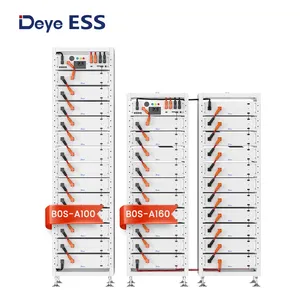
Solar batteries are the heart of any solar power system. They store energy for night use and cloudy days. However, many system owners ignore proper care. As a result, performance drops fast. Repairs become expensive. In some cases, the battery fails completely.
Understanding Solar Battery Maintenance Mistakes to Avoid can save you money and stress. In addition, proper maintenance extends battery lifespan and improves safety. This guide explains common errors, practical tips, and smart habits to keep your solar battery running efficiently.
Why Solar Battery Maintenance Matters
Solar batteries are not cheap. Therefore, protecting your investment is essential. Good maintenance ensures:
- Longer battery lifespan
- Better energy storage capacity
- Improved safety
- Reduced repair costs
- Consistent system performance
On the other hand, poor maintenance leads to overheating, low efficiency, and permanent damage. In short, small mistakes can cause big problems.
Common Solar Battery Maintenance Mistakes to Avoid
Let’s look at the most frequent errors homeowners and businesses make.
1. Ignoring Regular Inspections
Many people install their system and forget it. However, solar batteries need routine checks.
For example, loose terminals can cause sparks. Corrosion can reduce conductivity. Small issues grow quickly if ignored.
What to do instead:
- Inspect batteries monthly
- Check for corrosion or rust
- Tighten loose connections
- Look for swelling or leaks
Regular inspection prevents serious damage. Consequently, you avoid unexpected system failure.
2. Overcharging the Battery
Overcharging is a major problem. It happens when voltage exceeds safe limits. As a result, the battery overheats.
This mistake reduces lifespan drastically. In extreme cases, it can cause fire.
Why it happens:
- Faulty charge controller
- Wrong inverter settings
- Poor system configuration
How to prevent it:
- Use a quality charge controller
- Set correct charging parameters
- Monitor voltage levels regularly
Above all, ensure your inverter settings match the battery manufacturer’s specifications.
3. Deep Discharging Too Often
Deep discharging means draining the battery close to zero. Although some batteries handle this better, frequent deep discharge causes damage.
For instance, lead-acid batteries suffer heavily from deep discharge. Meanwhile, lithium batteries perform better but still have limits.
Best practice:
- Maintain recommended Depth of Discharge (DoD)
- Avoid draining below 20% (unless specified)
- Use monitoring tools to track battery levels
In contrast, balanced charging cycles improve long-term performance.
4. Poor Ventilation
Batteries generate heat. Therefore, airflow is critical. Poor ventilation causes heat buildup.
Heat shortens battery life. Additionally, it increases safety risks.
Avoid this mistake by:
- Installing batteries in a cool area
- Keeping them away from direct sunlight
- Allowing proper spacing between units
- Ensuring airflow around the battery bank
For example, storing batteries in a sealed cabinet without ventilation is risky.
5. Mixing Old and New Batteries
This is a very common mistake. Many users add new batteries to an old bank. However, this creates imbalance.
Old batteries charge and discharge differently. As a result, new batteries wear out faster.
Better approach:
- Replace batteries as a complete set
- Use identical models and capacities
- Follow manufacturer guidelines
Similarly, mixing different brands or technologies leads to inefficiency.
6. Skipping Cleaning and Maintenance
Dust and dirt affect performance. Corroded terminals increase resistance. Consequently, energy transfer becomes inefficient.
Simple cleaning makes a difference.
Cleaning tips:
- Turn off the system first
- Use a dry cloth for dust
- Clean corrosion carefully
- Avoid water contact with electrical parts
In addition, check cables for damage during cleaning.
7. Incorrect Battery Storage
Sometimes batteries are stored before installation. However, improper storage causes early damage.
For example:
- Storing in extreme heat
- Leaving batteries fully discharged
- Keeping them in damp environments
Safe storage practices:
- Store in a cool, dry space
- Keep partial charge (around 50%)
- Check charge level every few months
Proper storage protects battery health long-term.
8. Ignoring Manufacturer Guidelines
Every battery is different. Lithium, AGM, Gel, and flooded lead-acid batteries require unique care.
However, many users assume all batteries work the same way. This assumption leads to costly errors.
Always:
- Read the manual
- Follow charging voltage limits
- Respect recommended temperature range
- Use compatible inverters
In particular, lithium batteries require Battery Management Systems (BMS) for safe operation.
Types of Solar Batteries and Their Maintenance Needs
Understanding battery type helps avoid mistakes.
1. Lead-Acid Batteries
These are common and affordable. However, they require more maintenance.
Maintenance needs:
- Regular water top-up (flooded type)
- Avoid deep discharge
- Good ventilation
2. Lithium-Ion Batteries
These are modern and efficient. They need less maintenance.
However:
- They require proper BMS
- Overheating must be avoided
- Firmware updates may be necessary
3. Gel and AGM Batteries
These are sealed types. They need minimal maintenance.
Still:
- Avoid overcharging
- Monitor voltage carefully
- Ensure proper temperature
Knowing your battery type prevents common solar battery maintenance mistakes.
Practical Safety Tips
Safety is critical. Batteries store large energy.
Follow these simple rules:
- Never short-circuit terminals
- Wear gloves during inspection
- Keep flammable items away
- Install proper circuit protection
- Use surge protectors
Furthermore, hire professionals for complex issues. DIY fixes can worsen the problem.
Real-Life Example
Imagine a small business relying on solar power. They ignore ventilation. The battery room overheats daily. Over time, performance drops. Finally, the batteries fail two years early.
Now consider another user who checks voltage monthly and ensures airflow. Their battery lasts beyond the warranty period.
The difference is maintenance.
Best Practices for Long Battery Life
To summarize, follow these steps:
- Monitor battery levels regularly
- Avoid overcharging and deep discharge
- Ensure good ventilation
- Clean terminals periodically
- Replace batteries in matched sets
- Follow manufacturer guidelines
- Use quality inverters and charge controllers
Consequently, your system will perform better. Additionally, you save money long-term.
Conclusion
Solar batteries are powerful assets. However, they demand proper care. Ignoring small issues leads to expensive repairs. Therefore, understanding Solar Battery Maintenance Mistakes to Avoid is essential for every system owner.
Regular inspection, correct charging, good ventilation, and proper installation make all the difference. In contrast, neglect reduces efficiency and lifespan.
Protect your investment. Maintain your battery wisely.
Final Thought
Your solar battery works every day for you. Meanwhile, a few simple maintenance habits can add years to its life. Start today. Small actions now prevent big losses later.