
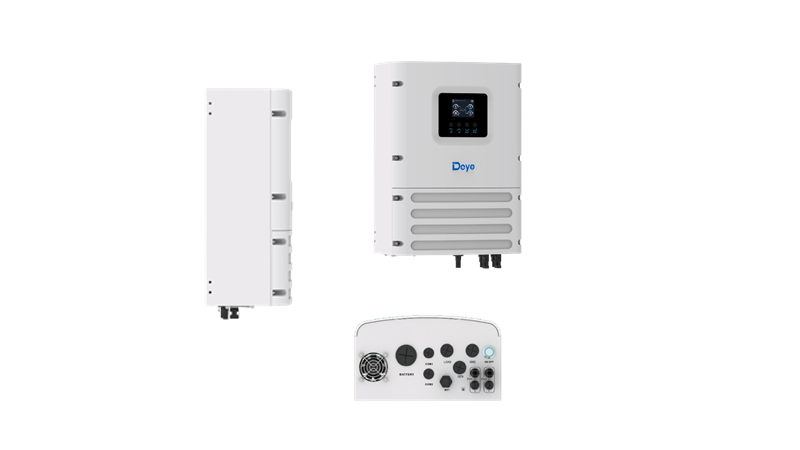
Solar energy is growing fast. Many homes and businesses now use solar power. However, solar panels alone cannot power your appliances. You also need the right inverter.
The inverter converts solar electricity into usable power. Therefore, choosing the right inverter is very important. A good inverter improves efficiency, safety, and system performance.
In this guide, we explain How to Choose the Right Solar Inverter in simple terms. You will also learn key features, types, and practical tips to help you make the best choice.
Why the Solar Inverter Matters
The inverter is often called the brain of a solar system. It controls how electricity flows from the solar panels to your home.
Solar panels produce direct current (DC) electricity. However, homes use alternating current (AC) electricity. The inverter converts DC power into AC power.
In addition, modern inverters perform many useful tasks:
- Manage solar energy production
- Control battery charging
- Monitor system performance
- Protect equipment from electrical faults
As a result, choosing the right inverter ensures your solar system works efficiently and safely.
Types of Solar Inverters
Before choosing an inverter, it helps to understand the main types available.
1. String Inverters
String inverters are the most common type. They connect multiple solar panels into a single system.
They are popular because they are simple and affordable.
Advantages include:
- Lower installation cost
- Simple system design
- Easy maintenance
However, if one panel performs poorly, it can affect the entire system.
2. Hybrid Inverters
Hybrid inverters work with both solar panels and batteries. They allow you to store excess solar energy for later use.
For example, solar energy collected during the day can power your home at night.
Benefits of hybrid inverters include:
- Battery storage support
- Backup power during outages
- Better energy management
As a result, hybrid inverters are becoming very popular in homes and businesses.
3. Off-Grid Inverters
Off-grid inverters are designed for locations without utility electricity.
They work with solar panels and batteries to power buildings independently.
Common uses include:
- Rural homes
- Farms
- Remote buildings
- Construction sites
However, off-grid systems require careful planning and larger battery storage.
4. Microinverters
Microinverters are small inverters installed on each solar panel.
Each panel works independently. Therefore, one panel does not affect the others.
Advantages include:
- Higher efficiency in shaded areas
- Better system monitoring
- Improved overall performance
However, microinverters usually cost more than other types.
Key Factors When Choosing the Right Solar Inverter
Understanding inverter types is helpful. However, several other factors also matter.
1. System Size
First, consider the size of your solar system.
The inverter must match the total power of the solar panels. If the inverter is too small, it cannot handle the energy produced.
Therefore, always choose an inverter with the correct capacity.
2. Efficiency Rating
Inverter efficiency affects how much solar energy becomes usable electricity.
Higher efficiency means less energy loss.
Most modern inverters have efficiency ratings between 95% and 98%.
Therefore, choosing a high-efficiency inverter improves system performance.
3. Battery Compatibility
Some solar systems include battery storage. Others may add batteries later.
Therefore, check if the inverter supports battery integration.
Hybrid inverters are usually the best option for battery systems.
4. Monitoring Features
Modern inverters include smart monitoring tools.
These features allow users to track system performance through mobile apps or online dashboards.
Monitoring helps detect problems early. It also shows how much electricity your system produces.
Common monitoring features include:
- Real-time energy tracking
- Error alerts
- System performance reports
5. Warranty and Reliability
Solar inverters are long-term investments. Therefore, warranty coverage is very important.
Most quality inverters include warranties between 5 and 10 years.
However, some manufacturers offer longer warranties.
Choosing a reliable brand ensures better performance and long-term support.
6. Safety Features
Safety is another important factor when learning How to Choose the Right Solar Inverter.
Good inverters include built-in protection systems.
These safety features may include:
- Overvoltage protection
- Short circuit protection
- Temperature control
- Automatic shutdown
These features protect both the solar system and your home.
Practical Example
Consider a homeowner installing solar panels for the first time.
The home uses electricity mostly at night. Therefore, storing solar energy is important.
In this case, a hybrid inverter would be the best option. It allows the homeowner to store energy in batteries and use it later.
Meanwhile, if the house is located in a remote area without grid power, an off-grid inverter would be the better choice.
This example shows why understanding system needs is important.
Common Mistakes to Avoid
Many buyers make simple mistakes when choosing solar inverters.
Avoid these common errors:
- Choosing an inverter with insufficient capacity
- Ignoring battery compatibility
- Selecting the cheapest option without checking quality
- Installing inverters in hot or poorly ventilated areas
These mistakes can reduce system performance and lifespan.
Simple Tips for Choosing the Right Solar Inverter
Here are practical tips to help you choose wisely:
- Work with experienced solar installers
- Select trusted inverter brands
- Ensure proper system sizing
- Check warranty terms carefully
- Consider future battery upgrades
Following these tips helps ensure your solar system runs smoothly.
Conclusion
Solar inverters are essential components of every solar power system. They convert solar energy into usable electricity and help manage the entire system.
Understanding How to Choose the Right Solar Inverter ensures your system operates efficiently and reliably.
Important factors include inverter type, system size, efficiency, safety features, and battery compatibility.
By carefully selecting the right inverter, homeowners and businesses can enjoy reliable solar energy for many years.
Final Thought
The right inverter can make a big difference in your solar system’s performance. Take time to choose wisely and work with experienced professionals to get the best results.
