Expanding your battery bank is one of the most effective ways to increase energy storage capacity, whether you’re running an off-grid cabin, upgrading your RV, or optimizing a home solar system. But adding more batteries isn’t as simple as wiring in a few extra units. Done incorrectly, it can shorten battery life, reduce performance, or even create safety hazards.
Here’s a comprehensive guide to expanding your battery bank safely and efficiently.
1. Understand Your Existing System
Before purchasing anything, evaluate your current setup:
- Battery type (AGM, flooded lead-acid, lithium iron phosphate)
- Voltage configuration (12V, 24V, 48V)
- Total amp-hour capacity
- Inverter and charge controller ratings
- Cable sizes and fuse protection
Your new batteries must be compatible with your existing system. Mixing incompatible chemistries or voltages can cause serious problems.
For example, lithium batteries such as those made by Battle Born Batteries require different charging profiles than traditional lead-acid batteries. If your charge controller isn’t programmable or compatible, expansion may require additional equipment.
2. Never Mix Old and New Batteries (If Avoidable)
One of the most common mistakes is adding brand-new batteries to an older bank.
When you connect new batteries to older ones:
- The older batteries typically have reduced capacity.
- Internal resistance differs.
- Charging and discharging becomes uneven.
This imbalance causes the new batteries to degrade prematurely.
Best practice:
If your battery bank is more than a year or two old (for lead-acid systems especially), strongly consider replacing the entire bank instead of expanding it.
Lithium systems are more tolerant, but even then, manufacturers like Victron Energy recommend matching batteries with similar age, state of charge, and model type when expanding.
3. Match Battery Specifications Exactly
When expanding safely, your new batteries should match:
- Same chemistry
- Same voltage
- Same amp-hour rating
- Same brand and model (if possible)
For example:
- 12V 100Ah AGM → add another 12V 100Ah AGM
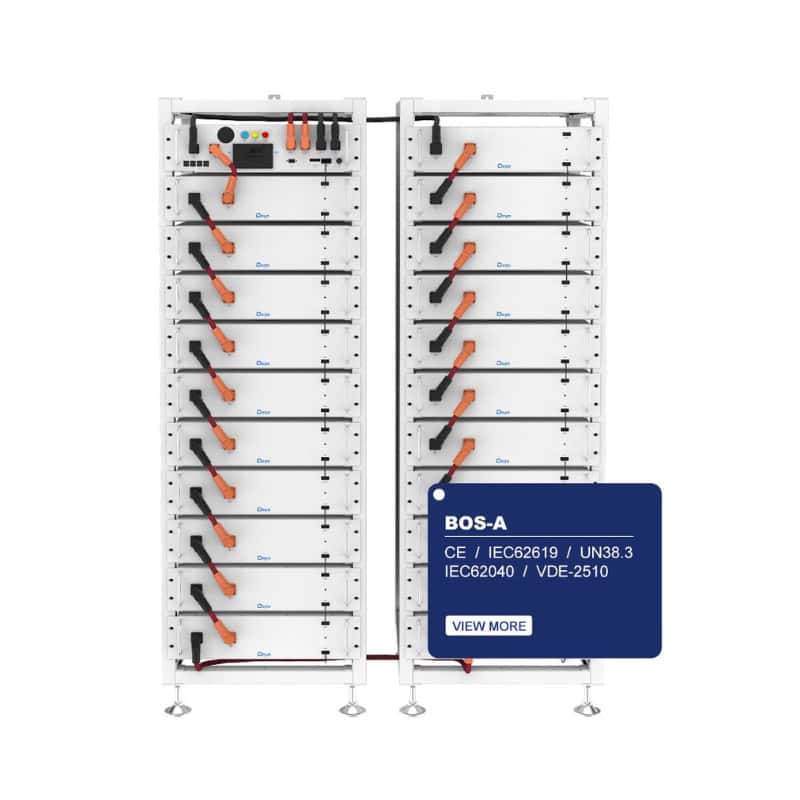
- 48V lithium rack battery → add identical 48V rack battery
Even small differences in internal resistance can create uneven load distribution.
4. Expand in Balanced Configurations
Parallel Expansion (More Capacity)
Adding batteries in parallel increases amp-hour capacity but keeps voltage the same.
Example:
- Two 12V 100Ah batteries in parallel = 12V 200Ah
Key safety considerations:
- Use identical cable lengths for each parallel connection.
- Connect loads diagonally across the bank to balance current.
- Use properly rated bus bars instead of stacking too many lugs on battery terminals.
Series Expansion (Higher Voltage)
Adding batteries in series increases voltage but keeps amp-hour rating the same.
Example:
- Two 12V 100Ah batteries in series = 24V 100Ah
Important:
- Never mix batteries of different capacities in series.
- Ensure all batteries are fully charged before connecting.
Voltage imbalance in series strings can permanently damage cells
5. Upgrade Cables and Protection if Needed
Expanding your bank increases available current. That means:
- Higher potential fault current
- Larger cable requirements
- Bigger fuse ratings
If your original system was sized for 200Ah and you expand to 600Ah, your inverter could now draw much higher surge current.
Use:
- Properly rated class-T or ANL fuses
- Appropriately sized copper cabling
- Heavy-duty bus bars
- Disconnect switches
Companies like Blue Sea Systems specialize in marine-grade protection components that are excellent for battery bank expansion projects.
6. Ensure Your Charging System Can Handle the Expansion
More batteries = more charging demand.
Ask yourself:
- Can your solar array supply enough current?
- Is your charge controller rated for the increased capacity?
- Does your inverter-charger have sufficient output?
If you double your battery bank but keep the same charging system, you may experience:
- Chronic undercharging
- Sulfation (lead-acid)
- Reduced lifespan
- Poor performance
As a rule of thumb for lead-acid:
Charge current should be 10–20% of total amp-hour capacity.
Lithium systems can charge faster, but your equipment must support it.
7. Consider Adding a Battery Management System (BMS)
If you’re expanding a lithium system, a robust BMS is critical.
Many modern lithium batteries include internal BMS protection, but when combining multiple units:
- Communication cables may be required
- Firmware versions should match
- Parallel connection limits must be followed
Manufacturers often publish maximum parallel limits (for example, 4–8 units per bank).
Always follow manufacturer documentation carefully.
8. Maintain Proper Ventilation and Temperature Control
Expanding your battery bank increases heat generation.
For lead-acid:
- Provide ventilation to avoid hydrogen buildup.
For lithium:
- Keep within manufacturer temperature ranges.
- Avoid freezing conditions during charging.
Battery rooms should be dry, ventilated, and protected from extreme temperature swings.
9. Pre-Charge Before Connecting
This is one of the most overlooked safety steps.
Before connecting new batteries to an existing bank:
- Fully charge both banks separately.
- Confirm voltage matches within 0.1–0.2 volts.
- Then connect.
If you connect batteries at different states of charge, a large equalization current can flow instantly, causing:
- Spark hazards
- Damaged terminals
- Blown fuses
- Welded connectors
10. Label and Document Everything
As your system grows, complexity increases.
Document:
- Wiring diagrams
- Fuse ratings
- Cable sizes
- Installation dates
- Battery serial numbers
This makes troubleshooting far easier in the future.
11. When to Consult a Professional
You should strongly consider professional assistance if:
- You’re moving to a higher system voltage (24V → 48V).
- You’re expanding beyond 400Ah of storage.
- You’re integrating grid-tie or hybrid systems.
- You’re unsure about fault current calculations.
High-capacity battery banks store significant energy and can be extremely dangerous if improperly installed.
Final Thoughts
Expanding your battery bank can dramatically improve your energy independence and backup power capacity. But it must be done carefully.
The safest approach is:
- Match batteries exactly
- Balance connections properly
- Upgrade wiring and protection
- Ensure adequate charging capacity
- Follow manufacturer guidelines
Taking shortcuts may save money today but cost you your entire battery bank tomorrow.
A well-designed expansion ensures better performance, longer battery life, and—most importantly—safe operation for years to come.