Solar power is becoming popular in Nigeria. Many homeowners want reliable electricity. However, one common question remains. How many panels power a 3-bedroom house?
The answer is not the same for everyone. It depends on your energy usage and lifestyle. Therefore, understanding your needs is very important.
In this guide, we explain everything simply. In addition, we show how to estimate the number of solar panels you need.
Why Panel Calculation Matters
Solar panels generate electricity. However, the number of panels determines how much power you get.
If you install too few panels:
- Power will not be enough
- Batteries will drain quickly
- Appliances may not run properly
On the other hand, too many panels increase cost.
Therefore, proper calculation helps you save money and get reliable power.
What Affects the Number of Solar Panels?
Several factors determine how many panels you need.
Key Factors
- Daily energy consumption
- Number of appliances
- Sunlight availability
- Panel wattage
- Battery capacity
Therefore, you must consider all these before deciding.
Typical Energy Usage for a 3-Bedroom House
A standard 3-bedroom home usually has:
- Lighting in all rooms
- Fans or AC units
- TV and decoder
- Refrigerator
- Kitchen appliances
- Water pump (in some homes)
Therefore, energy demand is moderate to high.
Average Daily Energy Consumption
Let’s estimate a typical Nigerian home.
Example Appliances
- 10 bulbs (10W each)
- 4 fans (75W each)
- 1 TV (120W)
- 1 fridge (150W)
- 1 AC (1000W, limited use)
Estimated Usage
- Bulbs: 10 × 10W × 6h = 600Wh
- Fans: 4 × 75W × 8h = 2,400Wh
- TV: 120W × 5h = 600Wh
- Fridge: 150W × 24h = 3,600Wh
- AC: 1000W × 4h = 4,000Wh
Total = 11,200Wh (11.2kWh)
Add 20–30% buffer:
👉 ~13–15kWh daily usage
Understanding Solar Panel Output
Solar panels have different sizes.
Common panel ratings:
- 400W
- 500W
- 550W
In Nigeria, one panel produces about:
👉 1.5kWh to 2kWh per day (depending on sunlight)
Therefore, panel output depends on weather and location.
How Many Panels Are Needed?
Now let’s calculate.
If your home uses:
👉 13kWh per day
And one panel produces:
👉 1.7kWh per day
Calculation
13 ÷ 1.7 ≈ 8 panels
However, this is the minimum.
Add safety margin:
👉 10 to 12 panels recommended
Panel Range for a 3-Bedroom House
Based on usage, here is a general guide.
Low Energy Usage (No AC)
- 6 to 8 panels
Medium Energy Usage
- 8 to 12 panels
High Energy Usage (With AC & Pump)
- 12 to 16+ panels
Therefore, your lifestyle determines the final number.
Real-Life Scenario
Let’s compare two homes.
Home A (Basic Use)
- Lights, fans, TV
- No AC
👉 Needs about 6–8 panels
Home B (Full Comfort)
- AC, fridge, pump
- Heavy usage
👉 Needs about 12–16 panels
The difference is clear.
Other Components to Consider
Solar panels are not enough alone.
You also need:
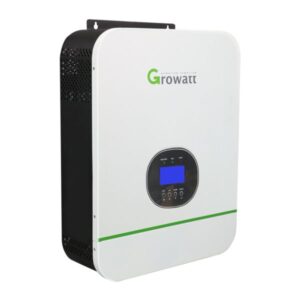
- Inverter (e.g., 3kVA–5kVA or higher)
- Batteries (for storage)
- Mounting structure
Therefore, the entire system must be balanced.
Common Mistakes to Avoid
Many people make errors when planning.
Avoid these mistakes:
- Guessing panel numbers
- Ignoring AC and heavy appliances
- Not adding extra capacity
- Choosing cheap panels
These mistakes lead to poor performance.
Practical Tips for Better Planning
To get the best results:
- Calculate your energy needs first
- Use high-efficiency panels
- Plan for future expansion
- Work with professionals
Therefore, your system will be reliable.
Benefits of Proper Panel Sizing
When you choose the right number of panels:
- You get stable electricity
- Batteries last longer
- System runs efficiently
- You save money long-term
In short, proper sizing improves everything.
When You May Need More Panels
You may need extra panels if:
- You add new appliances
- You start using AC more
- Your energy demand increases
Therefore, always plan for growth.
Conclusion
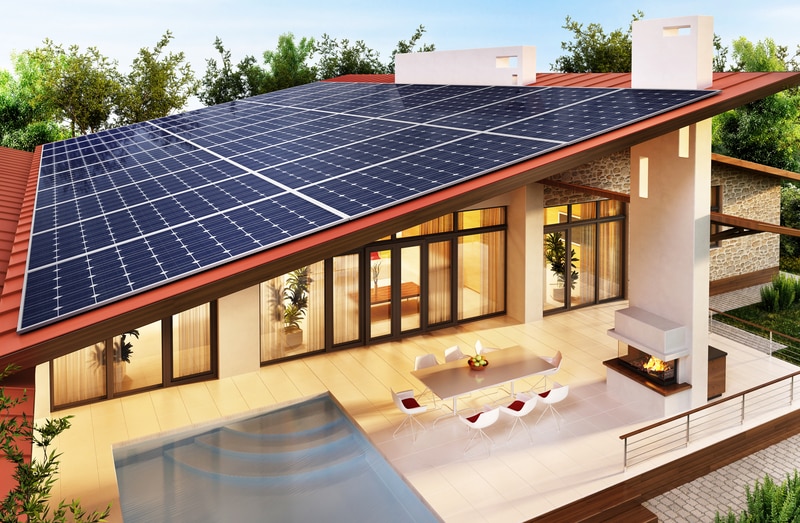
Understanding How Many Panels Power a 3-Bedroom House helps you make the right solar decision.
Most homes need between 8 to 16 panels, depending on usage. In addition, proper calculation ensures better performance and cost savings.
Therefore, never guess your system size.
Final Thought
Solar power works best when properly planned. Calculate your needs, choose the right number of panels, and enjoy reliable electricity every day.