
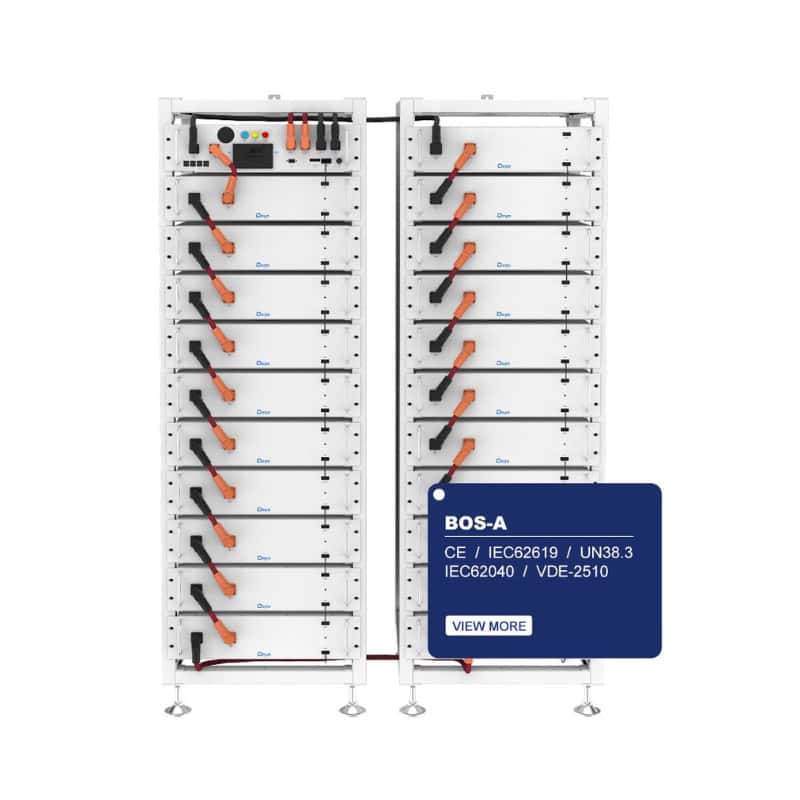
Solar batteries bring peace of mind. They store extra solar energy. They power your home at night. They also help during outages.
But what happens when a solar battery fail?
This question worries many homeowners. A failing battery can reduce savings. It can also disrupt backup power. However, understanding the signs and causes helps you act quickly. In this guide, you will learn what really happens, why it happens, and what you can do next.
Understanding the Role of a Solar Battery
Before exploring what happens when a solar battery fail, it helps to understand its job.
A solar battery stores energy from solar panels. It works with an inverter. It also connects to your home’s electrical system.
During the day, excess solar power charges the battery. Meanwhile, at night, the battery supplies stored electricity. As a result, you rely less on the grid.
If the battery fails, this energy cycle breaks.
What Happens When a Solar Battery Fail?
The effects depend on the type of failure. However, most problems fall into common categories.
1. Loss of Backup Power
This is the most obvious result.
If your solar battery fails, it cannot supply stored energy. Therefore, during a power outage, your home goes dark.
For example, imagine a storm hits at night. Normally, your battery would keep lights and appliances running. However, with a failed battery, you depend fully on the grid.
2. Reduced Energy Savings
Solar batteries reduce electricity bills. They store excess daytime energy.
When a battery fails:
- You may send more power to the grid
- You may draw more power at night
- Your electricity bills may increase
Consequently, your return on investment drops.
3. System Error Alerts
Modern solar battery systems include monitoring apps.
If something goes wrong, you may see:
- Warning notifications
- Error codes
- Sudden shutdown messages
In particular, lithium-ion systems have built-in protection. Therefore, they shut down automatically when faults appear.
4. Overheating or Physical Damage
In rare cases, failure can cause overheating.
Warning signs include:
- Excess heat
- Swelling
- Burning smell
- Leaking fluids
If you notice these, turn off the system immediately. Above all, contact a professional.
Common Causes of Solar Battery Failure
Now that you know what happens when a solar battery fail, let’s look at why it happens.
1. Natural Aging
All batteries degrade over time.
Most lithium-ion batteries last 10–15 years. Meanwhile, lead-acid batteries may last 3–7 years.
Over time:
- Capacity decreases
- Charging slows
- Storage drops
This is normal wear.
2. Overcharging or Deep Discharging
Improper settings can stress a battery.
If a battery frequently reaches 100% or 0%, damage can occur. Consequently, lifespan shortens.
A battery management system helps prevent this. However, system faults can override protections.
3. Poor Installation
Incorrect wiring causes issues. Loose connections also create heat.
For instance, undersized cables can overheat. As a result, components degrade faster.
Professional installation reduces this risk.
4. Extreme Temperatures
Batteries dislike temperature extremes.
High heat accelerates chemical breakdown. In contrast, freezing temperatures reduce performance.
Therefore, proper ventilation and insulation matter.
5. Manufacturing Defects
Sometimes, internal defects exist.
Although rare, faulty cells can fail early. In such cases, warranties often cover replacement.
Signs Your Solar Battery Is Failing
Spotting problems early helps prevent bigger damage.
Watch for these warning signs:
- Battery drains faster than usual
- Charging takes longer
- System shuts down unexpectedly
- Energy storage capacity drops
- Inverter shows fault codes
For example, if your battery once powered your home all night but now lasts only a few hours, degradation may be occurring.
Types of Solar Battery Failures
Not all failures are equal.
Gradual Capacity Loss
This is common. Performance slowly declines.
You still have power. However, storage reduces.
This type is manageable.
Sudden System Shutdown
This is more serious.
The battery stops working without warning. Meanwhile, monitoring apps may show critical errors.
Complete Hardware Failure
This is rare but severe.
Internal components fail. The battery cannot be repaired easily. Consequently, replacement becomes necessary.
What To Do If Your Solar Battery Fails
If you suspect failure, follow these steps:
- Check the Monitoring App
Look for error messages. - Inspect the Battery Area
Check for heat or damage. - Restart the System (If Safe)
Follow manufacturer instructions. - Contact a Certified Installer
Do not attempt internal repairs. - Review Your Warranty
Many batteries include 10-year warranties.
Acting quickly prevents further issues.
Can a Failed Solar Battery Be Repaired?
It depends on the problem.
Minor issues may be repairable:
- Firmware updates
- Wiring fixes
- BMS resets
However, internal cell damage often requires replacement.
Lead-acid batteries may allow individual cell replacement. In contrast, sealed lithium-ion units typically require full replacement.
How to Prevent Solar Battery Failure
Prevention is easier than repair.
Here are practical tips:
- Install in a temperature-controlled space
- Avoid full discharges regularly
- Schedule annual inspections
- Keep firmware updated
- Ensure proper ventilation
- Use certified installers
In addition, monitor performance monthly. Small changes often signal bigger issues.
Real-Life Example
Consider two homeowners.
Homeowner A ignores system alerts. Over time, the battery overheats. Consequently, the unit shuts down permanently. Replacement costs thousands.
Homeowner B monitors energy usage regularly. They notice reduced capacity early. A technician updates firmware and adjusts settings. As a result, the battery continues working efficiently.
The difference is awareness.
Is Solar Still Worth It After a Battery Failure?
Yes, in most cases.
Solar panels still generate electricity. You simply lose storage capability temporarily. Meanwhile, grid power fills the gap.
Replacing a battery may feel expensive. However, long-term energy savings often justify it.
Above all, modern systems are safer and more durable than ever.
Conclusion
So, what happens when a solar battery fail?
You may lose backup power. Your energy savings may drop. In rare cases, safety risks can appear. However, most failures happen gradually. Warning signs usually appear early.
Understanding causes like aging, heat, and poor installation helps you stay prepared. Furthermore, regular monitoring keeps your system healthy. In short, knowledge protects your investment.
Final Thought
A solar battery is a long-term asset. Treat it with care. Monitor it often. Act quickly when issues arise.
Because when you understand what happens when a solar battery fail, you gain control — not fear.


