
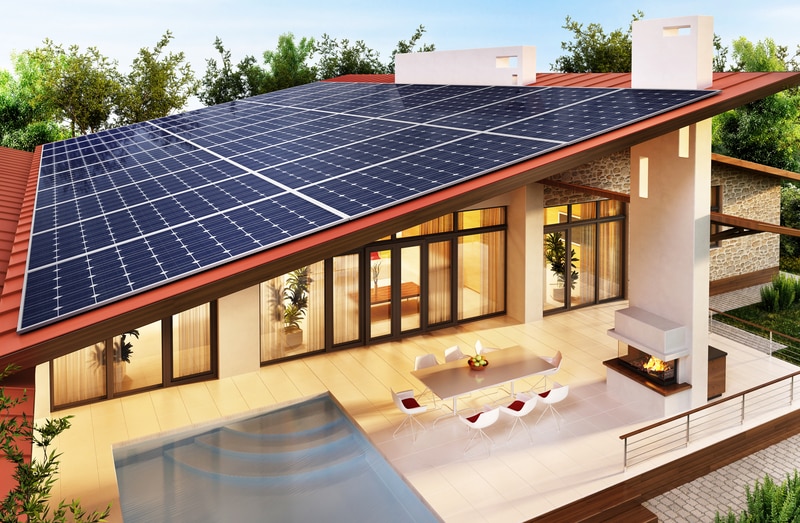
Solar energy is growing fast.
Many families now use solar panels.
In addition, home battery storage is becoming common.
Solar batteries store extra power.
They keep lights on at night.
They also help during outages.
However, safety matters.
Especially when children live at home.
That is why solar battery safety tips for home with children are essential.
Children are curious.
They explore everything.
Therefore, parents must plan ahead.
This guide explains risks, types, and simple safety steps.
Above all, it helps you protect your family.
Why Solar Battery Safety Is Important
Solar batteries hold large amounts of energy.
They are powerful devices.
In contrast, they are not like small toy batteries.
If damaged, they can cause:
- Electric shock
- Fire hazards
- Chemical leaks
- Burns
Meanwhile, children may not understand danger.
They may touch cables.
They may open panels.
As a result, accidents can happen quickly.
Therefore, prevention is always better than reaction.
Types of Solar Batteries Used at Home
Understanding battery types improves safety awareness.
1. Lithium-Ion Solar Batteries
These are the most common.
They are compact and efficient.
For example, many modern home systems use them.
They charge quickly.
They also last longer.
However, if punctured or overheated, they may catch fire.
2. Lead-Acid Solar Batteries
These are older but still used.
They are heavier and larger.
In particular, they contain liquid acid.
If the case breaks, leakage may occur.
Consequently, skin burns are possible.
3. Saltwater Batteries
These are newer options.
They are considered safer.
In addition, they use non-toxic materials.
However, they still store energy.
Therefore, supervision remains important.
Where Solar Batteries Are Installed
Location affects safety.
Most systems are installed in:
- Garages
- Utility rooms
- Basements
- Outdoor enclosures
Meanwhile, some homes place batteries near living spaces.
In contrast, others use detached storage areas.
Above all, the area should be restricted.
Children should not access it freely.
Main Risks of Solar Battery Systems
Solar battery systems are safe when installed correctly.
However, risks increase without precautions.
Electrical Shock
Solar batteries store high voltage.
Touching exposed wiring is dangerous.
For instance, a loose panel cover can expose cables.
Fire Risk
Overheating can lead to fire.
This is rare but serious.
Improper installation increases this risk.
Chemical Exposure
Lead-acid batteries contain corrosive materials.
If spilled, they can burn skin.
Similarly, fumes may irritate breathing.
Physical Injury
Battery units are heavy.
Children climbing on them can get hurt.
Additionally, falling equipment can cause injury.
Practical Solar Battery Safety Tips for Home with Children
Now let’s focus on prevention.
These solar battery safety tips for home with children are simple and effective.
1. Install Batteries in Restricted Areas
Choose a locked room if possible.
Use doors with childproof locks.
For example:
- Install keypad entry systems
- Add warning signs
- Keep keys out of reach
Consequently, children cannot wander inside.
2. Use Professional Installation
Never attempt DIY battery setup.
Hire certified solar technicians.
Professional installers ensure:
- Proper wiring
- Correct ventilation
- Secure mounting
- Compliance with safety codes
Therefore, risks are greatly reduced.
3. Keep Cables Covered and Secured
Loose wires attract attention.
Children may pull or chew them.
In addition:
- Use cable conduits
- Cover exposed terminals
- Inspect wiring monthly
As a result, electrical hazards decrease.
4. Ensure Proper Ventilation
Some batteries release heat.
Lead-acid batteries may release gases.
Good airflow prevents buildup.
Similarly, it reduces overheating risk.
5. Install Smoke and Heat Detectors Nearby
Place detectors in battery areas.
Connect them to home alarms.
Furthermore, test alarms regularly.
Early detection saves lives.
Safe Charging and Monitoring Practices
Solar batteries charge automatically.
However, monitoring still matters.
Use Smart Monitoring Systems
Many systems include apps.
These track battery health.
For example, alerts show overheating.
They also warn about faults.
Therefore, you can act quickly.
Avoid Overloading the System
Do not connect extra equipment.
Follow manufacturer limits.
Overloading increases heat.
Consequently, fire risk rises.
Teaching Children About Solar Battery Safety
Education adds another layer of protection.
Explain in Simple Terms
Say, “This is not a play area.”
Use calm and clear language.
In particular, teach older kids:
- Not to touch cables
- Not to open panels
- To report strange smells
Similarly, repeat rules often.
Set Clear Boundaries
Make battery areas off-limits.
Use physical barriers.
Meanwhile, supervise children in garages or basements.
Consistency builds safe habits.
Emergency Preparedness for Solar Battery Homes
Preparation reduces panic.
Create a Safety Plan
Every family needs one.
Include battery-related risks.
Your plan should include:
- Emergency exit routes
- Fire extinguisher locations
- Emergency contact numbers
- Utility shut-off instructions
As a result, everyone knows what to do.
Keep a Fire Extinguisher Nearby
Use the correct type.
Ask your installer for advice.
Additionally, learn how to use it properly.
Practice builds confidence.
Real-Life Scenario
Imagine this situation.
Your solar battery is installed in the garage.
You leave the door slightly open.
Your child enters while playing.
They see blinking lights.
They try to touch a cable.
This moment is preventable.
Therefore, secure doors every time.
Small habits prevent big accidents.
Benefits of Following Solar Battery Safety Tips for Home with Children
When you follow these safety tips, you gain:
- Greater peace of mind
- Reduced fire hazards
- Safer storage systems
- Better long-term performance
In short, safety protects both family and investment.
Conclusion
Solar energy is a smart choice.
Solar batteries increase energy independence.
They also lower electricity bills.
However, safety must come first.
Especially in homes with children.
These solar battery safety tips for home with children are easy to apply.
For example, secure installation and restricted access make a big difference.
Furthermore, education and monitoring add extra protection.
Above all, awareness keeps your home safe.
Final Thought
Take time this week.
Inspect your solar battery setup.
Check locks, wires, and alarms.
Small actions today prevent emergencies tomorrow.
Protect your energy system.
Protect your children.