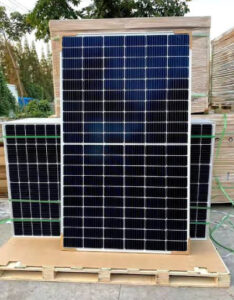
Solar panels work hard every day. They turn sunlight into clean power and reduce your energy bills. However, they need proper care to stay efficient. Many homeowners forget this step. As a result, their panels slowly lose performance. In contrast, well-maintained systems can deliver strong output for decades.
This guide shows you how to maintain solar panels for maximum efficiency. It covers cleaning, inspection, monitoring, and safety. It also shares simple habits that protect your long-term investment. Above all, it helps you get more power from the system you already own.
Why Solar Panel Maintenance Matters
Solar panels seem low-maintenance. That idea is partly true. They have no moving parts and rarely break. However, dirt, shade, and weather still affect them. Consequently, energy production can drop over time.
Key reasons maintenance matters
- It preserves panel efficiency.
- It protects your warranty.
- It prevents long-term damage.
- It improves ROI for homeowners.
- It extends the lifespan of your system.
For example, a thin layer of dust can reduce output by 5–10%. Heavy buildup can cause efficiency losses of up to 25%. Therefore, regular upkeep makes a measurable difference.
Understanding the Components That Need Care
Before you start, it helps to know which parts require attention. This knowledge keeps your efforts safe and effective.
Main components to monitor
- Solar panels – the glass and frame.
- Mounting hardware – brackets, bolts, rails.
- Inverter – where DC power becomes AC power.
- Cables and connectors – wiring that carries electricity.
- Monitoring system – software that reports performance.
Each part has its own needs. However, panels and the inverter demand the most attention.
How Often Should You Maintain Solar Panels?
Maintenance frequency depends on your environment. For instance, dusty or coastal regions need more frequent cleaning. Meanwhile, rainy areas may require less.
General schedule
- Light cleaning: every 3–4 months.
- Deep cleaning: once or twice per year.
- Professional inspection: annually.
- Monitoring check: weekly or monthly.
In addition, unusual drops in energy production often signal the need for extra cleaning.
How to Clean Solar Panels for Maximum Efficiency
Cleaning is the most important step. It boosts performance almost immediately. Thankfully, cleaning solar panels is simple.
Common dirt sources
- Dust
- Pollen
- Bird droppings
- Pollution and smoke
- Leaves and small branches
- Hard water stains
Best time to clean your panels
- Early morning (cool surfaces)
- Cloudy days
- Late afternoon after heat drops
Hot panels can crack when hit with cold water. Therefore, avoid cleaning during peak sun.
Step-by-step cleaning process
- Turn off your system for safety.
- Rinse the panels with clean, lukewarm water.
- Use a soft brush or squeegee with a long handle.
- Apply mild soap if there is stubborn grime.
- Scrub gently to avoid scratching the glass.
- Rinse again until no soap remains.
- Let the panels air-dry for a streak-free finish.
What not to do
- Do not use high-pressure washers.
- Do not use harsh chemicals.
- Do not stand on the panels.
- Do not clean with abrasive sponges.
- Do not spray freezing water on hot surfaces.
In short, treat panels like car windshields. Gentle cleaning works best.
How to Inspect Solar Panels and Hardware
Cleaning is only one part of learning how to maintain solar panels for maximum efficiency. Inspection prevents hidden issues.
What to check visually
- Cracks in the glass
- Loose bolts or brackets
- Corrosion on metal parts
- Chewed wires from animals
- Shading from new trees
- Water pooling near the roof mounting
If you see anything unusual, contact a solar technician. DIY repairs can void warranties.
Monitoring Your Solar Energy Performance
Modern systems include digital dashboards. They show how much power your panels produce. Additionally, they highlight sudden drops in output.
Key performance indicators
- Daily production
- Monthly trends
- Comparison to previous seasons
- Alerts or error codes
- Sudden dips after storms
For instance, if your typical daily output is 25 kWh but drops to 18 kWh, something may be blocking the panels.
What monitoring helps you catch early
- Hidden shading
- Dirt buildup
- Wiring issues
- Inverter malfunction
- Weather-related damage
Regular monitoring keeps surprises away.
How to Care for Your Inverter
The inverter is the system’s heart. It converts energy into usable power. Therefore, it needs attention.
Simple inverter maintenance tips
- Keep it clean and dust-free.
- Ensure proper airflow.
- Check for warning lights.
- Listen for unusual sounds.
- Inspect nearby wiring.
Most inverters last 10–15 years. However, proper care can extend their life.
Seasonal Solar Panel Maintenance Tips
Different seasons require different strategies. Seasonal shifts impact how your system performs.
Spring
- Remove pollen buildup.
- Inspect for winter damage.
- Trim fast-growing tree branches.
Summer
- Check for overheating signs.
- Clean panels to remove dust.
- Ensure ventilation around the inverter.
Fall
- Clear leaves weekly.
- Inspect mounts after storms.
- Prepare for lower sunlight levels.
Winter
- Remove snow safely.
- Avoid using hot water on frozen panels.
- Brush panels with a soft snow broom.
Additionally, keep roof areas safe and dry before climbing.
When to Call a Professional
Some tasks require expert help. For example, electrical repairs and roof work can be dangerous.
Hire a pro if
- Output drops dramatically.
- Panels show cracks or chips.
- Wiring looks damaged.
- Inverter displays repeated errors.
- You see corrosion on mounts.
- You feel unsafe performing tasks.
A certified technician ensures everything stays within warranty guidelines.
Common Mistakes Homeowners Make
Avoiding mistakes improves your system’s longevity.
Frequent errors to avoid
- Ignoring monitoring data
- Cleaning too often or too aggressively
- Using rough tools
- Failing to check shading from tree growth
- Skipping professional inspections
- Letting animals nest near wiring
These habits reduce efficiency over time.
Practical Example: A Realistic Maintenance Scenario
Imagine a family in a suburban home. Their solar output drops 15% in June. At first, they assume it’s normal. However, they check the monitoring system. The dashboard confirms a steady decline.
They inspect the roof and find fine dust from recent construction nearby. They perform a gentle cleaning. As a result, output returns to normal the next day. This small step helps them avoid a costly service call.
How to Maintain Solar Panels for Maximum Efficiency: Quick Checklist
Use this list for fast reference.
- Clean panels every 3–4 months.
- Inspect hardware twice a year.
- Monitor performance weekly.
- Trim trees that cast new shadows.
- Check the inverter monthly.
- Hire a pro for serious issues.
This simple routine keeps your system strong.
Conclusion
Solar panels give you clean, reliable power. However, they need consistent care. Regular cleaning, frequent monitoring, and smart seasonal habits help maintain peak performance. In addition, these steps reduce long-term costs and protect your investment.
Above all, learning how to maintain solar panels for maximum efficiency puts you in control. Small actions lead to noticeable gains.
Final Thought
Take 10 minutes today to review your system. A quick check can improve efficiency, extend lifespan, and increase your savings.