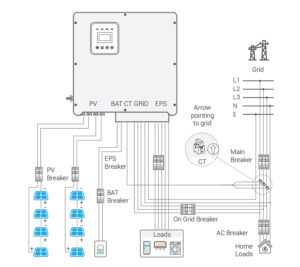

Solar batteries are not cheap. They store your power. They keep your lights on. However, replacing them too soon can hurt your budget.
Many solar users face early battery failure. As a result, they spend more than planned. The good news is simple. You can reduce these costs. You just need the right habits and system setup.
This guide explains how to reduce solar battery replacement costs using smart strategies. In addition, it covers maintenance tips, system design choices, and practical examples.
Why Solar Battery Replacement Is Expensive
Solar batteries work daily. They charge and discharge constantly. Over time, wear and tear happen.
Replacement costs include:
- Buying new batteries
- Installation labor
- System downtime
- Possible inverter adjustments
Consequently, poor battery care leads to repeated spending. Therefore, prevention is always cheaper than replacement.
Choose the Right Battery from the Start
Your first decision matters most. Battery type affects lifespan and maintenance needs.
Common Solar Battery Types
- Lead-Acid Batteries
- Lower upfront cost
- Shorter lifespan
- Higher maintenance
- Lithium-Ion Batteries
- Higher upfront cost
- Longer lifespan
- Minimal maintenance
- AGM and Gel Batteries
- Sealed design
- Moderate lifespan
- Less maintenance
For example, lithium batteries may last 8–15 years. Meanwhile, some lead-acid batteries last 3–5 years.
Although lithium costs more initially, it often reduces long-term replacement expenses.
Avoid Deep Discharge
Deep discharge is a silent battery killer. It happens when batteries drain too low.
Each battery has a Depth of Discharge (DoD) limit. Exceeding it daily causes stress.
To prevent this:
- Keep charge above recommended level
- Avoid draining below 20% (unless specified)
- Monitor battery levels regularly
As a result, you extend battery life significantly.
Prevent Overcharging
Overcharging is equally harmful. It generates heat. It damages internal cells.
Common causes include:
- Incorrect inverter settings
- Poor charge controllers
- Lack of monitoring
Therefore, always:
- Set correct voltage limits
- Use quality charge controllers
- Match inverter settings to battery type
In short, balanced charging reduces early failure.
Maintain Proper Ventilation
Heat shortens battery lifespan. Consequently, hot environments increase replacement costs.
Install batteries in:
- Cool rooms
- Shaded areas
- Well-ventilated spaces
Avoid direct sunlight. Additionally, ensure airflow around battery banks.
For instance, a poorly ventilated battery room can cut lifespan in half.
Perform Regular Maintenance
Maintenance saves money. However, many users ignore it.
Monthly checks should include:
- Inspecting terminals
- Cleaning corrosion
- Tightening loose cables
- Checking battery temperature
Lead-acid batteries may need water top-ups. On the other hand, lithium batteries require system monitoring.
Simple maintenance prevents costly breakdowns.
Use a Battery Monitoring System
You cannot manage what you cannot see. Monitoring systems provide real-time data.
They help track:
- Voltage levels
- State of charge
- Temperature
- Charge cycles
Consequently, you detect problems early. Early detection prevents full replacement.
Smart inverters and apps make monitoring easier than ever.
Size Your Solar System Correctly
Undersized systems overwork batteries. Oversized systems may cause imbalance.
Proper sizing ensures:
- Balanced charging cycles
- Reduced strain
- Longer battery life
For example, a business running heavy loads on a small battery bank will experience rapid degradation.
Therefore, consult professionals during installation.
Avoid Mixing Old and New Batteries
This mistake is common. However, it increases replacement costs.
Old batteries charge differently. When mixed with new ones, imbalance occurs.
As a result:
- New batteries degrade faster
- Performance becomes unstable
- Entire bank fails early
Replace batteries in matched sets whenever possible.
Protect Against Power Surges
Power surges damage batteries and inverters. Surge protectors reduce this risk.
Install:
- DC surge protection
- AC surge protection
- Proper grounding systems
In areas with unstable grid supply, this step is critical.
Follow Manufacturer Guidelines
Every battery has specific requirements.
Always check:
- Recommended charging voltage
- Temperature limits
- Maintenance schedule
- Compatible inverter models
Ignoring these guidelines leads to voided warranties and early failure.
Above all, keep warranty documents safe.
Charge Properly During Low Usage
Some users ignore batteries during low usage seasons. However, leaving batteries discharged causes damage.
Best practice includes:
- Keep partial charge during storage
- Avoid full discharge
- Recharge periodically
Similarly, avoid leaving batteries fully charged for long periods unless recommended.
Train Users and Staff
In commercial setups, human error is common.
Train staff to:
- Monitor system alerts
- Avoid overload
- Report unusual behavior
- Follow safe shutdown procedures
Small operational mistakes increase battery wear.
Real-Life Cost Comparison
Consider two homes.
Home A ignores maintenance. Batteries overheat often. Deep discharge happens daily. Replacement occurs every three years.
Home B monitors voltage. Maintains ventilation. Avoids deep discharge. Batteries last eight years.
The difference is thousands in savings.
That is how to reduce solar battery replacement costs effectively.
Long-Term Financial Benefits
Reducing replacement frequency saves:
- Capital expenditure
- Maintenance budget
- Downtime losses
Additionally, longer battery life improves return on investment.
Businesses especially benefit from stable energy storage systems.
Quick Checklist to Reduce Costs
Here is a simple summary:
- Choose high-quality batteries
- Avoid deep discharge
- Prevent overcharging
- Ensure proper ventilation
- Monitor battery performance
- Perform monthly inspections
- Install surge protection
- Replace batteries in sets
- Follow manufacturer instructions
Consistency matters more than complexity.
Conclusion
Solar batteries are valuable assets. However, poor care leads to frequent replacement. Understanding how to reduce solar battery replacement costs helps protect your investment.
Simple steps make a big difference. Proper charging, ventilation, monitoring, and system sizing extend lifespan. Consequently, you spend less over time.
Smart maintenance today prevents expensive replacement tomorrow.
Final Thought
Your solar battery works daily for you. Treat it wisely. Small preventive actions now can save you years of unnecessary expenses later.