
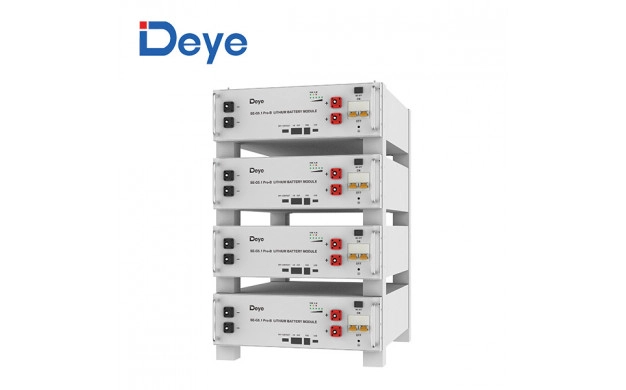
Solar batteries are a smart investment. They store extra solar power for later use. However, many people forget one key detail. Storage matters just as much as installation.
If you do not know how to store solar battery properly, you risk damage, reduced lifespan, or even safety hazards. On the other hand, proper storage keeps your battery efficient and safe for years.
In this guide, you will learn simple and practical steps. You will also discover safety tips, common mistakes, and best practices to protect your investment.
Why Proper Solar Battery Storage Is Important
Solar batteries are sensitive devices. They react to temperature, moisture, and charge levels. Therefore, poor storage can cause serious problems.
For example, extreme heat can shorten battery life. In contrast, freezing temperatures may damage internal components. Additionally, improper charging during storage can reduce capacity permanently.
Proper storage helps:
- Extend battery lifespan
- Maintain performance
- Prevent fire risks
- Protect warranty coverage
- Save money long term
Above all, good storage ensures your solar energy system remains reliable.
Types of Solar Batteries and Their Storage Needs
Not all batteries are the same. Therefore, storage requirements may vary slightly.
1. Lithium-Ion Solar Batteries
Lithium-ion batteries are the most common today. They are used in many home solar systems.
For instance, popular brands like the Tesla Powerwall use lithium-ion technology.
Storage tips:
- Store at 40–60% charge
- Keep in cool, dry place
- Avoid full discharge
- Avoid direct sunlight
They are low maintenance. However, they are sensitive to extreme temperatures.
2. Lead-Acid Solar Batteries
Lead-acid batteries are older technology. However, they are still widely used in off-grid systems.
They require more care. In addition, they need proper ventilation.
Storage tips:
- Keep fully charged
- Check water levels regularly
- Store upright
- Avoid freezing conditions
If stored improperly, sulfation may occur. As a result, battery capacity drops.
3. Saltwater and Other Battery Types
Saltwater batteries are eco-friendly. They are also safer than some alternatives.
However, they still require stable temperatures. Furthermore, they should not be exposed to high humidity.
Always check the manufacturer’s manual. Every battery model may have specific guidelines.
Ideal Conditions for Storing Solar Batteries
Now let’s look at the ideal environment.
1. Temperature Control
Temperature is critical.
Most solar batteries prefer:
- 50°F to 77°F (10°C to 25°C)
Too hot? Battery degrades faster.
Too cold? Internal damage may occur.
Therefore, indoor storage is usually best. For example, garages, utility rooms, or insulated storage areas work well.
2. Keep Away From Moisture
Moisture is dangerous. It can cause corrosion or short circuits.
Store batteries:
- In dry locations
- Away from water leaks
- Off concrete floors
- With proper ventilation
Additionally, use shelves or wooden pallets to prevent ground moisture contact.
3. Proper Ventilation
Lead-acid batteries release gases. Therefore, ventilation is necessary.
Lithium-ion batteries do not release gas. However, airflow still helps control temperature.
Never store batteries in sealed, hot containers. That increases fire risk.
Step-by-Step Guide: How to Store Solar Battery Properly
Follow these simple steps.
Step 1: Check Battery Charge Level
Before storage:
- Lithium-ion: charge to 40–60%
- Lead-acid: fully charge
Do not store at 0%.
Also, avoid 100% for long-term lithium storage.
Step 2: Disconnect Safely
Turn off the system first.
Then disconnect cables carefully.
If unsure, consult a technician. Safety always comes first.
Step 3: Clean the Battery
Wipe dust and dirt.
Check for corrosion.
For lead-acid batteries, inspect terminals. Clean gently if needed.
Step 4: Choose the Right Location
Pick a space that is:
- Cool
- Dry
- Shaded
- Stable in temperature
Avoid attics. Avoid outdoor sheds without insulation.
Step 5: Monitor Periodically
Even in storage, batteries need attention.
- Check charge every 2–3 months
- Recharge lithium if below 30%
- Recharge lead-acid if voltage drops
Consequently, this prevents deep discharge damage.
Common Mistakes to Avoid
Many homeowners make simple errors. However, these mistakes can be costly.
Avoid the following:
- Storing in direct sunlight
- Leaving battery fully discharged
- Ignoring manufacturer instructions
- Storing near flammable materials
- Blocking ventilation openings
For example, placing a battery near a furnace is risky. Heat exposure accelerates wear.
Short-Term vs Long-Term Storage
Storage needs depend on duration.
Short-Term Storage (Less Than 1 Month)
- Keep connected if safe
- Maintain recommended charge
- Monitor temperature
Usually, minimal action is needed.
Long-Term Storage (Several Months or More)
- Disconnect properly
- Store at ideal charge level
- Check every 2–3 months
- Keep temperature stable
In long-term cases, monitoring becomes more important.
Safety Tips When Storing Solar Batteries
Safety should never be ignored.
Here are key precautions:
- Keep away from children and pets
- Avoid stacking heavy objects on battery
- Do not open sealed battery units
- Use insulated tools if handling terminals
- Install smoke detectors nearby
If you smell burning or see swelling, act immediately. Contact a professional.
Real-Life Example
Imagine you are renovating your home. You remove your solar system temporarily.
If you leave your lithium battery fully charged in a hot garage for six months, capacity may drop. As a result, performance suffers.
However, if you store it at 50% charge in a climate-controlled room and check it quarterly, it will remain healthy.
Small steps make a big difference.
Benefits of Proper Solar Battery Storage
When you know how to store solar battery properly, you gain several advantages:
- Longer battery lifespan
- Stable energy output
- Reduced repair costs
- Better return on investment
- Increased safety
Furthermore, proper storage protects manufacturer warranty. Many warranties require correct handling.
Additional Best Practices
Here are a few extra tips:
- Label storage date
- Keep user manual nearby
- Avoid frequent unnecessary movement
- Use battery management systems (BMS)
- Install temperature monitoring sensors
In addition, consider professional inspection once a year.
Conclusion
Solar batteries are valuable assets. They power homes efficiently and reduce grid dependence. However, improper storage can undo these benefits.
Therefore, always control temperature. Keep batteries dry. Maintain correct charge levels. Monitor periodically. Follow manufacturer instructions.
Whether you own lithium-ion, lead-acid, or saltwater batteries, the basics remain the same. Safe handling leads to longer life.
Final Thought
Your solar battery works hard for you. Treat it well, even during storage. A little care today prevents expensive problems tomorrow.
Start applying these storage tips now. Your future energy savings depend on it.