Solar power systems are designed to be reliable and efficient. However, like all electronic equipment, some components may wear out over time. One of the most important parts of a solar system is the inverter.
The inverter converts solar energy into usable electricity for homes and businesses. When the inverter stops working properly, the entire solar system may lose efficiency.
Therefore, understanding the Signs Your Solar Inverter Is Failing helps you detect problems early. Early detection can prevent bigger issues and costly repairs.
In this guide, we will explain common warning signs, possible causes, and what you should do if your inverter starts to fail.
Why the Solar Inverter Is So Important
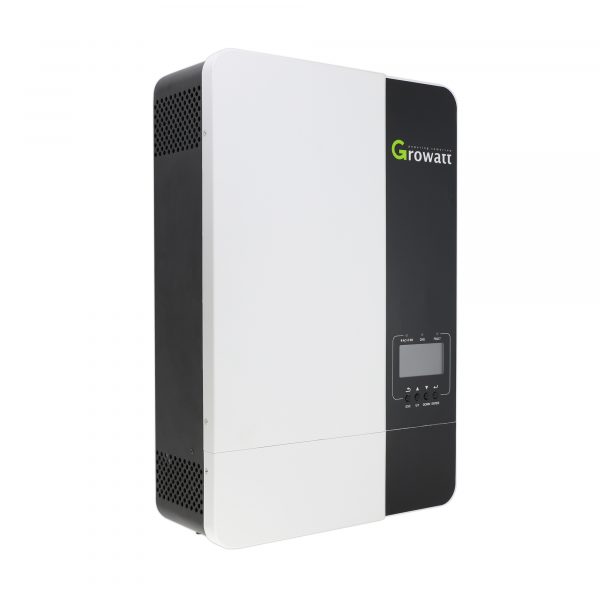
The solar inverter acts as the control center of a solar power system. It converts direct current (DC) electricity from solar panels into alternating current (AC) electricity.
Most household appliances require AC electricity. Without the inverter, solar panels cannot power your home.
In addition, modern inverters perform other important functions, including:
- Monitoring solar energy production
- Managing battery charging
- Protecting electrical equipment
- Controlling system safety
As a result, if the inverter fails, the entire solar system may stop producing usable power.
Common Causes of Solar Inverter Failure
Solar inverters are built to last many years. However, several factors can affect their performance.
Common causes include:
- Electrical surges
- Overheating
- Poor installation
- Dust or moisture exposure
- Aging electronic components
Meanwhile, extreme weather conditions can also affect inverter lifespan.
Understanding these risks helps prevent system damage.
1. No Power Output
One of the most obvious signs your solar inverter is failing is when your system stops producing electricity.
For example, your monitoring app may show zero power generation during daylight.
Possible reasons include:
- Internal inverter malfunction
- Electrical connection problems
- System shutdown due to faults
Therefore, if your solar system suddenly stops producing energy, the inverter should be inspected immediately.
2. Error Messages or Warning Lights
Modern inverters often include display screens or indicator lights. These systems alert users when problems occur.
You may see:
- Error codes on the display
- Flashing warning lights
- System fault notifications
For instance, some inverters show error codes when voltage levels are abnormal.
Consequently, it is important to check the user manual or contact a professional installer.
3. Unusual Noise from the Inverter
Solar inverters normally operate quietly. However, strange noises may indicate internal problems.
Common unusual sounds include:
- Loud buzzing
- Clicking sounds
- Electrical humming
These noises may suggest issues with cooling fans or electronic components.
Therefore, unusual sounds should not be ignored.
4. Overheating Problems
Heat is a common cause of inverter failure. Although inverters produce some heat during operation, excessive heat can damage internal circuits.
Signs of overheating include:
- Very hot inverter surface
- Automatic system shutdowns
- Frequent performance interruptions
Proper ventilation helps prevent overheating.
Meanwhile, installing the inverter in a shaded and cool location can improve its lifespan.
5. Reduced Solar Energy Production
Sometimes inverter problems are less obvious. Instead of shutting down completely, the inverter may operate inefficiently.
As a result, your solar system produces less electricity.
Signs include:
- Lower daily energy production
- Unexpected increases in electricity bills
- Poor battery charging performance
For example, if your solar panels receive good sunlight but energy production remains low, the inverter may be malfunctioning.
6. Frequent System Restart
Another warning sign is frequent system rebooting.
The inverter may repeatedly turn off and restart.
Possible causes include:
- Voltage instability
- Internal circuit faults
- Software errors
Frequent restarting disrupts system performance and should be checked by a professional technician.
7. Communication Problems with Monitoring Apps
Many modern solar systems include mobile monitoring apps. These apps allow users to track energy production in real time.
However, communication issues may appear when the inverter begins to fail.
Possible signs include:
- Monitoring app not updating data
- Connection errors
- Missing system information
Although this problem can sometimes be related to internet connectivity, inverter faults can also cause it.
Practical Example
Imagine a home with a rooftop solar system. The system has been working efficiently for several years.
One day, the homeowner notices that the monitoring app shows much lower energy production.
Meanwhile, the inverter display shows a warning light. After inspection, a technician discovers overheating inside the inverter.
The inverter is repaired, and energy production returns to normal.
This example shows why recognizing the Signs Your Solar Inverter Is Failing is important.
Tips to Prevent Solar Inverter Failure
Although inverter problems can occur, proper care helps reduce the risk.
Follow these simple maintenance tips:
- Install the inverter in a cool location
- Ensure proper airflow and ventilation
- Keep the inverter clean and dust-free
- Check system monitoring regularly
- Schedule professional inspections
These steps help maintain reliable solar performance.
When to Replace Your Solar Inverter
Solar inverters do not last forever. Most inverters have a lifespan of 10 to 15 years.
If your inverter shows repeated problems, replacement may be necessary.
Signs replacement may be needed include:
- Frequent error codes
- Very low energy production
- Continuous overheating
- Expired manufacturer warranty
Replacing a failing inverter can restore system efficiency and reliability.
Conclusion
Solar inverters play a critical role in every solar power system. When they stop working properly, the entire system can suffer.
Understanding the Signs Your Solar Inverter Is Failing helps homeowners detect problems early. Warning signs may include error messages, overheating, reduced energy production, or unusual noises.
Regular monitoring and maintenance can prevent many issues. Meanwhile, professional inspections ensure the system remains safe and efficient.
Taking action quickly helps protect your solar investment.
Final Thought
A healthy inverter keeps your solar system running smoothly. By recognizing early warning signs, you can prevent major failures and maintain reliable solar power for years.