
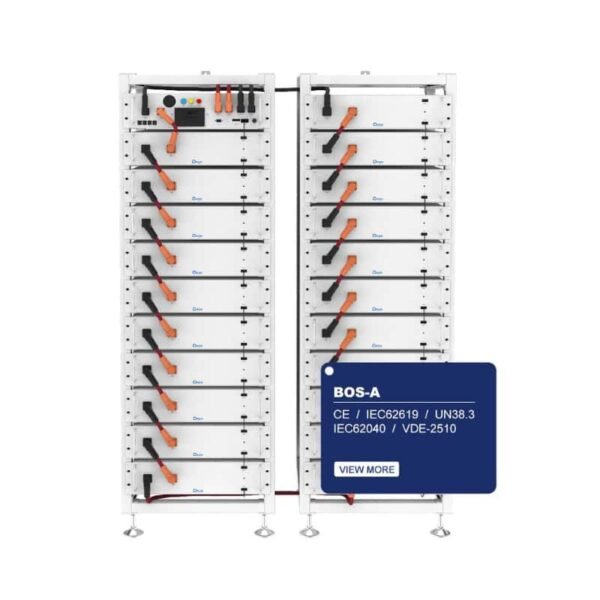
Solar batteries are powerful. They store energy. They keep homes running during outages. However, moving them is not simple.
These batteries are heavy. They contain sensitive components. Some also contain lithium cells. Therefore, improper handling can cause damage or even fire.
That is why learning how to transport solar batteries safely is essential. It protects people. It protects property. It also protects your investment.
Let’s walk through everything step by step.
Why Safe Transportation Matters
Solar batteries are energy storage systems. Even when not connected, they hold charge.
Improper transport can lead to:
- Short circuits
- Internal damage
- Leakage
- Overheating
- Fire hazards
For example, dropping a lithium battery can damage internal cells. As a result, it may overheat later without warning.
In contrast, proper packaging and handling prevent costly accidents. Above all, safety must come first.
Understand the Type of Solar Battery
Before transport, identify the battery type.
Different batteries require different care.
1. Lithium-Ion Batteries
These are common in modern systems. They are compact and efficient. However, they are sensitive to impact and heat.
2. Lithium Iron Phosphate (LiFePO4)
These are safer than regular lithium-ion. They are more stable. Still, careful handling is required.
3. Lead-Acid Batteries
These are heavier. They may contain liquid electrolyte. Therefore, they must remain upright during transport.
Knowing the battery type helps you follow correct safety steps.
Check Legal and Shipping Regulations
Solar batteries are classified as hazardous materials in many regions.
Therefore, regulations may apply.
Check for:
- Local transport laws
- Hazardous material labeling requirements
- Shipping documentation
- Carrier restrictions
For instance, lithium batteries often require UN certification and proper labeling.
In addition, some courier services refuse damaged or untested batteries.
Always verify rules before shipping.
Pre-Transport Safety Checklist
Preparation is critical.
Before moving any solar battery, complete this checklist:
- Turn off the battery
- Disconnect all cables
- Reduce charge level to 30–50%
- Inspect for damage
- Secure terminal covers
- Remove loose accessories
Lowering the state of charge reduces risk. Meanwhile, covering terminals prevents short circuits.
If you notice swelling or leakage, do not transport the battery. Contact a professional instead.
Proper Packaging Is Essential
Packaging protects both the battery and the people handling it.
Use Original Packaging If Possible
Original boxes are designed for protection. They include foam inserts and shock absorption.
If original packaging is unavailable, use:
- Strong double-wall boxes
- Foam padding
- Anti-static wrapping
- Non-conductive materials
Avoid metal objects inside the box.
Secure the Battery Firmly
Movement during transport causes damage.
Make sure:
- The battery cannot shift
- Empty spaces are filled
- The box is sealed tightly
- “Fragile” labels are visible
Additionally, label the package as “Lithium Battery” if applicable.
Clear labeling prevents mishandling.
Safe Handling Practices
Lifting and moving require caution.
Solar batteries are heavy. Some weigh over 80kg.
Follow these safety tips:
- Use lifting equipment if needed
- Wear protective gloves
- Avoid dropping or tilting
- Keep upright if required
- Do not stack heavy items on top
For example, lead-acid batteries must stay upright. In contrast, lithium batteries are less orientation-sensitive but still require stability.
Always handle slowly and carefully.
Temperature Control During Transport
Temperature matters greatly.
Extreme heat can damage lithium cells. Meanwhile, freezing temperatures can affect performance.
Keep batteries within recommended temperature range, usually:
- 0°C to 40°C (32°F to 104°F)
Avoid:
- Direct sunlight
- Hot vehicle interiors
- Wet conditions
If transporting long distance, use climate-controlled vehicles when possible.
Vehicle Transport Guidelines
Transporting solar batteries in a vehicle requires planning.
Follow these steps:
- Place the battery on a flat surface.
- Secure it with straps.
- Prevent rolling or sliding.
- Keep ventilation available.
- Avoid sharp turns or sudden stops.
Never place batteries near flammable materials.
In addition, do not transport damaged batteries in enclosed vehicles.
Shipping Solar Batteries Commercially
If shipping via freight or courier, follow strict guidelines.
You may need:
- UN38.3 certification (for lithium batteries)
- Proper hazard labels
- Safety data sheets (SDS)
- Approved packaging standards
Work with certified logistics providers experienced in battery shipping.
Furthermore, insure high-value shipments.
Proper documentation avoids delays and penalties.
What to Do If Damage Occurs During Transport
Accidents happen. However, quick action reduces risk.
If a battery is dropped or damaged:
- Do not reconnect it
- Move it to a safe area
- Avoid touching leaking material
- Contact the manufacturer
- Follow disposal guidelines
If fire starts, use a Class C or lithium-rated fire extinguisher.
Never use water on lithium battery fires.
Safety first, always.
Real-Life Scenario
Imagine moving a lithium solar battery without securing it properly. During transit, it shifts and hits the vehicle wall.
At first, everything looks fine. However, internal damage occurred. Weeks later, the battery overheats during charging.
Now imagine using proper packaging and straps. The battery arrives safely. Installation goes smoothly. No hidden damage occurs.
Small precautions prevent major losses.
Benefits of Transporting Solar Batteries Safely
Following best practices offers clear advantages:
- Prevents costly damage
- Reduces fire risk
- Ensures warranty protection
- Avoids legal penalties
- Protects installers and drivers
- Maintains battery lifespan
In addition, proper handling builds trust with customers if you are a contractor.
Consequently, your business reputation improves.
Extra Safety Tips for Installers and Businesses
If you transport solar batteries regularly:
- Train staff properly
- Use handling equipment
- Keep fire extinguishers available
- Maintain transport logs
- Inspect batteries before and after delivery
Additionally, create a standard operating procedure (SOP) for your team.
Consistency improves safety.
Conclusion
Learning how to transport solar batteries safely is essential. These batteries store high energy. They require careful handling.
From understanding battery type to following packaging and legal requirements, every step matters. Skipping precautions increases risk.
However, proper planning makes transportation smooth and safe.
Take time. Prepare carefully. Follow guidelines strictly.
Safety protects your investment and everyone involved.
Final Thought
Before moving your next solar battery, pause and review your safety steps. Double-check packaging. Secure the load.
Careful transport today ensures reliable power tomorrow.