Solar Batteries for Off-Grid Living in Nigeria
Electricity is not always reliable. Many homes face daily outages. Meanwhile, some rural areas lack grid power completely. As a result, more Nigerians are choosing solar energy.
However, solar panels alone are not enough. Energy must be stored for night use. That is where batteries become essential. They store power during the day and release it when needed.
Solar Batteries for Off-Grid Living in Nigeria provide independence, stability, and comfort. In addition, they reduce reliance on diesel generators and unstable grid supply. This guide explains how they work, the best types, and how to choose the right one.
Why Solar Batteries Are Essential for Off-Grid Living
Living off-grid means no connection to public electricity. Therefore, energy storage becomes critical.
During the day, solar panels produce electricity. However, energy demand continues at night. Batteries solve this problem.
Solar batteries allow you to:
- Store excess solar energy
- Use electricity at night
- Maintain power during cloudy weather
- Reduce generator use
- Achieve full energy independence
Consequently, a reliable battery system makes off-grid living practical and comfortable.
How Solar Batteries Work in Off-Grid Systems
An off-grid solar system has several components. Each part plays a role.
These include:
- Solar panels
- Charge controller
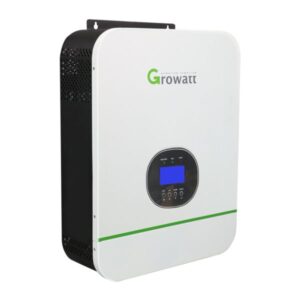
- Inverter
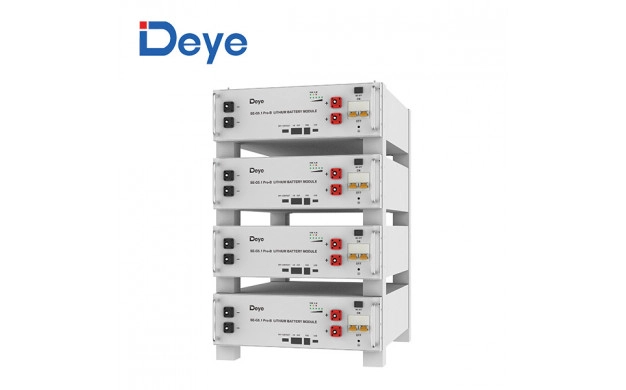
- Battery bank
- Electrical loads
First, solar panels collect sunlight. Next, the charge controller regulates power. Then the battery stores excess electricity.
Finally, the inverter converts stored energy into usable AC power.
As a result, homes can run lights, TVs, fans, and appliances even without the grid
Types of Solar Batteries for Off-Grid Living
Not all batteries perform the same. Choosing the right type affects cost, lifespan, and efficiency.
1. Lithium-Ion Batteries
Lithium batteries are modern and efficient. Many new solar systems use them.
Key advantages include:
- Long lifespan
- Fast charging
- High efficiency
- Minimal maintenance
In addition, lithium batteries can handle deeper discharge cycles. This makes them ideal for daily solar use.
However, they cost more upfront. Yet, their long life often reduces replacement costs.
2. Lead-Acid Batteries
Lead-acid batteries are traditional and widely used. They are cheaper initially.
There are two main types:
- Flooded lead-acid
- Sealed AGM or Gel batteries
Advantages include:
- Lower upfront cost
- Easy availability
- Simple technology
However, they require more maintenance. Additionally, their lifespan is shorter than lithium batteries.
3. Gel and AGM Batteries
These are sealed lead-acid batteries. They require less maintenance than flooded types.
Benefits include:
- No water refilling
- Reduced gas emission
- Safer indoor installation
On the other hand, they still have limited cycle life compared to lithium batteries.
Benefits of Solar Batteries for Off-Grid Living in Nigeria
Solar batteries offer many advantages, especially in Nigeria’s power environment.
Energy Independence
Off-grid homes rely fully on solar power. Batteries ensure electricity remains available day and night.
As a result, homeowners avoid power outages and fuel shortages.
Reduced Generator Costs
Generators are common in Nigeria. However, fuel prices are rising.
Solar batteries reduce generator use. Consequently, families save money on diesel or petrol.
In addition, noise pollution disappears.
Clean and Sustainable Energy
Solar batteries support clean power generation. There are no emissions during operation.
Therefore, they help reduce environmental pollution.
Reliable Power Supply
Batteries stabilize energy supply. Even during cloudy days, stored power supports essential appliances.
For instance, lights, refrigerators, routers, and security systems remain active.
Factors to Consider When Choosing Solar Batteries
Selecting the right battery is important for off-grid living.
Consider the following factors carefully.
Battery Capacity
Capacity determines how much energy a battery can store.
Larger homes need higher capacity. Small cabins may require less.
Always calculate daily energy usage first.
Depth of Discharge (DoD)
Depth of Discharge shows how much battery energy you can safely use.
For example:
- Lithium batteries allow deeper discharge
- Lead-acid batteries require higher reserve levels
Higher DoD means better energy utilization.
Battery Lifespan
Battery lifespan depends on cycle life.
Lithium batteries may last 10–15 years. Meanwhile, lead-acid batteries may last 3–5 years.
Therefore, long lifespan reduces replacement costs.
Climate and Temperature
Nigeria has high temperatures. Heat affects battery performance.
Choose batteries designed for hot environments. Also ensure proper ventilation.
Practical Example of Off-Grid Living
Imagine a rural home outside the city. Grid power is unavailable. The family installs solar panels with a battery bank.
During the day, sunlight powers appliances. Meanwhile, extra energy charges the batteries.
At night, the stored energy runs lights, fans, and TVs. Consequently, the home enjoys reliable electricity without fuel or noise.
This is the power of solar batteries for off-grid living in Nigeria.
Best Practices for Solar Battery Maintenance
Proper maintenance extends battery lifespan.
Follow these simple practices:
- Keep batteries in a cool environment
- Avoid deep discharge regularly
- Monitor battery voltage and charge levels
- Clean terminals periodically
- Ensure proper ventilation
In addition, use quality inverters and charge controllers.
Safety Tips for Solar Battery Systems
Safety is very important when installing batteries.
Follow these guidelines:
- Install batteries on stable surfaces
- Keep flammable materials away
- Use proper circuit protection
- Ensure correct wiring connections
- Hire professional installers when possible
These steps reduce fire and system risks.
Future of Off-Grid Solar in Nigeria
Solar adoption is growing quickly in Nigeria. Rising electricity costs and grid instability encourage alternatives.
Meanwhile, battery technology continues to improve. Prices are gradually decreasing.
As a result, more homes and businesses are choosing off-grid solar solutions.
Solar batteries will remain central to this energy transition.
Conclusion
Reliable electricity is essential for modern life. However, grid challenges continue across Nigeria. Solar energy provides a practical solution.
Solar Batteries for Off-Grid Living in Nigeria make that solution complete. They store power, stabilize energy supply, and support true independence from the grid.
By choosing the right battery and maintaining it properly, homeowners can enjoy clean and reliable power for many years.
Final Thought
Energy freedom is possible today. With the right solar battery system, homes across Nigeria can enjoy stable electricity without relying on the grid.