Solar energy is everywhere.
However, sunlight is not constant.
That is why batteries matter.
A good battery stores power for night use. It also supports homes during outages. Yet not all batteries perform equally. Many homeowners now ask: What makes lithium solar batteries more efficient?
The answer is simple but powerful. It involves chemistry, smart technology, and modern design. In this article, we will clearly explain what makes lithium solar batteries more efficient and why they are becoming the top choice for solar energy storage.
Let’s dive in.
Understanding Lithium Solar Batteries
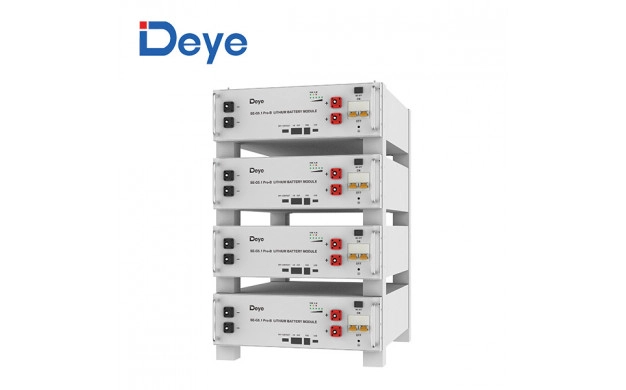
Lithium solar batteries store electricity generated by solar panels. Most use lithium-ion or lithium iron phosphate (LiFePO4) chemistry.
They are widely used in:
- Residential solar systems
- Off-grid homes
- RV and marine setups
- Commercial solar installations
- Backup power systems
For example, products like the Powerwall from Tesla use lithium technology for home energy storage. Similarly, BYD provides lithium battery systems for residential and commercial use.
But what exactly makes lithium solar batteries more efficient than traditional options?
High Energy Density
Energy density matters.
Lithium batteries store more energy in less space. In contrast, lead-acid batteries are bulky and heavy.
Because of high energy density:
- More electricity fits into a smaller unit
- Less space is required
- Installation becomes easier
For example, a compact lithium battery can store 10 kWh in a wall-mounted unit. Meanwhile, a similar lead-acid setup may require a large floor area.
Therefore, lithium batteries maximize usable storage in limited space.
Higher Round-Trip Efficiency
Round-trip efficiency measures how much energy you get back after storing it.
Lithium solar batteries typically offer:
- 90–98% round-trip efficiency
Lead-acid batteries usually offer:
- 70–85% efficiency
That difference is significant.
If your solar panels generate 10 kWh:
- A lithium battery may return 9.5 kWh
- A lead-acid battery may return only 8 kWh
As a result, less solar energy is wasted. This is one key reason what makes lithium solar batteries more efficient.
Deeper Depth of Discharge (DoD)
Depth of Discharge refers to how much of the battery capacity can be used safely.
Lithium batteries often allow:
- 80–100% DoD
Lead-acid batteries usually allow:
- 50% DoD
For instance, a 10 kWh lithium battery may provide 9 kWh of usable energy. Meanwhile, a 10 kWh lead-acid battery may safely provide only 5 kWh.
Consequently, lithium systems deliver more practical power from the same rated capacity.
Low Internal Resistance
Low resistance improves performance.
Lithium solar batteries have low internal resistance. Therefore, energy flows in and out more easily.
This results in:
- Faster charging
- Faster discharging
- Less heat generation
- Higher efficiency
Heat wastes energy. However, lithium systems minimize this loss. As a result, overall system performance improves.
Advanced Battery Management Systems (BMS)
Modern lithium batteries include smart electronics.
A Battery Management System controls:
- Voltage levels
- Temperature
- Cell balancing
- Charging speed
- Safety limits
For example, LG Energy Solution integrates advanced monitoring systems in its storage products.
Because of BMS technology:
- Overcharging is prevented
- Overheating is controlled
- Performance is optimized
Therefore, lithium solar batteries operate more efficiently and safely.
Longer Lifespan
Efficiency also includes lifespan.
Lithium solar batteries often last:
- 3,000 to 6,000+ charge cycles
Lead-acid batteries typically last:
- 500 to 1,500 cycles
This means lithium batteries maintain performance for many years. In addition, they degrade more slowly.
For homeowners, that means:
- Lower replacement costs
- Stable long-term performance
- Better return on investment
In short, long life improves overall efficiency.
Faster Charging Capability
Solar production peaks during midday. Therefore, batteries must absorb energy quickly.
Lithium batteries accept high charge currents safely. In contrast, lead-acid batteries must charge slowly to prevent damage.
As a result:
- Lithium batteries capture more midday sunlight
- Less solar energy goes unused
- System efficiency improves
This is especially useful in winter months with shorter daylight hours.
Lightweight and Compact Design
Weight affects installation and energy use.
Lithium batteries are significantly lighter. For example:
- A 10 kWh lithium battery may weigh 100–150 lbs
- A similar lead-acid system may weigh 300–400 lbs
Lighter systems reduce structural strain. Additionally, wall-mounted designs save floor space.
Compact design also improves airflow and cooling. Consequently, performance remains stable.
Real-World Example: A Residential Solar Setup
Imagine a family with:
- 8 kW solar panels
- 12 kWh battery storage
During the day:
- Solar panels generate excess energy
- The lithium battery stores nearly all surplus
- Minimal energy is lost
At night:
- Stored energy powers lights and appliances
- Efficiency remains high
- Grid dependence drops
With a less efficient battery, more solar energy would be wasted. Therefore, lithium improves real-world performance.
Types of Lithium Solar Batteries
Different lithium chemistries offer efficiency benefits.
1. Lithium-Ion (NMC)
- High energy density
- Compact size
- Common in home systems
2. Lithium Iron Phosphate (LiFePO4)
- Very stable
- Long cycle life
- Excellent thermal performance
LiFePO4 is particularly popular for off-grid systems due to safety and durability.
Both types contribute to what makes lithium solar batteries more efficient.
Additional Benefits
Lithium solar batteries also provide:
- Minimal maintenance
- No memory effect
- Low self-discharge rate
- Quiet operation
- Smart monitoring apps
Meanwhile, traditional batteries often require water refilling and frequent checks.
Therefore, lithium simplifies solar ownership.
Practical Tips for Maximum Efficiency
To get the most from your lithium solar battery:
- Install a properly sized system
- Use a quality inverter
- Keep the battery in moderate temperatures
- Update firmware regularly
- Monitor performance via app
In particular, temperature control is important. Extreme heat reduces lifespan. However, most lithium systems include built-in protection.
Why Efficiency Matters for the Future
Solar adoption continues to grow worldwide.
Efficient energy storage supports:
- Energy independence
- Lower electricity bills
- Reduced carbon emissions
- Grid stability
Similarly, electric vehicles and smart homes depend on reliable storage systems.
Because of this, lithium technology plays a central role in the clean energy transition.
Conclusion
So, what makes lithium solar batteries more efficient?
The reasons are clear:
- High energy density
- Superior round-trip efficiency
- Deep depth of discharge
- Low internal resistance
- Smart Battery Management Systems
- Long lifespan
Together, these features deliver better solar storage performance.
Therefore, lithium solar batteries are not just modern — they are practical, powerful, and future-ready.
Final Thought
Solar energy is free.
Efficiency determines how much you keep.
If you are planning a solar system, consider long-term performance, not just upfront cost. Because smarter storage means smarter energy use.