Solar power grows each year. And, as energy costs rise, more people seek better options. Consequently, many homeowners compare off-grid vs on-grid solar systems. The choice matters, because each system works differently. Furthermore, each one fits a different lifestyle. This guide explains both options in simple terms. In addition, it shows when each type makes sense. By the end, you will know which system fits your home, your budget, and your goals.
What Are On-Grid Solar Systems?
On-grid solar systems connect to the local power grid. Therefore, they supply power when the sun shines. And also, they pull electricity from the grid when you need more. In short, the home stays linked to the utility company.
How On-Grid Systems Work
The setup is simple:
- Solar panels capture sunlight.
- An inverter converts DC to usable AC power.
- Your home uses solar first.
- Excess power flows back to the grid.
- The grid sends power when solar is not enough.
Because of this connection, on-grid homes never run out of electricity.
Advantages of On-Grid Systems
On-grid systems offer several benefits:
- Lower upfront cost, because you skip batteries.
- More stable power, because the grid fills the gaps.
- Net-metering options, which may reduce bills.
- Simple maintenance, with fewer components.
Additionally, many cities support on-grid setups, which makes installation smooth. In contrast, off-grid systems need more planning.
Typical Uses
On-grid systems fit well in:
- Urban homes
- Suburban neighborhoods
- Offices or commercial buildings
- Areas with reliable utilities
- Places where net metering is available
For most people, this is the easiest path to clean energy.
What Are Off-Grid Solar Systems?
Off-grid systems operate independently. They do not connect to the local power grid at all. As a result, they require solar panels, batteries, and sometimes backup generators. Because of this, you gain full control over your energy use.
How Off-Grid Systems Work
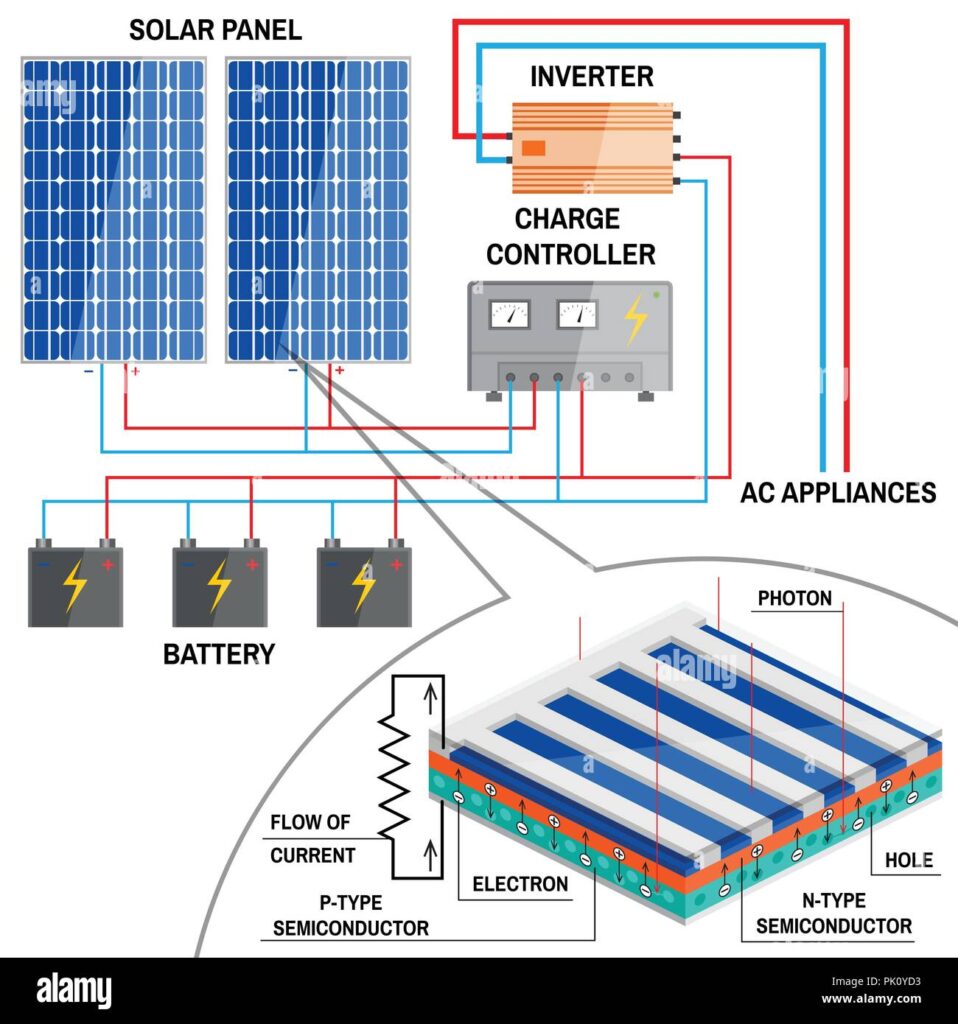
Off-grid setups include more parts:
- Solar panels collect energy.
- Charge controllers protect batteries.
- Batteries store power for night and cloudy days.
- Inverters power your home.
- A generator may help in emergencies.
Therefore, your home becomes self-sufficient. However, poor planning can lead to blackout risks.
Advantages of Off-Grid Systems
Off-grid systems offer unique benefits:
- Complete independence from utilities
- No electric bills
- Reliable power in remote areas
- Protection from outages
- Sustainable lifestyle choices
Furthermore, many people enjoy the feeling of independence. In addition, they gain freedom from rising utility rates.
Typical Uses
Off-grid systems work best for:
- Remote cabins
- Rural homes far from power lines
- Farms and ranches
- Emergency shelters
- Tiny homes or mobile living units
In many cases, connecting to the grid costs more than going off-grid.
Key Differences: Off-Grid vs On-Grid Solar Systems
Although both systems use sunlight, they function differently. Therefore, your choice depends on your needs.
1. Connection to the Utility Grid
- On-Grid: Always connected
- Off-Grid: Fully independent
Because of this, on-grid homes get backup power. However, off-grid homes must store energy themselves.
2. Cost
- On-Grid: Lower upfront costs
- Off-Grid: Higher initial costs due to batteries
Consequently, on-grid systems fit tight budgets. In contrast, off-grid setups cost more at first but save more long-term.
3. Power Reliability
- On-Grid: Reliable unless the grid fails
- Off-Grid: Reliable if designed well
During storms, on-grid systems may shut down. However, off-grid systems keep running because they do not rely on the grid.
4. Maintenance
- On-Grid: Lower maintenance
- Off-Grid: More frequent battery checks
Batteries need care, and therefore off-grid systems demand attention.
5. Lifestyle Fit
- On-Grid: Great for convenience
- Off-Grid: Best for independence
In short, choose the system that matches your lifestyle goals.
When an On-Grid System Is the Better Choice
Choosing on-grid makes sense in many situations. For instance, if you live in a city, the grid already supports your needs. Also, installation is simpler and more affordable. Plus, you often get credits for excess energy.
Reasons to Choose On-Grid Solar
- You want lower upfront costs.
- Your area offers net-metering.
- You prefer simple maintenance.
- Your home uses consistent daily power.
- Your utility grid is stable.
Furthermore, on-grid systems scale easily. So, you can expand later without big changes. As a result, many families pick this option first.
Example Scenario
Imagine a family in a suburban neighborhood. They use moderate power daily. The local grid is stable. Net-metering is available. Therefore, an on-grid system lowers bills and keeps power flowing year-round.
When an Off-Grid System Is the Better Choice
Some people want total independence. In contrast to on-grid setups, off-grid systems remove utility dependency completely.
Reasons to Choose Off-Grid Solar
- You live in a remote area.
- Connecting to the grid costs too much.
- You want full energy control.
- You prefer a sustainable, self-reliant lifestyle.
- Your area has frequent outages.
Additionally, off-grid systems offer peace of mind. Because your home stores power, you stay protected from rising rates.
Example Scenario
Imagine a small cabin in the mountains. Power lines do not reach the property. In addition, winter storms often block roads. In this case, off-grid solar with batteries ensures year-round energy. As a result, the cabin stays warm and functional without relying on utilities.
Hybrid Solar Systems: A Third Option
Between off-grid and on-grid lies a hybrid system. This option connects to the grid but also uses batteries. Therefore, it blends convenience and independence.
Why Consider a Hybrid System?
Hybrid systems work well when:
- You want backup power.
- You live where outages occur often.
- You want to avoid high peak-hour rates.
- You prefer flexibility.
Furthermore, hybrid systems store excess energy. As a result, you can use solar even at night or during emergencies.
Cost Comparison: Off-Grid vs On-Grid Solar Systems
Costs often guide decisions. Therefore, here is a simple breakdown.
On-Grid Systems Cost Less
Because there are no batteries, on-grid systems usually cost:
- 30–50% less upfront
- Less for maintenance
- Less for upgrades
Additionally, incentives often apply, which further lower costs.
Off-Grid Systems Cost More Initially
Off-grid systems require:
- Batteries
- Controllers
- Backup generators
Consequently, the initial price is higher. However, the long-term savings can be significant. In particular, remote properties gain the most value because grid connection fees can be extremely high.
Environmental Impact of Both Systems
Both systems reduce carbon footprints. However, each one affects the environment differently.
On-Grid Impact
On-grid systems reduce emissions but still depend on the grid. Therefore, they may use fossil-fuel energy at night or during cloudy periods. In addition, they produce minimal waste because they require fewer components.
Off-Grid Impact
Off-grid systems maximize renewable use. However, batteries require resources. Consequently, they may create more waste over time. Even so, new battery technologies reduce this problem each year.
How to Choose the Right System
The best choice depends on your needs.
Questions to Ask Yourself
- Do you live near the grid?
- How much power do you use daily?
- Do you want independence?
- Is cost a major factor?
- How stable is your local utility grid?
Answering these questions helps guide your decision effectively.
Simple Rule of Thumb
- Choose on-grid if you want affordability.
- Choose off-grid if you need independence.
- Choose hybrid if you want the best of both.
Conclusion
Choosing between off-grid vs on-grid solar systems does not need to be difficult. On-grid systems offer lower costs, simple maintenance, and easy access to utility power. In contrast, off-grid systems deliver independence, freedom from rising rates, and reliable energy in remote locations. Meanwhile, hybrid systems provide balance and flexibility.
In short, the right choice depends on your lifestyle, location, and energy goals. With clear planning, any system can offer long-term savings and cleaner power.
Final Thought
Solar energy grows stronger each year. Therefore, now is the best time to explore your options. Take a moment, review your needs, and choose the system that aligns with your future. Clean, reliable power is within reach—so take the next step today.
