
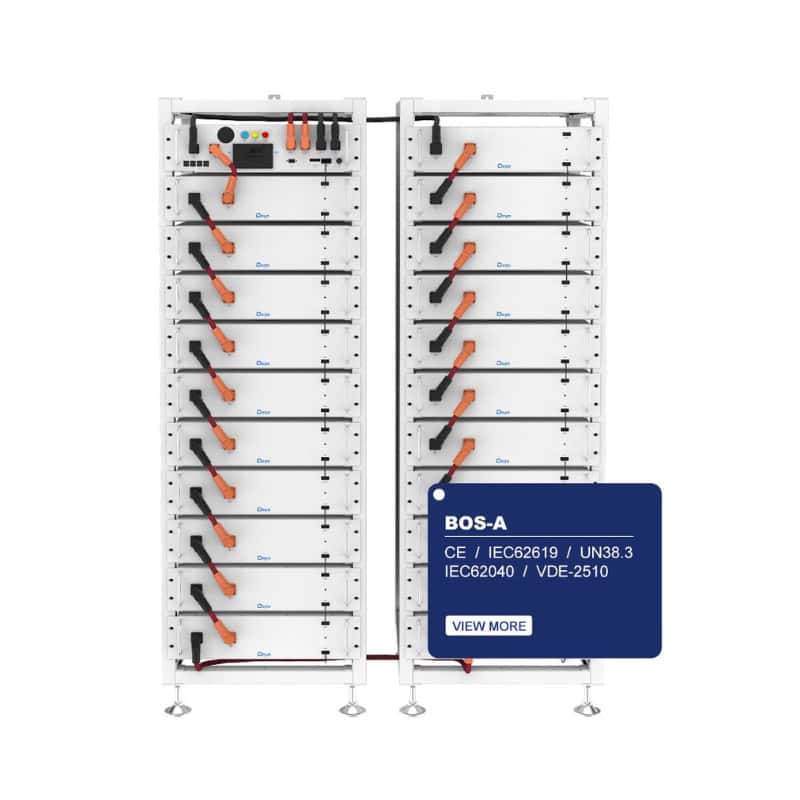
Solar power is growing fast in Nigeria. Power outages happen often. Fuel costs keep rising. As a result, many homes and businesses now rely on solar systems.
However, one big question keeps coming up. How long do solar batteries last in Nigeria? This question matters a lot. Batteries are the heart of any solar system. They store energy for night use and blackout periods.
Therefore, understanding their lifespan helps you plan better. It also helps you save money. In this guide, we will explain everything clearly. You will learn what affects battery life, common battery types, and how to make them last longer.
Why Solar Battery Lifespan Matters in Nigeria
Nigeria has unique power challenges. Grid electricity is unstable. In addition, weather conditions vary across regions. These factors directly affect solar battery performance.
Solar batteries are expensive. Replacing them too often increases system costs. Therefore, knowing their expected lifespan helps buyers make smart choices.
Furthermore, proper planning prevents disappointment. Many users expect batteries to last forever. Sadly, that is not true. Batteries wear out over time. The good news is that good habits can extend their life.
Average Lifespan of Solar Batteries in Nigeria
So, how long do solar batteries last in Nigeria? The answer depends on battery type and usage.
On average, most solar batteries last between 3 to 15 years. However, this range is wide for a reason. Different batteries behave differently.
For example, cheap batteries may fail within three years. On the other hand, premium lithium batteries can last over ten years. Climate, maintenance, and usage also matter a lot.
Common Types of Solar Batteries Used in Nigeria
Lead-Acid Batteries
Lead-acid batteries are very popular in Nigeria. They are affordable and easy to find. However, they do not last very long.
There are two main types. Flooded lead-acid and sealed lead-acid. Flooded types need regular maintenance. Sealed types need less care.
Typical lifespan in Nigeria:
- 3 to 5 years with proper care
Gel Batteries
Gel batteries are a type of sealed lead-acid battery. They are safer and spill-proof. In addition, they handle deep discharges better.
However, they cost more than flooded batteries. Many solar users prefer them for homes.
Typical lifespan in Nigeria:
- 4 to 7 years
Lithium-Ion Batteries
Lithium batteries are becoming more common. They are modern and efficient. They charge faster and last longer.
Furthermore, they require little maintenance. However, they are expensive upfront.
Typical lifespan in Nigeria:
- 10 to 15 years
Factors That Affect How Long Solar Batteries Last in Nigeria
Weather and Temperature
Nigeria has a hot climate. Heat affects battery life badly. High temperatures cause faster chemical reactions inside batteries. As a result, batteries degrade faster.
For instance, batteries kept in hot rooms may fail early. In contrast, cool and ventilated spaces extend battery life.
Depth of Discharge
Depth of discharge means how much energy you use before recharging. Deep discharges reduce battery lifespan.
For example, draining a battery to zero every day damages it. Therefore, it is better to recharge before it drops too low.
Charging Habits and Inverter Quality
Poor charging damages batteries. Overcharging and undercharging are common problems.
Low-quality inverters worsen this issue. In contrast, smart inverters protect batteries better.
Using a good charge controller also helps. It regulates voltage and current properly.
Maintenance Practices
Maintenance matters, especially for lead-acid batteries. Checking water levels is important. Cleaning terminals also helps.
Ignoring maintenance leads to early failure. Meanwhile, lithium batteries need very little care.
Real-Life Examples from Nigerian Homes
Consider a small household in Lagos. They use four gel batteries daily. With proper care, the batteries last six years.
Now compare that to a shop in Aba. They overload their inverter. They also drain batteries fully every night. As a result, their batteries fail within two years.
These examples show one thing clearly. Usage habits matter more than brand alone.
How to Make Solar Batteries Last Longer in Nigeria
Here are practical tips that work:
- Keep batteries in a cool, ventilated room
- Avoid deep discharges whenever possible
- Use a quality inverter and charge controller
- Do not overload your solar system
- Perform regular maintenance checks
- Use original batteries from trusted dealers
Additionally, size your system correctly. Undersized systems stress batteries. In contrast, well-sized systems perform better.
Benefits of Choosing Long-Lasting Solar Batteries
Long-lasting batteries offer many advantages.
- Lower replacement costs
- Better system reliability
- Improved power availability
- Less downtime during outages
Furthermore, they give peace of mind. You worry less about sudden failures. Over time, they also save money.
Safety Tips When Using Solar Batteries
Safety should never be ignored. Batteries store large amounts of energy.
Always follow these safety rules:
- Do not expose batteries to water
- Keep them away from children
- Avoid mixing old and new batteries
- Use proper cables and connectors
In addition, hire trained installers. Poor installation causes many battery failures in Nigeria.
Is It Worth Investing in Lithium Batteries in Nigeria?
Many people ask this question. Lithium batteries cost more initially. However, they last longer.
Over ten years, lithium batteries often cost less. They need fewer replacements. They also offer better efficiency.
Therefore, if you can afford them, they are a smart long-term choice. For budget users, gel batteries remain a good option.
Conclusion
So, how long do solar batteries last in Nigeria? The answer depends on many factors. Battery type, climate, usage, and maintenance all play roles.
Lead-acid batteries last 3 to 5 years. Gel batteries last up to 7 years. Lithium batteries can last 15 years or more.
Choosing wisely and using best practices makes a big difference. Solar power is an investment. Protect it properly.
Final Thought
Solar batteries are not just storage tools. They are long-term partners in your energy journey. Treat them well, and they will serve you longer.
If you plan carefully today, you save money tomorrow.
