
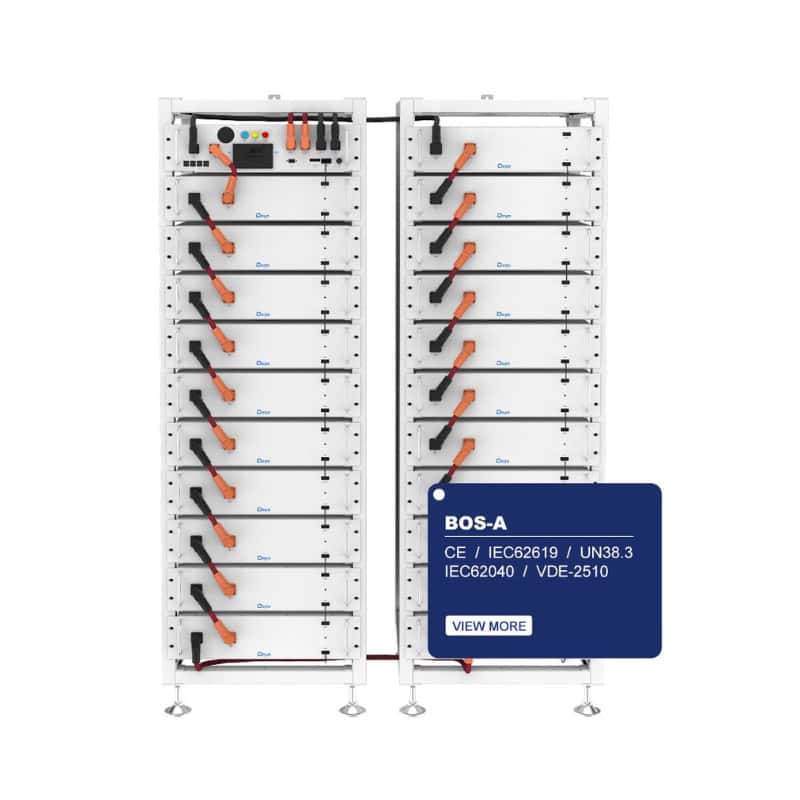
Solar batteries store energy for later use.
They keep lights on at night.
They also provide backup during outages.
However, battery performance depends on one key factor.
That factor is depth of discharge in solar batteries.
Many people see it listed but ignore it.
That mistake can shorten battery life.
It can also reduce system value.
In this guide, we explain depth of discharge clearly.
We show why it matters.
Finally, we help you use it wisely.
What Is Depth of Discharge in Solar Batteries?
Depth of discharge, often called DoD, shows usage level.
It tells how much battery energy has been used.
It is expressed as a percentage.
For example, 50% DoD means half the battery is used.
100% DoD means the battery is fully drained.
Therefore, DoD shows how deeply a battery is discharged.
In contrast, state of charge shows what remains.
Both values work together.
However, DoD focuses on usage.
Why Depth of Discharge Matters
Depth of discharge affects battery health.
Deeper discharge causes more stress.
Shallow discharge extends lifespan.
Manufacturers design batteries with limits.
Exceeding those limits causes damage.
As a result, understanding DoD protects your investment.
In addition, DoD affects usable energy.
Higher DoD means more usable power.
Therefore, balance is essential.
Depth of Discharge vs State of Charge
These two terms often confuse people.
They describe opposite perspectives.
However, both describe battery condition.
- State of charge shows remaining energy
- Depth of discharge shows used energy
For instance, 80% state of charge equals 20% DoD.
Similarly, 10% state of charge equals 90% DoD.
In short, they are two sides of one coin.
Typical Depth of Discharge Levels
Different batteries allow different DoD levels.
Battery chemistry plays a major role.
Therefore, DoD limits are not universal.
Here are common examples:
- Lead-acid batteries: 50% DoD
- AGM batteries: 60–70% DoD
- Lithium-ion batteries: 80–100% DoD
Lithium batteries allow deeper discharge.
As a result, they offer more usable energy.
How Depth of Discharge Affects Battery Lifespan
Battery lifespan depends on usage depth.
Deeper discharge reduces cycle life.
Shallower discharge increases longevity.
For example, a lead-acid battery may deliver:
- 500 cycles at 50% DoD
- 300 cycles at 80% DoD
Lithium batteries handle deep cycles better.
However, even lithium benefits from moderation.
Therefore, smart usage extends life.
Relationship Between DoD and Cycle Life
Cycle life measures total charge cycles.
Each cycle includes discharge and recharge.
Depth of discharge defines cycle intensity.
Shallow cycles are gentler.
Deep cycles are harsher.
Consequently, cycle life decreases as DoD increases.
Manufacturers publish DoD-based cycle charts.
These charts help predict lifespan.
Always review them before buying.
Depth of Discharge and Usable Capacity
Usable capacity depends on DoD limits.
A battery may have large total capacity.
However, DoD restricts usable energy.
For example, a 10 kWh battery:
- At 50% DoD gives 5 kWh
- At 90% DoD gives 9 kWh
Therefore, higher DoD increases usable storage.
However, it may reduce longevity.
Balance remains the key.
Battery Types and Their DoD Characteristics
Different battery types handle DoD differently.
Understanding these differences helps selection.
Lead-Acid Batteries
Lead-acid batteries are traditional.
They are affordable but limited.
They dislike deep discharge.
Key characteristics include:
- Recommended 50% DoD
- Shorter lifespan at higher DoD
- Larger physical size
Therefore, they suit backup systems.
Lithium-Ion Batteries
Lithium-ion batteries dominate modern solar systems.
They handle deep discharge well.
They also offer stable performance.
Key advantages include:
- 80–100% DoD capability
- Longer cycle life
- Higher efficiency
As a result, they maximize usable energy.
Real-Life Example Scenario
Consider a home solar system.
The homeowner installs a 10 kWh battery.
The battery allows 90% DoD.
That means 9 kWh usable energy.
The home uses 7 kWh nightly.
The battery handles this comfortably.
If the DoD were only 50%, usable energy drops.
The home would need two batteries.
Therefore, DoD impacts system design.
How to Choose the Right Depth of Discharge
Choosing DoD depends on goals.
Different users have different priorities.
Therefore, consider these factors carefully.
Ask yourself:
- Do I want maximum lifespan?
- Do I need maximum usable energy?
- Is daily cycling required?
For daily solar use, higher DoD helps.
For occasional backup, lower DoD works.
In short, match DoD to usage.
Best Practices for Managing Depth of Discharge
Smart management protects batteries.
It also improves system reliability.
Follow these best practices:
- Avoid full discharge whenever possible
- Set inverter discharge limits
- Monitor battery usage regularly
- Use battery management systems
Additionally, keep batteries cool.
Temperature affects DoD tolerance.
Common Mistakes Related to DoD
Many users misunderstand DoD limits.
These mistakes happen often:
- Draining lead-acid batteries too deeply
- Ignoring manufacturer DoD recommendations
- Confusing DoD with capacity
- Over-sizing or under-sizing systems
Learning what is the depth of discharge in solar batteries prevents these errors.
Consequently, systems perform better.
Benefits of Understanding Depth of Discharge
Understanding DoD brings real benefits.
It improves planning and performance.
Key benefits include:
- Longer battery lifespan
- Better system efficiency
- Accurate capacity planning
- Lower replacement costs
Similarly, it builds confidence.
You make informed decisions easily.
Conclusion
Depth of discharge defines battery usage limits.
It shows how much energy you can safely use.
It also affects lifespan and performance.
Understanding depth of discharge in solar batteries is essential.
It helps balance usable energy and durability.
In addition, it protects your investment.
When you respect DoD limits, batteries last longer.
Systems work better.
Money is saved
Final Thought
Solar batteries are powerful tools.
However, they require smart handling.
Learn your battery’s depth of discharge.
Use it wisely for lasting energy freedom.