Solar energy is changing how we power homes.
More people now rely on solar batteries daily.
However, safety is often overlooked.
That can lead to damage or danger.
Therefore, understanding solar battery safety tips every user should know is essential.
Solar batteries store powerful energy.
When handled well, they are safe and reliable.
When ignored, they can cause serious issues.
For instance, overheating or fire risks may appear.
In short, smart safety habits protect people and property.
What Is a Solar Battery and Why Safety Matters
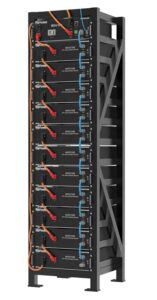
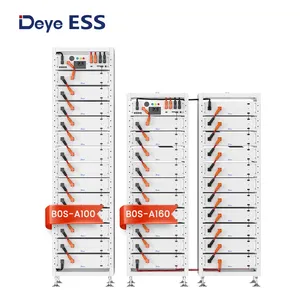
A solar battery stores energy from solar panels.
That energy is later used when sunlight fades.
For example, during nights or power outages.
This makes solar systems more efficient and flexible.
However, stored energy always carries risk.
Safety matters because batteries hold chemical energy.
If damaged, that energy may release suddenly.
As a result, fires or toxic leaks may occur.
Therefore, proper use and care are critical.
Above all, safety protects your long-term investment.
Common Types of Solar Batteries
Different battery types require different care.
Knowing your type improves safety awareness.
In addition, it helps you follow correct guidelines.
Below are common solar battery types.
Lithium-Ion Batteries
Lithium-ion batteries are widely used today.
They are compact and highly efficient.
However, they are sensitive to heat.
Therefore, temperature control is vital.
In particular, proper ventilation reduces risks.
Lead-Acid Batteries
Lead-acid batteries are older but reliable.
They cost less than lithium options.
However, they need regular maintenance.
For instance, fluid levels require monitoring.
Also, they release gases during charging.
Saltwater and Flow Batteries
These are newer and eco-friendly options.
They avoid heavy metals and toxic chemicals.
As a result, they are generally safer.
However, they are larger and less common.
Still, safety checks remain necessary.
Key Components That Affect Battery Safety
Solar batteries include several critical parts.
Each part plays a safety role.
Understanding them helps prevent problems.
Furthermore, it improves system performance.
Below are key components to watch.
- Battery cells that store energy
- Battery management systems (BMS)
- Inverters that convert power
- Cables and connectors
- Cooling and ventilation systems
For example, a faulty cable may overheat.
Similarly, a failed BMS may cause overcharging.
Therefore, routine inspections are important.
In short, every component matters.
Installation Safety Tips Every User Should Know
Proper installation is the first safety step.
Poor setup causes many battery failures.
Therefore, never rush this stage.
Above all, professional installation is recommended.
It ensures compliance with safety standards.
Installation Best Practices
- Hire certified solar installers
- Follow manufacturer guidelines strictly
- Install in a dry, cool location
- Avoid direct sunlight exposure
- Ensure proper airflow around batteries
For instance, garages often work well.
However, they must stay well ventilated.
In contrast, cramped closets are risky.
As a result, heat buildup may occur.
Therefore, location choice matters greatly.
Daily Usage Safety Tips
Safe daily habits reduce long-term risks.
Many users forget this step.
However, small actions make big differences.
For example, monitoring system alerts helps.
In addition, unusual sounds should not be ignored.
Smart Daily Practices
- Check system status regularly
- Keep area clean and clutter-free
- Avoid placing flammable items nearby
- Listen for buzzing or clicking sounds
- Watch for warning lights or error messages
If something seems wrong, act quickly.
Consequently, early action prevents damage.
Meanwhile, ignoring signs increases danger.
Therefore, stay alert at all times.
Safety starts with awareness.
Charging and Discharging Safety Guidelines
Charging behavior affects battery health.
Overcharging can cause overheating.
On the other hand, deep discharging reduces lifespan.
Therefore, balance is key.
Most systems automate this process.
However, users should still understand limits.
For instance, avoid manual overrides without guidance.
Also, use compatible chargers only.
In contrast, cheap replacements may fail.
As a result, fire risks increase.
Maintenance and Inspection Tips
Regular maintenance keeps batteries safe.
It also improves efficiency.
Many issues start small.
Therefore, inspections catch problems early.
In short, maintenance saves money and stress.
Maintenance Checklist
- Inspect cables for wear
- Clean dust and debris monthly
- Check temperature readings
- Review software updates
- Schedule annual professional inspections
For lead-acid batteries, check fluid levels.
Similarly, tighten loose connections when found.
Additionally, record maintenance activities.
This helps track changes over time.
Consistency is key.
Fire Prevention and Emergency Preparedness
Fire safety deserves special attention.
Although rare, battery fires can occur.
Therefore, preparation matters.
Knowing what to do saves lives.
Above all, stay calm during emergencies.
Fire Safety Tips
- Install smoke detectors nearby
- Keep a Class C fire extinguisher
- Never use water on battery fires
- Know emergency shutdown procedures
- Keep emergency contacts accessible
If smoke appears, evacuate immediately.
Then, call emergency services.
In contrast, trying to fix it alone is dangerous.
As a result, injuries may occur.
Safety always comes first.
Environmental and Disposal Safety
Solar batteries do not last forever.
Eventually, disposal becomes necessary.
Improper disposal harms the environment.
Therefore, follow approved recycling programs.
This is both safe and responsible.
Many manufacturers offer take-back programs.
Additionally, local recycling centers may help.
For instance, lithium batteries require special handling.
In short, never throw batteries in regular trash.
Responsible disposal protects everyone.
Benefits of Following Solar Battery Safety Tips
Safe practices offer many advantages.
They go beyond accident prevention.
For example, systems last longer.
Also, performance stays consistent.
Therefore, safety equals value.
Key Benefits
- Reduced fire and injury risks
- Longer battery lifespan
- Better energy efficiency
- Lower repair costs
- Peace of mind
In addition, insurance compliance improves.
Similarly, property value may increase.
As a result, safety pays off.
It benefits users and families alike.
In short, it is worth the effort.
Conclusion
Solar batteries empower energy independence.
However, safety must remain a priority.
By following solar battery safety tips every user should know, risks decrease.
Furthermore, system reliability improves.
Safe habits protect people, homes, and investments.
Understanding battery types helps greatly.
Proper installation prevents early failures.
Daily monitoring catches issues quickly.
Maintenance ensures long-term performance.
Therefore, safety is an ongoing process.
Final Thought
Solar power represents a cleaner future.
Safety ensures that future stays bright.
Take time to review your system today.
Apply these tips consistently.
Your energy journey deserves protection.