Solar power is growing fast. However, many homeowners still wonder how to store the energy their panels produce. Solar battery storage solves that challenge. It gives you control, flexibility, and peace of mind. In addition, it allows you to capture sunlight during the day and use it whenever you need it. As a result, you get more value from every ray of sun that hits your roof.
In this guide, you’ll learn what solar storage is, why it matters, and how it works. You’ll also discover key battery types, important features, real-world benefits, and smart tips for choosing the best setup. By the end, you’ll feel confident about making a smart energy decision for your home or business.
What Is Solar Battery Storage?
Solar battery storage is a system that stores excess power generated by solar panels. Instead of sending unused electricity back to the grid, your battery keeps it for later. For example, it can power your home in the evening, during peak-price hours, or when the grid goes down.
How It Works (Simple Breakdown)
- Solar panels generate electricity.
- Your home uses what it can immediately.
- Excess energy flows to the battery.
- The battery powers your home when needed.
This process happens automatically. In addition, modern systems track power use and adjust accordingly.
Why Solar Battery Storage Matters Today
Solar battery storage is growing in importance for several major reasons.
1. Rising Energy Costs
Electricity rates increase almost every year. Consequently, more homeowners want predictable bills. Batteries offer that stability by reducing your need for grid power.
2. More Grid Outages
Extreme weather creates longer and more frequent blackouts. Solar storage gives you backup power even when the grid fails. For instance, it can keep your refrigerator, lights, and essential devices running.
3. Better Use of Clean Energy
Without a battery, you lose some solar value. Batteries allow you to use more green energy and rely less on fossil fuels.
4. Incentives and Rebates
Many regions offer tax credits, rebates, and incentives for installing solar battery systems. As a result, storage has become more affordable than ever.
Types of Solar Battery Storage Systems
Choosing the right battery matters. Below are the most common options.
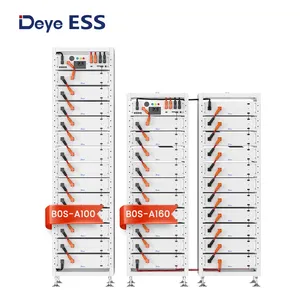
1. Lithium-Ion Batteries
Lithium-ion batteries dominate the solar industry today. They are the most efficient and compact option.
Advantages:
- High energy density
- Long lifespan
- Low maintenance
- Safe and reliable
Best for: most homes and small businesses.
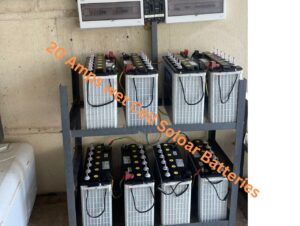
2. Lead-Acid Batteries
These batteries have been around for decades. They cost less upfront. However, they offer shorter lifespans.
Advantages:
- Affordable
- Proven technology
Disadvantages:
- Require maintenance
- Shorter life
- Less usable capacity
Best for: budget projects or off-grid cabins.
3. Flow Batteries
Flow batteries use liquid electrolyte tanks. They last a long time. Also, they allow deep discharge without much wear.
Advantages:
- Long cycle life
- Good for large systems
Disadvantages:
- Higher cost
- Larger footprint
Best for: commercial setups or large off-grid homes.
4. Saltwater Batteries
These eco-friendly batteries use non-toxic materials. In addition, they are fully recyclable.
Advantages:
- Safe
- Sustainable
Disadvantages:
- Limited availability
- Lower performance compared to lithium
Best for: environmentally focused users.
Key Components of a Solar Battery System
A solar storage system includes more than just a battery. Below are the essential parts.
1. The Battery
Stores energy for later use.
2. Inverter or Hybrid Inverter
Converts DC (from panels/batteries) to AC power for the home. A hybrid inverter handles both solar and battery power.
3. Battery Management System (BMS)
Protects the battery and regulates charging.
4. Backup Gateway or Transfer Switch
Allows the system to power your home during outages.
5. Monitoring Software
Provides real-time data on usage, charging, and savings.
Benefits of Solar Battery Storage
Solar battery storage offers several major advantages for homeowners and businesses.
1. Energy Independence
You rely less on the grid. As a result, you gain more control over your power costs.
2. Backup Power
A battery can keep essential devices running during blackouts. For example, it can power medical equipment, communication devices, or security systems.
3. Lower Utility Bills
With time-of-use (TOU) rates, electricity is expensive during peak hours. Your battery can discharge during those times, saving you money.
4. Better Solar Efficiency
Storage ensures none of your solar power goes to waste. Additionally, it increases your return on investment.
5. Environmental Impact
Using more solar reduces reliance on fossil fuels. Consequently, your home becomes greener.
How to Choose the Right Solar Battery Storage System
Use these tips to select the right system for your needs.
1. Know Your Energy Goals
Ask yourself:
- Do I want backup power?
- Do I want lower bills?
- Do I want full off-grid capability?
Knowing these answers helps you choose the right capacity.
2. Check Battery Capacity and Power Ratings
Capacity is how much energy the battery holds. Power rating is how much it can deliver at once. For example, a battery with high capacity but low power may run longer but power fewer devices at one time.
3. Look at Depth of Discharge (DoD)
Higher DoD means you can use more of the battery’s capacity safely.
4. Compare Warranties
Most lithium-ion batteries offer 10–15-year warranties. Look for systems that guarantee at least 60–70% of original capacity after the warranty period.
5. Consider Scalability
Some systems let you add more batteries later. This flexibility helps if your energy needs grow.
6. Review Local Incentives
Check for federal tax credits, state rebates, or utility programs. In addition, some areas offer virtual power plant (VPP) participation benefits.
Common Uses for Solar Battery Storage
Solar batteries help in many real-world situations.
1. Evening Power Use
Most families use more electricity at night. Batteries cover this demand easily.
2. Emergency Backup
A storm or outage can hit anytime. Batteries offer immediate support.
3. Off-Grid Living
Remote cabins or mobile homes rely on solar storage to stay powered.
4. EV Charging
Charging an electric vehicle with stored solar energy lowers costs further.
5. Peak Shaving
Businesses use batteries to reduce demand charges during busy periods.
Safety Tips for Solar Battery Storage
Solar batteries are safe when installed properly. However, you should follow these best practices.
- Hire certified installers.
- Keep batteries in ventilated spaces.
- Follow manufacturer maintenance guidelines.
- Update firmware regularly.
- Avoid overloading circuits.
- Monitor performance through the app.
- Keep the system clean and dry.
Real-World Example
Imagine a family with a 5 kW solar system. They add a 10 kWh battery. During the day, their panels power their appliances. Additionally, the system stores extra energy. At night, the battery runs lights, televisions, and basic appliances. On the other hand, if a power outage hits, their battery keeps essential circuits running. As a result, they enjoy lower bills, fewer interruptions, and greater peace of mind
Is Solar Battery Storage Worth It?
For many homeowners, yes. The value continues to grow each year. In addition, electricity rates rise and incentives get better. Batteries increase reliability, improve energy efficiency, and boost long-term savings. Above all, they offer independence.
However, every home is different. Your energy use, budget, and goals matter. Therefore, you should compare options and consider speaking with a professional.
Conclusion
Solar battery storage gives you freedom and control. It turns your solar system into a powerful, flexible energy solution. Furthermore, it helps you save money, protect your home, and reduce your environmental footprint. Whether you want lower bills or reliable backup, storage delivers. In short, it makes solar smarter.
Final Thought
If you want a more resilient home, consider adding solar battery storage. A simple upgrade today can create lasting comfort, savings, and peace of mind for years to come.