Nigeria’s business environment is full of potential. However, many companies struggle with one major obstacle: unreliable electricity. Power cuts slow work, increase costs, and limit productivity. As a result, many business owners rely on generators. Unfortunately, fuel prices rise often, and maintenance drains profits.
Solar energy offers a better path. It is clean. It is steady. It is cheaper in the long run. And most importantly, it works well in Nigeria because the country enjoys strong sunlight all year. In this article, we explore how solar energy can power your business in Nigeria, why it matters today, and how you can start with confidence.
Why Solar Energy Matters for Nigerian Businesses
1. Nigeria Has High Solar Potential
Nigeria receives an average of over 6 hours of daily sunlight in most regions. This means businesses can generate plenty of clean energy. As a result, solar systems offer impressive performance year-round.
2. Generator Costs Keep Rising
Generators may seem convenient. However, fuel, servicing, and repairs add up quickly. For many small and medium businesses, generator costs account for 30% or more of operational expenses. In contrast, solar energy reduces energy costs from day one.
3. Power Outages Disrupt Growth
Frequent outages slow production. Retail stores stay dark. Cold rooms fail. Offices pause work. As a result, businesses lose money. Solar systems provide consistent power and allow daily operations to continue smoothly.
How Solar Energy Can Power Your Business in Nigeria
Solar power systems work by capturing sunlight and converting it into electricity. Although the technology may seem complex, the idea is simple. Below, we break down the major parts and how they support your operations.
Key Components of a Solar Power System
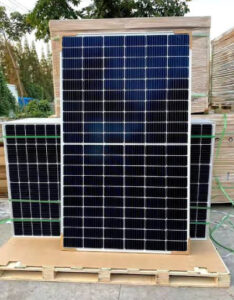
1. Solar Panels
These panels capture sunlight and convert it to direct current (DC). They come in different types, but the two most common are:
- Monocrystalline panels – high efficiency, long-lasting.
- Polycrystalline panels – more affordable, slightly lower efficiency.
2. Inverter
The inverter converts DC power into alternating current (AC). Your machines, computers, and appliances run on AC. A good inverter ensures smooth and stable electricity.
3. Battery Storage
This is where stored energy lives. When the sun goes down, your business continues running on battery power. Lithium batteries last longer, while lead-acid options cost less upfront.
4. Charge Controller
This device protects the batteries from overcharging. It improves battery lifespan and keeps the system working safely.
Types of Solar Solutions for Nigerian Businesses
Different businesses need different power solutions. Here are the major categories:
1. Solar Backup System
This supports your grid supply.
Best for: offices, shops, clinics.
Benefits
- Keeps critical equipment on.
- Reduces generator use.
- Smooth transition during power cuts.
2. Full Off-Grid Solar System
This system runs without the grid.
Best for: rural businesses, farm operations, remote offices.
Benefits
- Zero dependency on the national grid.
- Lower long-term costs.
- Suitable for locations without public power.
3. Hybrid Solar Solution
This combines solar, grid, and generator power.
Best for: hotels, factories, supermarkets.
Benefits
- Improved flexibility.
- High reliability.
- Works with heavy loads.
Benefits of Using Solar Energy for Your Business in Nigeria
Below are reasons why many Nigerian entrepreneurs are switching to solar energy:
1. Lower Electricity Costs
Solar energy cuts power bills drastically. Furthermore, it protects you from fuel price hikes. After the first installation, running costs stay low.
2. Business Continuity During Outages
Your business stays open even when the grid goes down. As a result, you avoid losses and improve customer trust.
3. Cleaner and Safer Energy
Solar systems produce no fumes. Unlike generators, they reduce fire risks. They also support your corporate social responsibility (CSR) goals.
4. Low Maintenance
Solar panels require minimal care. Also, modern batteries and inverters run smoothly with occasional checks.
5. Long-Term Return on Investment
A good solar system can last 15 to 25 years. The savings over time often outweigh the initial investment.
6. Improved Brand Image
Many customers prefer eco-friendly businesses. Solar energy shows innovation and responsibility.
Realistic Examples of Solar Energy in Nigerian Businesses
1. Retail Shops
A small shop in Abuja may spend ₦45,000 monthly on generator fuel. By adding a 2 kVA solar backup, the shop reduces fuel use by 70%. The owner saves money every month.
2. Bakeries
Bakeries need steady power for mixers, freezers, and ovens. A hybrid solar setup ensures that ovens run on the grid or generator, while lights, fans, and freezers run on solar.
3. Farms and Agribusinesses
Solar pumps help farmers irrigate all year. Cold rooms powered by solar protect produce from spoilage. As a result, farm waste reduces, and profit rises.
4. Offices and Tech Hubs
Solar keeps laptops, routers, and monitors running. Teams work smoothly during outages. As a result, productivity grows.
How to Choose the Right Solar System for Your Business
Choosing the right system matters. Below are the key steps:
1. Conduct an Energy Audit
List your appliances. Check their watt ratings. This helps determine your energy needs.
2. Set a Budget
Solar systems come in different sizes. Pick one that meets your budget and future load expansion.
3. Select the Right Components
Choose trusted brands with good warranties.
Key items to consider:
- Panel quality
- Battery type
- Inverter capacity
- Installation standards
4. Work With Certified Installers
Avoid cheap, poor-quality installations. Also, ask for load analysis. Request maintenance support too.
5. Start Small if Needed
You can begin with a backup solution and expand later. Many Nigerian businesses use this approach successfully.
Practical Tips for Running a Solar-Powered Business in Nigeria
- Use energy-efficient appliances to lower your load.
- Clean your panels monthly, especially during the dry season.
- Avoid overloading your inverter to protect your system.
- Schedule annual maintenance for best performance.
- Track your battery health using monitoring apps or indicators.
- Install surge protectors to safeguard equipment.
Common Questions About Solar Energy for Businesses
1. Is solar energy expensive?
The initial cost feels high. However, long-term savings quickly recover the investment. Many SMEs breakeven within 2–5 years.
2. Can solar run heavy machinery?
Yes, but you need a hybrid or large-capacity system. Many factories in Nigeria already use solar for lighting, offices, and support equipment.
3. What if there is no sun?
Batteries store power for night use. In cloudy weather, the system still generates energy, though slightly reduced.
Conclusion
Solar energy is no longer a luxury. It is now a practical solution for Nigerian businesses. It cuts costs. It improves productivity. Furthermore, it protects you from outages and rising fuel prices. As a result, more companies across Nigeria are adopting solar systems every year.
If you want steady power, cleaner energy, and long-term savings, solar is a smart choice. Start now. A reliable solar plan today can secure your business future tomorrow.
Final Thought
Energy shapes business success. When you invest in solar, you invest in stability, growth, and peace of mind. Take the first step today, even if it is small. Your business will thank you in the years ahead.