Solar power is becoming one of the simplest ways to cut energy bills and reduce carbon footprints. Yet many people still wonder how solar panels actually turn sunlight into usable power. The answer starts with the solar inverter. This small but vital device converts raw solar energy into electricity your home or business can use every day. In this guide, we break down solar inverters in simple terms, explain the different types, and show why they matter more than most people realize.
What Is a Solar Inverter?
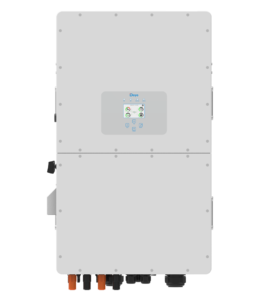
A solar inverter is the device that converts DC (direct current) power from solar panels into AC (alternating current) power used in homes and the grid. Without an inverter, your panels would create energy you cannot use.
Solar panels produce DC electricity. Your home runs on AC electricity. The solar inverter acts as the translator. It ensures the power is safe, stable, and ready for use.
Why Solar Inverters Matter
Solar inverters do more than convert energy. They also:
- Monitor energy output
- Improve energy efficiency
- Protect the system from faults
- Communicate with apps or monitoring tools
- Support battery storage when connected
In short, the inverter is the brain of your solar system. It also determines how well your system performs over the years.
How Solar Inverters Work—In Simple Terms
Let’s keep this simple. Here’s the general process:
- Solar panels collect sunlight and produce DC electricity.
- The inverter receives that DC output.
- It converts the DC power into AC power.
- The AC power flows into your home or goes to the grid.
- Excess energy may charge a battery or earn credits through net metering.
This flow happens quickly and smoothly. You never notice the conversion happening. However, the quality of your inverter affects the quality of the power you receive.
Types of Solar Inverters
There are several types of solar inverters. Each one serves a different need. Understanding them helps you choose the best option for your home or business.
1. String Inverters
String inverters are the most traditional and common type. They link several solar panels together in a “string.” All panels send their power to one central inverter.
How They Work
All panels produce DC power and send it along one path to a main inverter. That inverter then converts the power.
Advantages
- Lower cost
- Simple design
- Easy installation
- Ideal for open roofs with full sun
Disadvantages
- One weak panel affects the entire string
- Lower performance on shaded roofs
- Less control over individual panel output
Best For
Homes with simple, sunny roof layouts and minimal shading.
2. Microinverters
Microinverters work differently. Instead of using one large inverter, the system uses small inverters attached to each panel. Each panel works independently.
Advantages
- Higher efficiency
- Great for roofs with partial shade
- Panel-level monitoring
- Better performance in cloudy or low-sun conditions
Disadvantages
- Higher cost
- Slightly more complex installation
Best For
Homes with shade, multiple roof angles, or homeowners who want maximum energy output.
3. Power Optimizers (Hybrid Option)
Power optimizers sit between panels and a central inverter. They help each panel work at its best, even if one is shaded.
How They Work
Each panel has an optimizer that conditions the DC power. Then the main inverter converts it into AC.
Advantages
- Great for shaded roofs
- Less expensive than microinverters
- High efficiency
- Panel-level tracking
Disadvantages
- Still relies on a central inverter
- More components to maintain
Best For
Homes that want a balance between cost and performance.
4. Hybrid Inverters
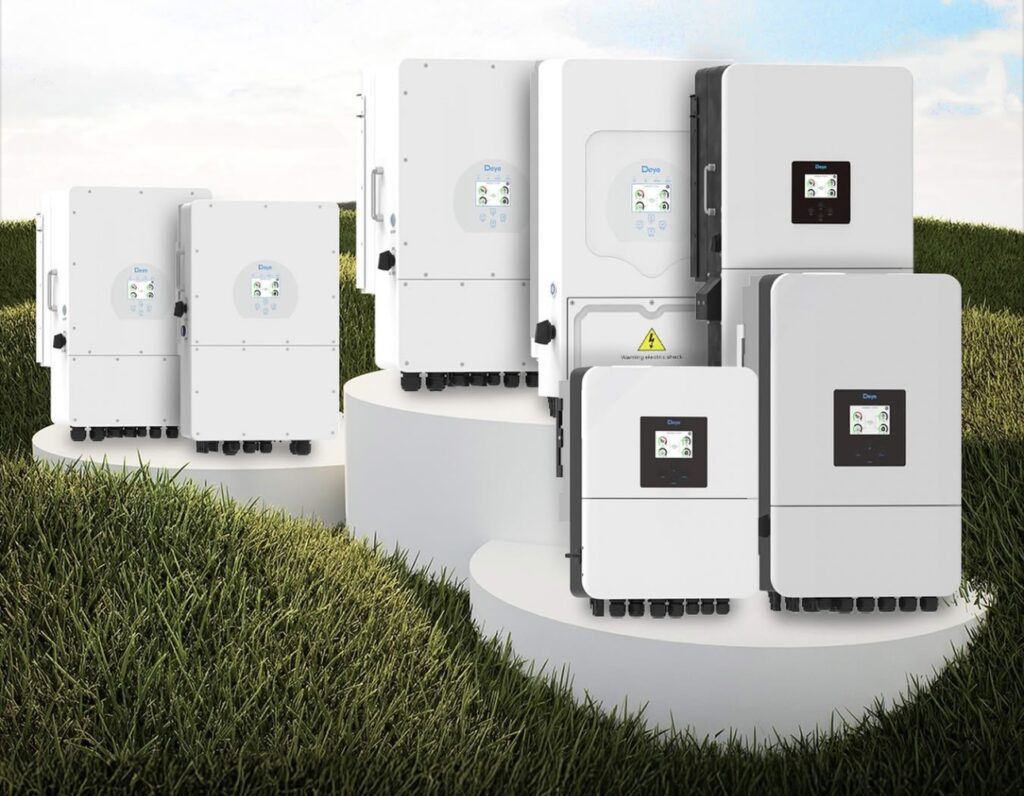
Hybrid inverters are designed for solar systems with battery storage. They manage solar power, battery power, and grid power together.
Advantages
- Works with battery systems
- Offers backup power during outages
- Smart features for energy management
Disadvantages
- Higher cost
- Requires battery-compatible design
Best For
Homes planning to add a battery or wanting backup power security.
5. Off-Grid Inverters
Off-grid inverters support homes that are not connected to the utility grid. They must work with solar panels and batteries to power the entire home.
Advantages
- Full energy independence
- Works with large battery banks
Disadvantages
- Expensive
- Complex design
- Requires careful planning and sizing
Best For
Remote areas, cabins, farms, or anyone seeking true off-grid living.
Key Benefits of Solar Inverters
Solar inverters offer several important benefits. These advantages make them essential for safe, stable, and efficient solar energy.
1. Clean, Usable Energy
Solar inverters turn raw solar power into clean, usable energy for your home. Without this conversion, your system would be useless.
2. Higher Efficiency
Modern inverters optimize how much power you get from your panels. For example, microinverters and optimizers help you capture more energy even on cloudy days.
3. Safety and Protection
Inverters constantly check for system faults. They shut off dangerous electrical flows, protect your home, and meet safety regulations.
4. Smart Monitoring
Many modern inverters include apps or dashboards. You can track:
- Daily energy production
- Panel-level performance
- Battery status
- System efficiency
This data helps you understand your energy use and find issues early.
5. Better Compatibility With Batteries
Hybrid inverters allow a smooth connection to battery storage. They manage when your battery charges, discharges, and supports your home.
6. Long-Term Savings
Efficient inverters increase your total solar output. As a result, you save more money over time and reduce your reliance on the grid.
How to Choose the Right Solar Inverter
Choosing the right solar inverter is important. The right choice ensures high performance and long-term reliability.
Here are simple steps to guide your choice.
1. Know Your Roof Conditions
Ask yourself:
- Do you have shade?
- Do panels face different directions?
- Is the roof large and open?
If you have shade or several angles, microinverters or optimizers are best.
2. Check Your Energy Goals
Do you want:
- Maximum output?
- A lower upfront cost?
- Battery backup?
- Future expansion?
Your goals shape your inverter choice.
3. Consider Battery Plans
If you plan to add a battery, choose:
- A hybrid inverter
- A battery-ready central inverter
This avoids costly upgrades later.
4. Review Warranty and Brand Reputation
Most good inverters offer 10–25-year warranties. A strong warranty brings peace of mind.
5. Look for Smart Features
Many modern inverters offer:
- App monitoring
- Wi-Fi connectivity
- Real-time data
- Overload protection
- Remote troubleshooting
These features improve your overall solar experience.
Common Mistakes to Avoid
Avoiding mistakes saves money and keeps your solar system running smoothly.
Key Mistakes
- Choosing the cheapest inverter
- Ignoring roof shading
- Skipping monitoring tools
- Not sizing the inverter correctly
- Forgetting future battery plans
A well-chosen inverter leads to better performance for decades.
Real-World Example
Consider a home with a large tree in the backyard. The roof gets shade in the morning. A string inverter system would produce less energy because one shaded panel limits the whole string. However, a microinverter system would let each panel work independently. As a result, the homeowner could gain up to 20–25% more energy over a full year.
This simple difference shows why inverter selection matters.
Conclusion
Solar inverters play a central role in every solar power system. They convert DC to AC, manage energy flow, protect your home, and help you capture more power. The right inverter can boost efficiency, reduce long-term costs, and support future upgrades like battery storage.
Above all, choosing the right type—string, microinverter, optimizer, hybrid, or off-grid—ensures your system performs at its best. With the right information, you can make a smart, confident decision.
Final Thought
Solar power offers freedom, savings, and clean energy. The solar inverter is the key to unlocking all three. Take your time, explore the options, and choose the inverter that matches your home and goals. Your future energy system will thank you.