
Solar power is growing fast.
Homes now produce their own energy.
Batteries store that power for later use.
However, not all batteries perform the same. Many homeowners notice one thing quickly: solar lithium batteries charge faster than traditional battery types.
Why does this happen?
The answer lies in chemistry, design, and smart solar technology.
In this guide, we will explain why solar lithium batteries charge faster, how they work, and why they are ideal for modern solar energy systems. Let’s break it down in simple terms.
What Are Solar Lithium Batteries?
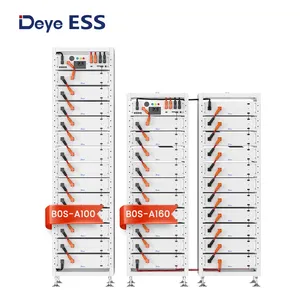
Solar lithium batteries are rechargeable batteries designed to store energy from solar panels. Most use lithium-ion or lithium iron phosphate (LiFePO4) chemistry.
They are commonly used in:
- Residential solar systems
- Off-grid cabins
- RV and marine setups
- Commercial solar storage
- Backup power systems
For example, companies like Tesla offer the Powerwall, a lithium-based solar battery system. Similarly, LG Energy Solution produces lithium batteries for home energy storage.
These systems charge during the day and power homes at night.
How Solar Charging Works
To understand why solar lithium batteries charge faster, we must first understand the charging process.
Here’s how it works:
- Solar panels capture sunlight.
- Panels convert sunlight into DC electricity.
- A solar charge controller regulates the voltage.
- The battery stores the energy.
During peak sunlight hours, solar panels can generate high power levels. Therefore, the battery must absorb energy efficiently.
This is where lithium technology shines.
Why Solar Lithium Batteries Charge Faster
Now let’s explore the core reasons.
1. Higher Charge Acceptance Rate
Lithium batteries have a high charge acceptance rate. That means they can absorb energy quickly without damage.
In contrast, lead-acid batteries must charge slowly. Otherwise, they overheat or degrade.
Because solar production changes throughout the day, fast energy absorption matters. Consequently, lithium batteries capture more of the available sunlight.
2. Low Internal Resistance
Low resistance allows smooth energy flow.
Lithium batteries have much lower internal resistance than traditional lead-acid batteries. As a result:
- More current flows safely
- Less heat builds up
- Charging efficiency improves
Meanwhile, higher resistance in other batteries slows the process.
This is a major reason why solar lithium batteries charge faster in real-world systems.
3. Efficient Energy Conversion
Solar systems rely on efficiency.
Lithium batteries often operate at 95% or higher efficiency. In contrast, lead-acid batteries may operate at 70–85%.
That difference matters.
For example:
- If your panels produce 5 kWh
- A lithium battery may store 4.75 kWh
- A lead-acid battery may store only 4 kWh
Therefore, lithium batteries waste less solar energy.
4. Faster Bulk Charging Phase
Lithium batteries charge in two stages:
- Constant Current (bulk phase)
- Constant Voltage (top-off phase)
The bulk phase is very fast. Lithium batteries can remain in this phase longer than lead-acid batteries.
Consequently, most of the charging happens quickly. This is especially useful during short winter days when sunlight is limited.
5. Advanced Battery Management Systems (BMS)
Modern solar lithium batteries include smart monitoring systems.
A BMS controls:
- Temperature
- Voltage balance
- Charging speed
- Safety protection
For instance, companies like BYD integrate advanced management systems in their solar storage solutions.
Because of this technology, lithium batteries can safely accept higher charging currents. Therefore, they charge faster without compromising lifespan.
Comparing Solar Lithium vs Lead-Acid Batteries
Let’s compare both clearly.
Lead-Acid Batteries
- Lower charge efficiency
- Slower bulk charging
- Higher maintenance
- Sensitive to partial charging
- Heavier and larger
Charging can take many hours. In addition, incomplete charging reduces lifespan.
Solar Lithium Batteries
- High charge acceptance
- Low internal resistance
- Maintenance-free
- Lightweight design
- Long cycle life
As a result, lithium batteries outperform lead-acid in nearly every solar application.
Real-World Example: A Home Solar System
Imagine a home with:
- 6 kW solar panels
- 10 kWh battery storage
On a sunny day, the panels produce strong output between 10 a.m. and 2 p.m.
With a lithium battery:
- The system absorbs energy quickly
- Battery fills before sunset
- Extra energy may go back to the grid
With lead-acid:
- Charging slows as battery fills
- Some solar energy may go unused
- Efficiency drops
Therefore, homeowners often choose lithium systems.
Types of Solar Lithium Batteries
There are different lithium chemistries used in solar storage.
1. Lithium-Ion (NMC)
- High energy density
- Compact design
- Common in residential systems
2. Lithium Iron Phosphate (LiFePO4)
- Extremely safe
- Long lifespan
- Stable under heat
LiFePO4 is especially popular for off-grid systems.
Both types support fast charging. However, LiFePO4 is often preferred for solar because of safety and durability.
Benefits of Faster Charging in Solar Systems
Why does faster charging matter?
Here are key benefits:
- Maximizes sunlight usage
- Reduces energy waste
- Improves system efficiency
- Supports energy independence
- Handles cloudy weather better
Above all, it ensures reliable nighttime power.
Practical Tips to Improve Solar Lithium Charging
Want the best performance?
Follow these simple tips:
- Install high-quality solar charge controllers
- Ensure proper wiring size
- Avoid extreme heat exposure
- Keep firmware updated
- Size your battery correctly
In particular, correct sizing is crucial. An undersized battery fills too fast and wastes energy. An oversized battery may not charge fully in winter.
Balance is key.
Safety Considerations
Although solar lithium batteries charge faster, safety remains important.
Keep these points in mind:
- Use certified equipment
- Install professional wiring
- Ensure proper ventilation
- Monitor battery temperature
- Follow manufacturer guidelines
Fortunately, modern systems are designed with multiple safety layers.
Why This Matters for the Future of Solar Energy
Solar energy adoption is increasing worldwide.
Faster battery charging supports:
- Off-grid living
- Emergency backup systems
- Electric vehicle charging
- Smart home integration
Similarly, energy storage demand continues to grow. Lithium technology plays a central role in that expansion.
As a result, solar lithium batteries are becoming the standard choice.
Conclusion
So, why solar lithium batteries charge faster?
The reasons are clear:
- High charge acceptance rate
- Low internal resistance
- Superior efficiency
- Advanced battery management
- Optimized charging cycles
Together, these features allow faster, safer, and more efficient solar energy storage.
Therefore, for homeowners and businesses alike, lithium is often the smarter investment.
Final Thought
Solar power gives freedom.
Lithium storage makes it practical.
If you are planning a solar system, consider how fast and efficiently your battery charges. Because in solar energy, every ray of sunlight counts.
