Energy costs keep rising. Many homeowners feel the pressure every month. So the question appears again and again: can solar system save me money?
The short answer is yes. However, the long answer offers deeper insight, practical steps, and real savings strategies. In this post, we explore how solar power works, why it reduces bills, and what factors affect your final savings. Additionally, you will learn how to estimate your payback period, how incentives work, and how to choose the right system. By the end, you will know if solar fits your home, budget, and long-term goals.
How Solar Systems Actually Save Money
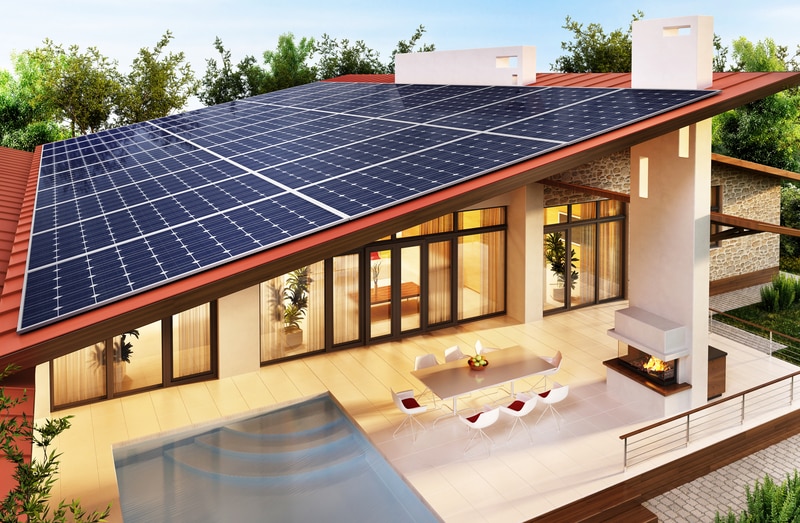
Solar panels generate electricity from sunlight. This simple idea offers a profound financial benefit. Every kilowatt-hour your system produces is one you do not buy from the grid. Therefore, your monthly bill drops almost immediately.
1. Lower Monthly Electricity Bills
This is the biggest reason people switch. When your panels create energy, your home uses that energy first. As a result, your reliance on utility power shrinks.
Savings depend on several factors:
- Your roof size
- Your sunlight hours
- Your panel efficiency
- Your local utility rate
For example, homes in sunny states like Arizona and Nevada see fast savings because power rates are high and sunlight is abundant. Meanwhile, homes in cloudy regions still benefit, but the payback period may be slightly longer.
Regardless of location, most homeowners see noticeable bill reductions in the first few months.
2. Net Metering Credits
Net metering boosts savings further. When your system produces extra power, it flows back to the grid. In many areas, your utility must credit you for this extra energy.
Consequently, your bill may drop to nearly zero for part of the year. In some cases, you even build credit for future months. This helps during winter, when sunlight hours fall.
3. Solar Incentives and Rebates
In addition to monthly savings, you can also access strong financial incentives. These lower your upfront cost and shorten your payback period.
Common incentives include:
- Federal Solar Investment Tax Credit (ITC)
- State rebates
- Local utility rebates
- Property tax exemptions
- Sales tax exemptions
For instance, the federal tax credit covers a large percentage of your solar installation cost. This significantly reduces overall expenses. However, incentive availability varies by state, so always check your local programs.
Key Components That Affect Solar Savings
To understand can solar system save me money, you must also know which components shape your total savings.
Solar Panels
Panel quality affects output. Higher-quality panels cost more, but they produce more energy and last longer. Therefore, they often offer better long-term value.
Inverters
Inverters turn DC power from your panels into AC power for your home. Microinverters cost more, but they perform well in shaded conditions. Meanwhile, string inverters are cheaper but slightly less efficient in mixed-light areas.
Battery Storage
Batteries allow you to store excess power. This helps during:
- Outages
- Nighttime use
- Peak utility hours
However, batteries add cost. So the financial return depends on local rates and grid stability. In high-rate regions, batteries can increase savings by avoiding expensive peak-time pricing.
Roof and Installation Costs
Your roof shape, material, and condition influence installation cost. If a roof needs repair, you should handle it before installing.
Although this adds to the upfront investment, it ensures your system lasts 25 years or more.
How Much Can the Average Homeowner Save?
Savings vary, but many homeowners save tens of thousands over the system’s lifetime. Let’s break it down.
Example Scenario: Typical U.S. Home
- Average monthly bill: $150
- Annual cost: $1,800
- Solar system reduces bill by ~70%
Estimated savings: about $1,260 per year
Over 25 years, that equals more than $30,000 in utility savings alone.
High-Rate Regions
States like California, Connecticut, and Hawaii often see even greater savings. Power prices climb quickly, so each kilowatt-hour from your panels becomes more valuable.
Low-Rate Regions
States with cheaper electricity, such as Idaho or Washington, still experience savings. However, the payback period may stretch a few more years. Still, solar remains a solid long-term investment, especially when incentives are available.
Factors That Influence Your Payback Period
Your payback period is the time it takes for your solar system to “pay for itself.” Many homeowners reach this milestone in 5–10 years.
1. Sunlight Exposure
More sunlight means more energy production. Good panel placement can reduce your payback period significantly.
2. System Size
A larger system generates more power but costs more upfront. Therefore, your installer will help you choose a size that matches your usage.
3. Utility Rates
Rates often rise every year. Solar helps you lock in predictable costs and avoid sudden increases. As rates rise, your solar savings grow.
4. Incentives
Strong incentives shorten the payback period dramatically. Always claim available federal and state credits.
Is Solar Worth It If You Are Not Home During the Day?
Many people think solar only helps when they are home during daylight. However, this is not true.
Why Solar Still Works
Even when you are away, your system keeps generating. Your home uses the power it needs. Then, extra power goes back to the grid. As a result, you earn net metering credits even while you are gone.
This means solar helps full-time workers, travelers, and retirees equally.
Long-Term Financial Benefits Beyond Energy Bills
Saving money is not only about monthly bills. Solar adds value in several deeper ways.
1. Higher Home Value
Homes with solar systems often sell for more. Buyers appreciate lower bills and long-term reliability. Because of this, you gain additional equity the moment your system is installed.
2. Hedge Against Inflation
Electricity prices rise over time. Solar allows you to avoid these increases. In short, solar is a long-term hedge against inflation.
3. Lower Maintenance Costs
Solar requires minimal upkeep. Rain cleans most panels naturally. Meanwhile, warranties cover major components for many years. Consequently, your long-term cost remains low.
Common Myths About Solar Cost
Myth 1: Solar Is Too Expensive
Upfront cost is higher, but incentives and financing make solar much more accessible. Many homeowners pay little or no money upfront with financing options.
Myth 2: Solar Does Not Work in Cloudy Regions
Solar works in cloudy areas. Germany, one of the top solar countries, receives far less sunlight than many U.S. states.
Myth 3: Solar Maintenance Is Complicated
Maintenance is simple and inexpensive. Most systems run smoothly for decades.
Tips for Maximizing Solar Savings
Want to save even more? Use these practical strategies.
- Choose high-efficiency panels
- Install panels facing south if possible
- Consider trimming trees for more sunlight
- Use energy-efficient appliances
- Add smart thermostats
- Monitor system performance monthly
- Compare financing options carefully
These steps help ensure your system performs at peak efficiency.
Steps to Get Started with Solar
If you want clarity on can solar system save me money, consider this simple roadmap.
1. Get a Free Energy Audit
Many companies offer audits. This reveals your usage patterns and potential solar output.
2. Review Your Roof
Check orientation, shading, and material. A clean, strong roof boosts production.
3. Request Multiple Quotes
Compare warranties, financing, and equipment. Different companies offer different packages.
4. Apply for Incentives
Submit your federal and state applications early. This reduces your final cost.
5. Install and Activate Your System
Installation usually takes one or two days. After inspection, your system goes live and starts saving you money immediately.
Conclusion
So, can solar system save me money? Yes—often far more than most homeowners expect. Solar reduces your monthly bills, increases your property value, and protects you from rising utility rates. Additionally, incentives help lower your cost and speed up your payback period. With the right system, you can save thousands and enjoy clean, reliable power for decades.
Final Thought
If you want long-term energy control, solar is a smart step. Take a moment today to explore local incentives, compare installers, and calculate your potential savings. A brighter financial future may be just one decision away.

