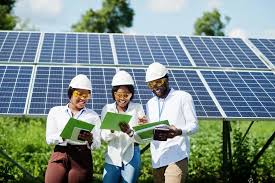
Solar energy is rising fast in Nigeria. In fact, many homes now see solar panels as a lifeline during long hours of blackout. Yet myths still slow down adoption. These myths spread easily. They create fear, confusion, and wasted opportunities. As a result, many Nigerians delay switching to solar even when it could save them money.
This article explores the biggest solar myths Nigerians still believe — and the truth behind them. You will learn what is real, what is not, and why solar is one of the smartest energy choices today.
Common Solar Myths Nigerians Still Believe
Myth 1: “Solar Only Works When There Is Hot Sun”
This is the most common myth. Many people think solar panels work only under intense heat. However, solar does not depend on heat. It depends on light.
The Truth
Solar panels generate electricity from sunlight, not temperature. Therefore, a bright but cool day can still produce strong power. Even cloudy days generate energy, though at lower levels.
Why This Myth Persists
- Nigeria’s climate is hot
- People assume heat equals energy
- Lack of basic solar awareness
Simple Example
Imagine placing your phone under the sun. It heats up, but it only charges when it is plugged in. The heat alone does nothing. Similarly, solar panels need light, not heat.
Myth 2: “Solar Cannot Power Freezers, ACs or Heavy Appliances”
Many Nigerians assume solar is too weak for big loads. They think solar is only for bulbs and fans.
The Truth
Solar can power almost any appliance if the system is properly sized. This includes:
- Freezers
- Refrigerators
- Air conditioners
- Water pumps
- Televisions
- Cookers (with large systems)
The limitation is not solar itself. It is the system design. A small system cannot power a heavy load. A correctly sized one can.
Why This Myth Persists
- Many people buy undersized systems
- Poorly trained technicians mislead clients
- Fake or low-quality products fail easily
Quick Tip
Always run a load assessment before buying solar. For example:
- AC (1 hp): about 800–1200W
- Freezer: 150–350W
- TV: 40–100W
When you know your load, you know what to buy. This prevents disappointment.
Myth 3: “Solar Is Too Expensive for Regular Nigerians”
It is true that solar requires upfront investment. However, many Nigerians exaggerate the cost.
The Truth
Solar is expensive only at the beginning. Over the years, it becomes far cheaper than fuel or diesel. In addition, costs have dropped by over 80% in the last decade worldwide. Solar is no longer a luxury.
Why This Myth Persists
- Many people compare initial cost only
- Awareness of payment plans is low
- Diesel and fuel are paid in bits, so they feel cheaper
Practical Scenario
An average household in Abuja spends:
- ₦20,000 on fuel monthly
- ₦240,000 yearly
- ₦1.2 million in 5 years
A good solar system of ₦500,000 saves that entire cost. Therefore, it pays for itself in less than 2–3 years.
Myth 4: “Solar Panels Get Damaged Easily in Nigerian Weather”
Some people believe heavy rain, harmattan dust, or heat will destroy solar panels.
The Truth
Quality solar panels last 25–30 years. They are built to survive heat, storms, dust, and rain. In fact, solar panels operate in hotter countries than Nigeria.
Many systems fail because of:
- Poor installation
- Fake panels
- Weak mounting structures
Simple Maintenance Tip
- Clean panels every 1–3 months
- Check mounting brackets twice a year
- Install panels at the right tilt
With basic care, panels last decades.
Myth 5: “You Cannot Use Solar at Night”
People think solar is daytime energy only. They assume nights must be dark.
The Truth
Solar works 24/7 with batteries. During the day, panels charge the batteries. At night, the batteries power the home.
Why This Myth Persists
- Some people install solar without batteries
- Others use small batteries that drain fast
- Many do not understand how inverters store energy
Battery Tips
To enjoy night power:
- Use lithium batteries where possible
- Avoid draining batteries below 20–30%
- Check inverter capacity
When sized correctly, solar gives full-day power.
Myth 6: “Solar Batteries Always Die Fast”
You may hear people say, “I used solar but the battery died in one year.”
The Truth
Good batteries last 5–12 years. The problem is usually poor handling.
Common Causes of Battery Failure
- Overloading the system
- Using cheap batteries
- Daily deep discharge
- High temperatures
- Wrong charger settings
How to Extend Battery Life
- Use a good brand (lithium lasts longest)
- Avoid overloading
- Keep batteries in a cool space
- Use the right charge controller
Proper care makes batteries durable.
Myth 7: “Solar Attracts Lightning”
This myth creates unnecessary fear. Many Nigerians avoid solar for this reason.
The Truth
Solar panels do not attract lightning. Buildings already attract lightning based on height and location. Solar panels do not increase the risk.
Safety Note
Install:
- Surge protectors
- Earthing rod
- Quality wiring
These protect your home from electrical surges, just like normal electricity systems.
Myth 8: “Solar Cannot Work in Urban Areas Like Lagos”
Some believe solar only works in rural areas.
The Truth
Urban homes benefit the most from solar because:
- They use more electricity
- They face higher bills
- They endure long blackouts
Solar works in every Nigerian region, from Lagos to Abuja to Port Harcourt to Kano.
Myth 9: “Solar Installation Is Too Complicated”
Many Nigerians think solar requires special daily skills.
The Truth
Solar is low-maintenance. In addition, modern systems are mostly automatic.
Simple Tasks Users Can Handle
- Cleaning panels
- Watching battery levels
- Turning off high loads
Technicians handle the rest.
Myth 10: “Solar Is Not Reliable”
This myth comes from experiences with poorly installed systems.
The Truth
A good solar system is extremely reliable. In fact, it is more stable than diesel, NEPA, or generators. Proper design delivers consistent power daily.
What Makes Solar Reliable
- Correct panel size
- Good batteries
- Proper inverter
- Professional installation
Cut corners, and the system suffers. Invest well, and the system becomes your peace of mind.
Why These Solar Myths Still Spread in Nigeria
Several factors keep these beliefs alive. Understanding them helps us fix the problem.
1. Lack of Awareness
Many people have never seen a well-installed system.
2. Bad Installation Experiences
Poor workmanship creates frustration.
3. Fake Products
Weak batteries and panels give solar a bad name.
4. High Upfront Cost
People focus on the initial cost, not long-term savings.
5. Community Rumours
One bad story spreads faster than ten good ones.
The Real Benefits of Solar for Nigerian Homes
Despite the myths, solar offers huge advantages.
1. Reduced Electricity Bills
Solar lowers or even eliminates monthly bills.
2. Freedom From Fuel Costs
No buying fuel. No queuing. No price increase.
3. Silent and Clean Energy
Solar creates no noise and no fumes.
4. Long-Term Value
Panels last decades. Batteries last years.
5. Reliable Power Supply
Perfect for businesses, homes, and remote areas.
How Nigerians Can Choose the Right Solar System
Step 1: Know Your Load
List everything you want to power.
Step 2: Use Quality Products
Avoid cheap deals. They fail fast.
Step 3: Work With Trained Technicians
Good installation determines performance.
Step 4: Start Small if Needed
You can expand later.
Step 5: Maintain Your System
Clean panels. Protect batteries. Monitor usage.
Conclusion
Solar energy is no longer a mystery. Yet myths still hold many Nigerians back. These myths create doubt. They create fear. They discourage people from enjoying cleaner and cheaper energy. However, the truth is clear. Solar works. Solar saves money. Solar lasts long. Above all, solar gives freedom from unreliable power.
When Nigerians replace myths with facts, more homes can enjoy stable electricity. More businesses can grow. More families can live comfortably without the stress of generators.
Final Thought
Switching to solar is not just a choice. It is a smart investment. Start small or start big — just start with the right information, not myths.
