
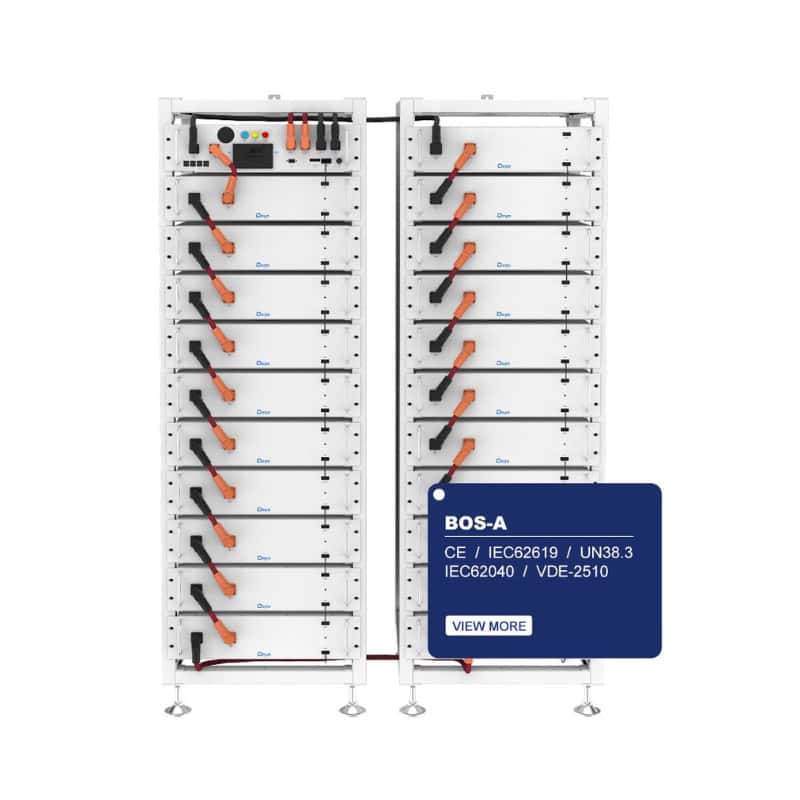
Solar energy systems are smarter than ever.
However, batteries remain their beating heart.
Without proper charging, even the best battery fails early.
Therefore, learning the best charging practices for solar batteries matters.
Above all, good habits protect performance, safety, and long-term savings.
Solar batteries store clean energy for later use.
They power homes at night or during outages.
In short, they turn sunlight into reliability.
However, charging them incorrectly shortens their lifespan.
This guide explains how to charge solar batteries the right way.
Why Proper Charging Matters
Battery charging is not just about filling energy.
It directly affects efficiency and durability.
For example, overcharging causes heat and damage.
On the other hand, undercharging reduces usable capacity.
As a result, both mistakes cost money over time.
Furthermore, solar batteries are expensive assets.
Proper charging protects your investment.
Additionally, it improves system reliability.
In particular, off-grid users depend on stable batteries daily.
Therefore, correct charging is essential, not optional.
Common Types of Solar Batteries
Different batteries require different charging practices.
Understanding your battery type is the first step.
Although systems vary, most solar batteries fall into four categories.
Each has unique needs and limits.
Let’s break them down clearly.
Lead-Acid Batteries
Lead-acid batteries are affordable and widely used.
However, they need careful charging control.
They dislike deep discharges and overcharging.
Furthermore, ventilation is essential for safety.
Regular maintenance is also required.
Lithium-Ion Batteries
Lithium-ion batteries dominate modern solar systems.
They charge faster and last longer.
Additionally, they tolerate deeper discharges.
However, they require precise charge controllers.
Built-in management systems help prevent damage.
Lithium Iron Phosphate (LiFePO4)
LiFePO4 batteries are safer lithium variants.
They offer excellent cycle life and stability.
Furthermore, they handle frequent charging well.
However, they still need correct voltage limits.
Proper configuration ensures peak performance.
Flow Batteries
Flow batteries are less common but promising.
They excel in large-scale storage.
Additionally, they tolerate full discharges.
However, they require complex systems.
Charging control remains crucial for efficiency.
Key Components That Control Charging
Solar battery charging involves more than panels.
Several components work together behind the scenes.
Understanding them improves charging decisions.
For instance, upgrades often start here.
Let’s review the essentials.
- Solar panels generate DC electricity from sunlight
- Charge controllers regulate voltage and current
- Inverters convert power for household use
- Battery management systems monitor battery health
Among these, charge controllers matter most.
They prevent overcharging and overheating.
In addition, smart controllers adapt to battery chemistry.
Therefore, never skip quality components.
Cheap parts cause expensive failures.
Best Charging Practices for Solar Batteries
Following proven practices extends battery life.
It also improves daily performance.
Furthermore, these steps apply to most systems.
However, always check manufacturer guidelines.
Below are the most important habits.
1. Use the Correct Charge Controller
Always match the controller to battery type.
For example, lithium requires precise voltage control.
PWM controllers suit small systems.
Meanwhile, MPPT controllers maximize efficiency.
In short, controller choice directly affects charging quality.
2. Avoid Overcharging at All Costs
Overcharging generates heat and stress.
Consequently, it damages internal components.
Use voltage limits recommended by manufacturers.
Additionally, enable automatic charge cutoffs.
This single step prevents many failures.
3. Prevent Deep Discharges
Deep discharges shorten battery lifespan.
Lead-acid batteries suffer the most.
Therefore, maintain safe depth-of-discharge levels.
For instance, keep lead-acid above 50%.
Lithium batteries tolerate more but still need limits.
4. Charge During Optimal Sunlight Hours
Solar batteries charge best with steady input.
Midday sunlight provides stable power.
However, cloudy conditions cause fluctuating voltage.
Smart controllers smooth these variations.
As a result, batteries charge more safely.
5. Monitor Battery Temperature
Temperature affects charging efficiency.
High heat accelerates degradation.
Cold conditions reduce charging speed.
Therefore, install batteries in shaded locations.
Additionally, use temperature sensors when possible.
Safety Tips You Should Never Ignore
Battery safety protects people and property.
Ignoring safety rules leads to serious risks.
For example, improper wiring causes fires.
Furthermore, gas buildup can explode.
Follow these simple precautions.
- Install batteries in ventilated areas
- Keep flammable materials away
- Use proper fuses and disconnects
- Inspect connections regularly
- Follow manufacturer installation manuals
In short, safety is not optional.
Even small systems deserve respect.
Additionally, professional inspections help.
They catch problems early.
Therefore, schedule routine system checks.
Real-Life Charging Scenarios
Imagine an off-grid cabin system.
The owner ignores charging limits.
Batteries overheat every summer.
After two years, capacity drops sharply.
Replacement costs exceed initial savings.
Now consider a grid-tied home.
The owner uses smart controllers.
Charging follows manufacturer settings.
Batteries last ten years or more.
Good practices clearly pay off.
Similarly, businesses rely on energy storage.
Downtime costs money and trust.
Therefore, consistent charging matters.
Above all, reliability drives value.
Good habits protect operations.
Benefits of Proper Charging Practices
Correct charging offers many advantages.
They extend beyond battery life alone.
For instance, system efficiency improves.
Additionally, maintenance costs drop.
Here are key benefits.
- Longer battery lifespan
- Improved energy efficiency
- Reduced safety risks
- Lower replacement costs
- Reliable backup power
In contrast, poor charging wastes investment.
It increases downtime and frustration.
Therefore, best charging practices for solar batteries are essential.
They support sustainability and savings.
Everyone benefits in the long run.
Conclusion
Solar batteries power modern energy independence.
However, charging them correctly makes all the difference.
From controllers to temperature control, details matter.
Furthermore, different batteries need different care.
In short, smart charging protects performance and safety.
Learning best charging practices for solar batteries is empowering.
It turns users into informed energy managers.
Additionally, it maximizes return on investment.
Good habits start with awareness.
Consistency delivers lasting results.
Final Thought
Solar energy is a long-term commitment.
Your batteries deserve thoughtful care.
Therefore, apply these charging practices daily.
Small actions today prevent big costs tomorrow.
Charge wisely, and let your system thrive.

