Solar power is becoming more popular every year. Many homes and businesses now install solar panels. However, solar panels alone cannot power most appliances.
That is where the inverter comes in.
So, what does a solar inverter actually do? In simple terms, a solar inverter converts solar energy into usable electricity. Without it, solar power systems would not function properly.
Understanding the role of an inverter helps you appreciate how solar systems work. It also helps you choose the right equipment for your home or business.
What Is a Solar Inverter?
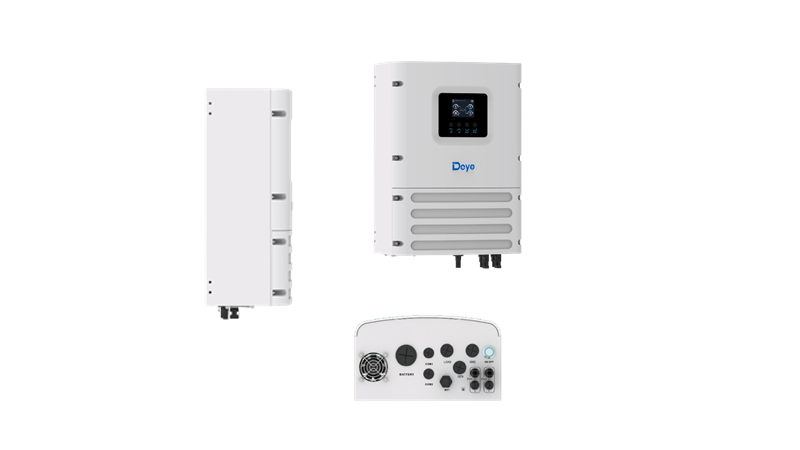
A solar inverter is a key component of every solar power system. It acts as the brain of the system.
Solar panels produce direct current (DC) electricity. However, most homes and appliances use alternating current (AC) electricity.
Therefore, the inverter converts DC power into AC power.
Without this conversion, solar electricity cannot power common devices such as:
- Refrigerators
- Televisions
- Lights
- Fans
- Air conditioners
- Computers
As a result, the inverter makes solar energy usable.
How a Solar Inverter Works
Understanding what a solar inverter actually does becomes easier when you look at the process step by step.
Step 1: Solar Panels Generate Electricity
Solar panels absorb sunlight. As a result, they produce DC electricity.
However, DC electricity flows in one direction only.
Step 2: Electricity Flows to the Inverter
Next, the DC power travels through cables to the solar inverter.
At this point, the electricity still cannot power most household appliances.
Step 3: DC Power Converts to AC Power
The inverter then converts DC electricity into AC electricity.
This process happens instantly and continuously.
Consequently, the electricity becomes suitable for homes and businesses.
Step 4: Power Runs Your Appliances
Finally, the AC electricity flows to your distribution board.
Your appliances can now use the solar energy safely.
Meanwhile, excess energy may charge batteries or go to the grid, depending on the system design.
Types of Solar Inverters
Different solar systems require different types of inverters. Choosing the right type improves efficiency and reliability.
1. String Inverters
String inverters are the most common.
They connect several solar panels in a series, called a string.
Key features include:
- Affordable cost
- Easy installation
- Suitable for residential systems
However, shading on one panel can affect the entire string.
2. Hybrid Inverters
Hybrid inverters work with solar panels and batteries.
They manage energy flow between solar panels, batteries, and the grid.
Advantages include:
- Battery compatibility
- Energy storage management
- Backup power support
Therefore, hybrid inverters are ideal for homes seeking energy independence.
3. Off-Grid Inverters
Off-grid inverters are designed for locations without utility electricity.
They rely completely on solar panels and batteries.
Common uses include:
- Rural homes
- Farms
- Remote businesses
- Telecommunications sites
In countries with unstable power supply, off-grid systems are increasingly popular.
4. Microinverters
Microinverters work differently.
Instead of one central inverter, each solar panel has its own inverter.
Benefits include:
- Higher efficiency in shaded conditions
- Individual panel monitoring
- Improved system performance
However, they are usually more expensive.
Why Solar Inverters Are So Important
Solar panels often receive the most attention. However, the inverter is equally important.
In fact, a solar system cannot operate without it.
Key Functions of Solar Inverters
A solar inverter performs several critical tasks.
- Converts DC electricity to AC power
- Monitors solar system performance
- Manages energy flow
- Protects electrical equipment
- Supports battery charging
Therefore, the inverter ensures the entire system works safely and efficiently.
Additional Smart Features of Modern Inverters
Modern solar inverters are more advanced than earlier models.
Many now include smart features.
Monitoring and Data Tracking
Most modern inverters include monitoring systems.
Users can track:
- Energy production
- System efficiency
- Battery charge levels
- Power consumption
This information is often available through mobile apps.
Grid Synchronization
Grid-tied solar systems require synchronization with the power grid.
The inverter ensures the solar electricity matches the grid’s voltage and frequency.
As a result, electricity flows safely between the system and the grid.
Safety Protection
Solar inverters also protect the system.
They detect problems such as:
- Overvoltage
- Short circuits
- Overheating
- Electrical faults
If necessary, the inverter shuts down the system automatically.
This prevents equipment damage and improves safety.
Example of How an Inverter Helps a Home
Imagine a home with a rooftop solar system.
During the day, sunlight hits the solar panels. The panels generate DC electricity.
The inverter then converts the energy into AC power. As a result, the home can run appliances using solar energy.
Meanwhile, extra electricity may charge the battery system.
At night, the home uses the stored battery power.
Without the inverter, none of this process would work.
Tips for Choosing the Right Solar Inverter
Choosing the correct inverter is essential for system performance.
Consider these important factors:
1. System Size
The inverter must match the size of your solar system.
Undersized inverters may limit power output.
2. Battery Compatibility
If you plan to add batteries, choose a hybrid inverter.
This allows future upgrades.
3. Efficiency Rating
High-efficiency inverters convert more solar energy.
Look for efficiency ratings above 95%.
4. Warranty and Reliability
Solar inverters should have strong warranties.
Many quality models offer 5–10 year warranties.
Reliable brands reduce maintenance costs.
Common Solar Inverter Problems
Like any electrical equipment, inverters may develop issues.
Common problems include:
- Overheating
- Fault codes
- Loose wiring
- Communication errors
However, proper installation and maintenance reduce these risks.
Professional installers can ensure everything works correctly.
Conclusion
Solar energy systems depend on several components. However, the inverter plays one of the most important roles.
Understanding what a solar inverter actually does helps you see how solar electricity becomes usable power.
By converting DC electricity into AC electricity, the inverter allows solar energy to run everyday appliances. In addition, it manages energy flow, protects the system, and improves efficiency.
As solar technology continues to grow, inverters will remain essential to reliable solar power systems.
Final Thought
Solar panels capture sunlight. Batteries store energy. However, the inverter brings everything together. Without it, solar power simply cannot run your home.