
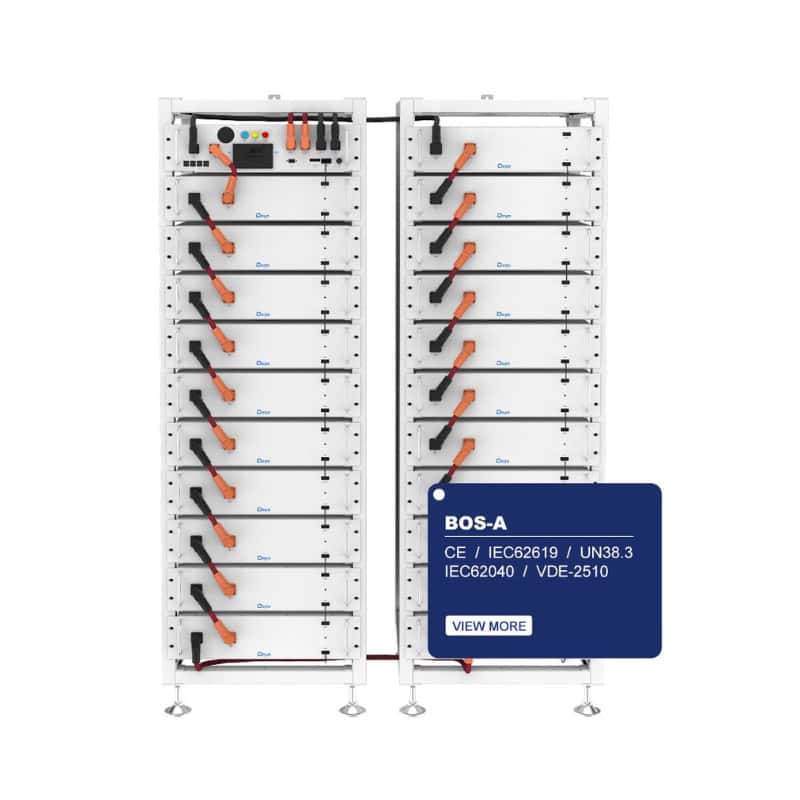
Solar power is growing fast. Homeowners, campers, and businesses now rely on clean energy more than ever. However, solar panels alone are not enough. They need a strong and reliable battery to store power for later use. That is where lithium batteries come in. Today, many experts agree that lithium batteries are the best for solar systems, and for good reason.
In this post, you will learn why lithium technology outperforms older battery types, how it boosts solar efficiency, and what makes it a smart long-term investment. You will also discover tips, examples, and safety notes to help you choose the right battery for your solar setup.
Why Solar Systems Need High-Quality Batteries
Solar panels make power only when the sun shines. Clouds, nighttime, and seasonal changes affect output. Therefore, a solar system must store unused daytime energy for later. The battery becomes the heart of the entire setup. When the battery performs well, your solar system performs well.
Older batteries, such as lead-acid, struggle with deep discharges and frequent cycling. In contrast, lithium batteries thrive in solar environments. They handle daily charging and discharging with ease. Above all, they offer reliability and stability, which are essential for long-term solar performance.
Why Lithium Batteries Are Best for Solar Systems
1. Higher Usable Capacity
Lithium batteries allow deeper discharge. This means you can use more of the stored energy without damaging the battery.
- Lithium batteries: 80–100% usable
- Lead-acid batteries: 30–50% usable
As a result, a lithium battery bank stores more usable energy in the same physical size. This advantage is especially helpful for off-grid homes, RV solar setups, and battery backup systems.
Example
A 100Ah lead-acid battery may give you only 30–50Ah of usable power. However, a 100Ah lithium battery often gives you up to 90Ah. That is almost double the energy from the same rated capacity.
2. Faster Charging Speeds
Solar power is limited by daylight hours. Therefore, the ability to recharge quickly is critical. Lithium batteries accept higher charging currents and reach full capacity much faster than lead-acid alternatives.
Benefits of Fast Charging
- More energy captured during short winter days
- Better performance during cloudy weather
- Less wasted solar power
- Higher efficiency in hybrid systems
In short, lithium batteries ensure that you maximize every ray of sunlight.
3. Longer Lifespan and More Cycles
Solar systems require daily cycling. That is why lifespan matters. Lithium batteries—especially LiFePO4 models—deliver far more cycles than traditional batteries.
- Lithium (LiFePO4): 2,000–5,000+ cycles
- Lead-acid: 300–500 cycles
This huge difference makes lithium batteries the best long-term choice for solar storage.
Consequently:
- You replace batteries less often.
- Your system stays stable for years.
- You save money over time.
Even though lithium batteries cost more upfront, they often last five to ten times longer. As a result, they are cheaper in the long run.
4. Lightweight and Compact
Solar systems in RVs, boats, and cabins need lightweight equipment. Fortunately, lithium batteries weigh about 50–70% less than lead-acid options with similar capacity.
Advantages of Lower Weight
- Easier transport
- Faster installation
- Less strain on vehicles
- More freedom to place batteries in tight spaces
For portable solar setups, lithium is the clear winner.
5. Stable Voltage Output
Solar inverters and appliances need consistent voltage. Lead-acid batteries drop in voltage as they discharge. Meanwhile, lithium batteries maintain steady voltage almost throughout the cycle.
Benefits of Stable Voltage
- Cleaner electricity
- Better inverter performance
- Longer appliance life
- Stronger output for high-demand devices
In particular, lithium batteries excel in powering refrigerators, pumps, power tools, and medical equipment connected to solar.
6. Low Maintenance Requirements
Lead-acid batteries demand frequent maintenance. You must check fluids, prevent corrosion, and clean terminals. However, lithium batteries require almost no routine care.
Lithium maintenance benefits:
- No water top-ups
- No corrosion
- No ventilation issues
- No equalization charging
You simply install the battery, connect it to your solar system, and enjoy reliable power.
7. Better Efficiency in Solar Charging
Lithium batteries offer 95–98% efficiency, meaning almost all the energy sent to them is stored and used. Lead-acid batteries waste more energy as heat and chemical reactions.
Solar Efficiency Results
- More energy captured per day
- Lower overall system losses
- Strong performance even with smaller solar arrays
This is extremely valuable for off-grid systems that depend on every watt.
8. Excellent Performance in Various Temperatures
Solar systems operate outdoors. Therefore, temperature tolerance is crucial. Lithium batteries work well across a wide temperature range. LiFePO4 batteries remain stable and safe even in warm climates.
Cold Weather Note
Some lithium batteries require internal heaters to charge below freezing. Many modern models include built-in heating for cold climates, ensuring safe charging.
9. Built-In Battery Management System (BMS)
Most lithium solar batteries include a smart BMS. This system protects the battery from damage and ensures safe operation.
A BMS prevents:
- Overcharging
- Deep discharges
- Overheating
- Short circuits
- Unbalanced cells
This built-in technology keeps your solar system safe and efficient with minimal user effort.
10. Environmentally Friendly
Lithium batteries last longer and waste fewer materials. As a result, they reduce replacement frequency and cut long-term environmental impact.
Green benefits:
- Less landfill waste
- Higher energy efficiency
- Better support for renewable energy
- No toxic fumes like those from lead-acid batteries
When paired with solar, lithium batteries create a clean and sustainable power solution.
Real-World Examples of Lithium Batteries in Solar Systems
Off-Grid Cabins
Off-grid homes rely on batteries as their main power reserve. Lithium batteries deliver stable energy for lights, fridges, heating fans, and water pumps. They store more usable energy and recharge quickly, which is ideal for remote living.
RV and Van Life Solar Systems
People living on the road need lightweight and efficient storage. Lithium batteries paired with rooftop solar panels provide all-day power for cooking, charging devices, and running appliances.
Solar Backup for Homes
Lithium batteries work perfectly for home backup systems. When the grid fails, a lithium bank keeps your lights and essential appliances running.
Commercial Solar Systems
Businesses use lithium batteries because they reduce downtime, cut energy costs, and pair well with hybrid solar solutions.
Tips for Choosing Lithium Batteries for Solar Systems
1. Choose the Correct Battery Chemistry
- LiFePO4 (Lithium Iron Phosphate):
Best for solar systems due to safety, long life, and stability.
2. Check the Battery Management System
A good BMS protects your battery. Always choose a battery with strong safety features.
3. Review the Cycle Life
Look for batteries with 3,000–5,000+ cycles for long-term use.
4. Match Battery Size to Solar Output
Make sure your battery can store the power your panels produce. In addition, ensure it meets your daily consumption.
5. Compare Warranty Terms
Long warranties often mean higher-quality batteries.
6. Consider Temperature Conditions
If your region freezes often, choose lithium batteries with low-temperature charging protection.
Safety Notes for Solar Lithium Batteries
- Use a compatible solar charge controller.
- Keep the battery dry and sheltered.
- Prevent physical damage or punctures.
- Follow manufacturer charging limits.
- Recycle batteries safely when they reach end of life.
Conclusion
Lithium batteries deliver unmatched performance for modern solar systems. They store more energy, charge faster, and last far longer than older battery technologies. In addition, they offer higher efficiency, safer operation, and better long-term value. Whether your solar setup is off-grid, mobile, or for home backup, lithium batteries make your system stronger, cleaner, and more reliable.
Final Thought
Solar power is only as good as the battery behind it. Switching to lithium today brings more energy, more freedom, and more savings tomorrow. If you want a stable and efficient solar system, lithium batteries are the best place to start.