Electricity costs in Nigeria keep rising. Many homes feel the pressure every month. However, solar energy offers a way out. It gives stable power and lowers long-term spending. In this guide, you will learn how solar panels can cut your electricity bills. You will also see why Photo-voltaic Cables matter in every setup. Furthermore, we will break down types, advantages, wiring tips, and safety steps in simple terms.
Why Solar Makes Sense in Nigeria
Solar power works well in Nigeria because the country enjoys strong sunlight. This sunlight is available almost all year. Therefore, homeowners can generate steady power. In addition, more families now prefer solar because grid power is unreliable.
Solar systems reduce reliance on fuel generators. They also improve comfort during outages. Above all, they lower your monthly spending when installed correctly.
Key Reasons Nigerians Switch to Solar
- Rising electricity tariffs
- High cost of generator fuel
- Frequent blackouts
- Need for clean and quiet power
- Long-term financial savings
Understanding How Solar Panels Reduce Bills
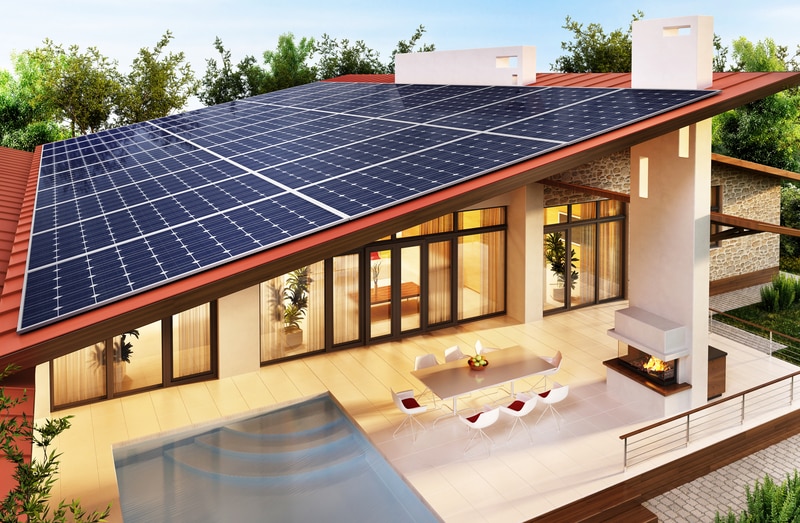
Solar panels turn sunlight into electricity. That power runs your lights, fans, TV, and even freezers depending on system size. As a result, you buy less power from the grid. Over months, this reduction becomes clear on your electricity bill.
Once you pay for the installation, sunlight becomes free. Therefore, your running cost drops. In short, solar panels help you save money steadily.
To enjoy these savings, your system needs proper wiring. This is where Photo-voltaic Cables play a big role.
What Are Photo-Voltaic (PV) Cables?
Photo-voltaic Cables, also called PV cables or solar panel installation cables, carry electricity from the solar panels to other parts of the system. They connect panels to the charge controller, inverter, and batteries.
These cables are not ordinary wires. Instead, they are designed for outdoor use. They withstand heat, UV rays, moisture, and long working hours in harsh weather. In contrast, normal household cables can melt or fail under such conditions.
Therefore, PV cables protect your solar investment and ensure safety.
Why PV Cables Are Important
PV cables are vital for efficient solar wiring. Without them, your system may lose power or face safety risks.
Key Roles of Photo-Voltaic Cables
- Carry DC power from panels to the inverter
- Ensure stable electricity flow
- Reduce power loss
- Prevent short circuits
- Resist extreme sun and heat
- Improve overall system life
In particular, good PV cables help deliver clean energy with minimal losses. This increases your savings over time.
Types of Photo-Voltaic Cables
Different solar setups require different cable types. Below are the most common ones used in Nigeria.
1. Single-Core PV Cables
These are the most common in homes. They carry DC power from one point to another.
Uses: Panel-to-panel wiring, panel-to-combiner box.
2. Twin-Core PV Cables
This cable has two wires joined together. It reduces clutter and makes installation easier.
Uses: Inverter wiring, long solar runs.
3. Tinned Copper PV Cables
These cables have a thin tin coating over the copper. This protects them from corrosion.
Uses: Offshore or coastal areas like Lagos Island, Port Harcourt
4. Aluminium PV Cables
They are cheaper but less efficient than copper.
Uses: Large projects where cost reduction is key.
Advantages of Using Quality PV Cables
High-quality Photo-voltaic Cables offer many benefits.
- Heat resistance: They survive high temperatures.
- UV protection: They last longer under strong sunlight.
- Low energy loss: They send power smoothly.
- Water resistance: They handle rain and humidity.
- Stronger insulation: They lower fire risks.
- Long lifespan: They reduce the need for replacement.
Consequently, these advantages help your system perform better and save more money long term.
How PV Cables Help Reduce Electricity Bills
Quality solar wiring improves system efficiency. When energy loss is low, you get more usable power. This means your solar panels produce more electricity daily. As a result, you rely less on the grid.
Poor cables can waste up to 10–15% of solar power. However, good PV cables reduce loss to almost zero. Therefore, your panels deliver maximum output, and your bills drop further.
What You Need for a Cost-Saving Solar Setup
To reduce bills effectively, your solar setup must include key components. Each one must work together smoothly.
Essential Components
- Solar panels
- Photo-voltaic Cables
- Charge controller
- Inverter
- Batteries
- MCBs and fuses
- Mounting kit
In addition, you need a trained installer. A good installer ensures neat wiring and safe connections.
Step-by-Step Guide to Reducing Bills With Solar
1. Assess Your Energy Needs
Check your monthly power usage. List the appliances you want to run on solar.
For example, lights, TV, fans, Wi-Fi, and freezer.
2. Choose the Right Panel Size
Use enough panels to cover daytime needs. More panels mean more savings.
3. Use the Correct PV Cable Size
Thick cables carry more power. They reduce heat and loss.
Ask your installer for guidance.
4. Install a Reliable Inverter
Your inverter converts DC to AC. A good one increases efficiency.
5. Add Batteries for Night Use
Batteries help you use solar even after sunset.
6. Manage Your Loads
Turn off heavy appliances during solar peak hours if needed.
This increases battery life and lowers standby grid use.
Installation Tips for PV Cables
Proper installation is important. It improves safety and performance.
Tips to Guide You
- Use the right cable size based on panel wattage
- Avoid long cable runs to reduce voltage drop
- Use MC4 connectors for secure joints
- Keep cables away from sharp edges
- Avoid mixing different cable types
- Label your cables clearly
- Ensure tight connections
In addition, always follow Nigerian electrical standards.
Safety Considerations for Solar Wiring
Safety is crucial during installation. Poor wiring can cause fires.
However, taking the right steps prevents problems.
Key Safety Steps
- Wear gloves and safety shoes
- Turn off all power before wiring
- Use only certified Photo-voltaic Cables
- Avoid loose joints
- Do not overload the system
- Protect cables in conduits
In short, good safety saves lives and property.
Example Scenario: A Home in Abuja Saves Money
Let’s imagine a family in Asokoro. They pay high electricity bills monthly. They decide to install a 2kW solar system. The installer uses quality PV cables.
After installation, the home runs lights, fans, TV, and fridge on solar. As a result, their grid consumption drops by 60%. Their monthly bill falls from ₦28,000 to ₦10,000.
The system works well because of smooth solar wiring. This shows how proper cabling increases savings.
Choosing the Right PV Cables in Nigeria
You can find many cable brands in the market. However, not all are genuine. Always choose cables certified for solar use.
What to Check
- Pure copper conductor
- UV-resistant outer jacket
- Heat rating above 90°C
- Proper thickness (4mm², 6mm², or 10mm²)
- Manufacturer warranty
On the other hand, avoid cheap cables that melt easily.
How to Maintain Your Solar Wiring
Maintenance keeps your system working well.
Simple Maintenance Steps
- Inspect cables every 6 months
- Clean dust around joints
- Check for signs of wear
- Replace damaged connectors
- Tighten loose screws
- Keep rodents away from wiring
Furthermore, call your installer for yearly servicing.
Conclusion
Solar panels can significantly lower electricity bills in Nigeria. The key is planning well and using the right materials. In particular, Photo-voltaic Cables help your system deliver maximum power. They ensure safe and effective solar wiring. When combined with quality panels, inverters, and batteries, they provide reliable savings.
Final Thought
Solar power is a smart investment for Nigerian homes. It brings comfort, reduces stress, and cuts bills. Start small if needed. Grow your system over time. Make sure you choose the right PV cables and trusted experts. Your future self will thank you.