
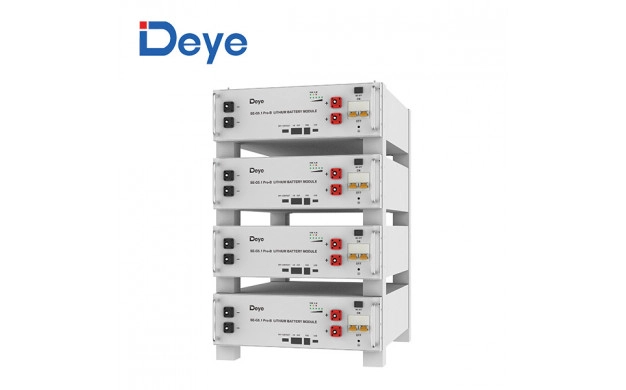
Solar batteries are a smart investment. They store power for later use. However, many users experience early battery failure. This often leads to frustration and extra costs.
Understanding what shortens the life of solar batteries is very important. Batteries are not cheap. Replacing them too soon wastes money. Therefore, knowing the causes of battery damage helps you avoid mistakes.
In this article, we explain the major factors that reduce battery lifespan. We also share practical tips to help your batteries last longer.
Why Solar Battery Lifespan Matters
Solar batteries power homes and businesses daily. They support lights, fans, and appliances. When batteries fail early, the entire system suffers.
In addition, battery replacement is expensive. Frequent failure increases maintenance costs. Consequently, solar power becomes less affordable.
By learning what shortens the life of solar batteries, you protect your investment. You also enjoy stable power for many years.
Deep Discharging the Battery Too Often
One major cause of battery damage is deep discharge. This happens when batteries are drained too low.
For example, allowing batteries to reach zero charge regularly stresses them. Over time, internal components weaken. As a result, storage capacity reduces.
What to avoid:
- Running batteries until completely empty
- Ignoring low-battery warnings
- Using heavy loads overnight
In contrast, shallow discharges help batteries last longer.
Overcharging the Battery
Overcharging is another serious problem. It causes overheating and internal damage.
This usually happens due to poor charge controllers. Faulty inverters also cause voltage spikes. Consequently, batteries age faster than expected.
Common overcharging causes:
- Cheap or fake charge controllers
- Incorrect inverter settings
- Poor system monitoring
Therefore, always use quality charging equipment.
Excessive Heat and Poor Ventilation
Heat is one of the biggest enemies of solar batteries. High temperatures speed up chemical reactions inside batteries.
In hot environments, batteries degrade quickly. Poor ventilation makes the problem worse. Meanwhile, trapped heat causes swelling and leakage.
Best practices:
- Install batteries in cool areas
- Avoid direct sunlight exposure
- Provide proper airflow
In particular, lithium batteries tolerate heat better than lead-acid types.
Using Low-Quality or Fake Batteries
Not all batteries are equal. Low-quality batteries fail early. Fake brands also flood the market.
These batteries often lack proper safety features. In addition, their internal materials are poor. As a result, lifespan is very short.
Always buy from trusted suppliers. Check warranties and serial numbers. Above all, avoid unusually cheap offers.
Poor Maintenance Habits
Maintenance plays a big role in battery lifespan. Neglect causes gradual damage.
Lead-acid batteries need regular checks. Water levels must be maintained. Corroded terminals also reduce efficiency.
Poor maintenance includes:
- Skipping routine inspections
- Ignoring corrosion
- Failing to clean terminals
Similarly, lack of care shortens battery life.
Overloading the Solar System
Overloading stresses batteries every day. Using appliances beyond system capacity drains batteries faster.
For instance, running air conditioners on small systems causes rapid discharge. This repeated stress damages battery cells. Consequently, lifespan reduces.
Avoid overloading by:
- Matching load to system size
- Using energy-efficient appliances
- Upgrading battery capacity when needed
Proper sizing protects batteries.
Poor Installation Practices
Bad installation causes hidden problems. Wrong cable sizes lead to voltage loss. Loose connections cause heat buildup.
In addition, incorrect wiring reduces charging efficiency. Many users do not notice this early.
Hire trained solar installers. Follow manufacturer guidelines. Proper installation extends battery life.
Mixing Old and New Batteries
Mixing batteries is a common mistake. Old and new batteries behave differently.
Older batteries drain faster. New batteries compensate by working harder. As a result, all batteries degrade quickly.
Always replace batteries in sets. This ensures balanced performance and longer lifespan.
Leaving Batteries Unused for Long Periods
Idle batteries also suffer damage. Leaving batteries unused causes self-discharge. Over time, voltage drops too low.
This leads to sulfation in lead-acid batteries. Lithium batteries also lose capacity when idle.
Charge batteries periodically. Keep them active. In short, use or maintain them regularly.
Ignoring Early Warning Signs
Many users ignore warning signs. Reduced backup time is often dismissed. Strange smells are overlooked.
However, these are early signs of failure. Ignoring them worsens damage. Consequently, batteries fail suddenly.
Pay attention to changes. Act quickly. Early fixes save money.
How to Prevent What Shortens the Life of Solar Batteries
Prevention is always better than replacement. Simple habits make a big difference.
Helpful prevention tips:
- Monitor battery voltage regularly
- Avoid deep discharge cycles
- Use quality system components
- Maintain proper ventilation
- Schedule routine inspections
Additionally, education helps users make better choices.
Real-Life Example
A family installed cheap batteries to save money. They overloaded the system daily. Batteries failed within two years.
Another household invested in quality batteries. They monitored usage carefully. Their batteries lasted over seven years.
These examples show one truth. Care matters more than cost.
Conclusion
What shortens the life of solar batteries is not a mystery. Deep discharge, heat, poor maintenance, and overcharging are major causes.
Low-quality batteries and poor installation also play a role. However, most problems are avoidable.
With proper care, solar batteries last many years. Knowledge makes the difference.
Final Thought
Solar batteries reward good habits. Treat them well. Monitor them closely. In return, they deliver reliable power for years.
