
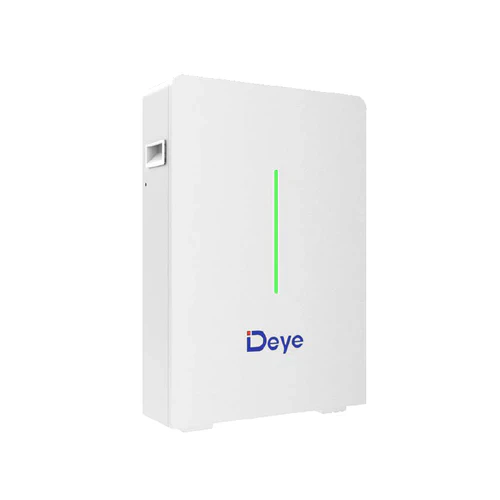
Solar energy systems are becoming more common. Homes and businesses now rely on solar batteries for reliable power. Among all battery types, lithium batteries are the most popular today. They are efficient, long-lasting, and powerful.
However, lithium batteries also require careful management. They cannot operate safely without proper monitoring. This is where the Battery Management System (BMS) becomes essential.
Understanding why BMS is critical for solar lithium batteries helps users protect their investment and improve system performance. A BMS ensures safety, balances battery cells, and extends battery lifespan. Without it, even the best lithium battery can fail quickly.
In this article, we explain what a BMS does and why it is so important for solar battery systems.
What Is a Battery Management System (BMS)?
A Battery Management System (BMS) is an electronic control system inside a battery pack. It monitors the battery’s condition and ensures safe operation.
In simple terms, the BMS acts like the battery’s brain. It constantly checks important factors such as voltage, current, and temperature.
If something goes wrong, the BMS takes action immediately. It may stop charging, limit power output, or shut down the system.
As a result, the battery remains protected from damage.
Why Lithium Batteries Need a BMS
Lithium batteries store large amounts of energy in compact spaces. This makes them powerful but sensitive.
Unlike traditional lead-acid batteries, lithium cells must operate within strict limits. Small voltage changes can cause problems.
Therefore, a BMS ensures lithium batteries stay within safe operating conditions.
Without a BMS, several risks appear:
- Overcharging the battery
- Excessive heat buildup
- Deep discharge damage
- Uneven cell performance
Consequently, the battery could fail early or become unsafe.
Key Functions of a BMS in Solar Lithium Batteries
To understand why BMS is critical for solar lithium batteries, it helps to explore its main functions.
A BMS performs multiple tasks simultaneously.
1. Protects Against Overcharging
Overcharging is dangerous for lithium batteries. It causes excessive heat and internal damage.
The BMS constantly monitors battery voltage. If the voltage rises above the safe level, charging stops automatically.
Therefore, the battery remains protected.
This function is especially important in solar systems. During strong sunlight, solar panels may produce large amounts of energy.
Without BMS control, batteries could easily overcharge.
2. Prevents Deep Discharge
Deep discharge occurs when a battery drains too low. Lithium batteries should not drop below certain voltage limits.
If they do, permanent damage may occur.
A BMS prevents this problem. When the battery reaches its minimum voltage level, the BMS disconnects the load.
Consequently, the battery stays within safe limits.
3. Controls Battery Temperature
Temperature affects battery performance greatly. Excess heat reduces battery lifespan.
The BMS uses temperature sensors to monitor heat levels. If the battery becomes too hot, the system responds immediately.
Possible actions include:
- Reducing charging speed
- Limiting discharge power
- Temporarily shutting down the system
As a result, overheating risks are minimized.
4. Balances Battery Cells
Solar lithium batteries contain multiple cells connected together. However, these cells rarely charge at the same rate.
Over time, some cells become stronger while others weaken. This imbalance reduces efficiency.
The BMS solves this problem through cell balancing.
Cell balancing ensures:
- Equal voltage across all cells
- Consistent charging behavior
- Longer battery lifespan
Balanced batteries perform better and last longer.
5. Monitors Battery Health
A modern BMS continuously collects battery data.
It tracks:
- State of charge (SOC)
- State of health (SOH)
- Charging cycles
- Current flow
This information helps users understand battery performance.
In addition, it helps detect problems early.
How BMS Improves Solar System Efficiency
A solar battery system depends on proper energy flow. Batteries must charge and discharge efficiently.
The BMS plays a key role here.
It ensures energy flows safely between:
- Solar panels
- Charge controller
- Battery bank
- Inverter
For example, during peak sunlight, solar panels may generate excess electricity. The BMS controls how quickly the battery accepts that energy.
Meanwhile, at night, the BMS manages safe energy release.
Consequently, the entire solar system operates smoothly.
Real-Life Example of BMS Protection
Imagine a home with a solar lithium battery system.
During midday, solar panels produce high energy output. The battery charges rapidly.
However, without a BMS, the battery might exceed safe voltage levels. This could cause overheating or permanent damage.
With a BMS installed, the system monitors voltage continuously. Once the battery reaches full charge, charging stops automatically.
Later, at night, the BMS carefully manages energy discharge.
As a result, the battery operates safely every day.
Benefits of BMS in Solar Lithium Batteries
The presence of a BMS provides several important advantages.
Improved Safety
A BMS protects against electrical faults and overheating.
Longer Battery Lifespan
Balanced charging and discharging extend battery life.
Better Energy Efficiency
Energy flows smoothly through the system.
Reduced Maintenance
Automated monitoring reduces manual checks.
Real-Time Monitoring
Many modern BMS systems allow smartphone monitoring.
Best Practices for Solar Lithium Battery Systems
Although BMS technology is powerful, good system practices are still necessary.
Consider these tips:
- Use lithium batteries with built-in BMS protection
- Install compatible solar inverters
- Ensure proper ventilation around batteries
- Avoid overloading the system
- Monitor system performance regularly
Professional installation also improves system safety.
Future of BMS Technology
Battery technology is evolving rapidly. Modern BMS systems are becoming smarter.
New features include:
- Wireless monitoring apps
- Cloud-based battery data tracking
- Artificial intelligence diagnostics
These improvements allow users to monitor energy systems remotely.
As solar adoption grows, BMS technology will continue improving.
Conclusion
Solar lithium batteries are powerful energy storage solutions. However, they require careful management.
Understanding why BMS is critical for solar lithium batteries helps users appreciate its importance. A BMS protects batteries from overcharging, deep discharge, overheating, and imbalance.
Without a BMS, lithium batteries would be far less reliable and far more dangerous.
With proper battery management, solar systems become safer, more efficient, and longer lasting.
Final Thought
A solar battery is only as smart as its management system. With a reliable BMS, your lithium battery becomes safer, stronger, and ready to power your home for years.