Solar energy is a smart choice today. Many homes and businesses now depend on it. However, not all solar systems perform the same. One key reason is the inverter.
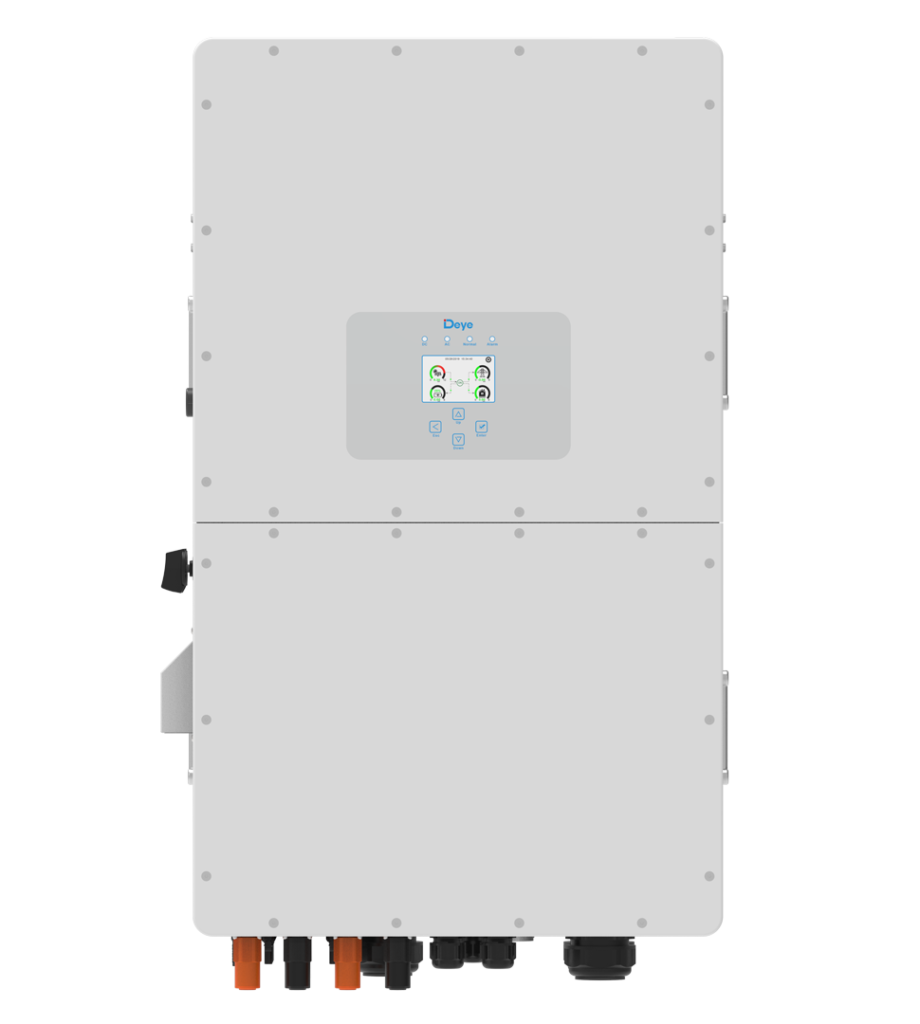
The inverter is the heart of your solar setup. It controls how energy flows and how safely your system operates. Therefore, choosing a high-quality inverter is very important.
Understanding Why Inverter Quality Matters in Solar Systems helps you avoid poor performance, system failure, and extra costs. In this guide, we explain why inverter quality matters and how it affects your entire solar system.
What Does a Solar Inverter Do?
A solar inverter converts electricity. Solar panels generate direct current (DC) power. However, homes use alternating current (AC) power.
The inverter makes this conversion possible. Without it, solar energy cannot power your appliances.
In addition, modern inverters also:
- Monitor energy production
- Manage battery charging
- Protect electrical devices
- Control system safety
Because of these roles, inverter quality directly affects system performance.
Why Inverter Quality Matters in Solar Systems
A solar system is only as strong as its weakest part. In many cases, the inverter determines how well the system works.
High-quality inverters offer better efficiency, safety, and durability. On the other hand, low-quality inverters may fail early or reduce system output.
Therefore, investing in a good inverter is not optional. It is essential.
1. Better Energy Efficiency
Efficiency is a key factor in solar systems.
A high-quality inverter converts more solar energy into usable electricity. As a result, less energy is wasted.
For example:
- High-quality inverter: 95–98% efficiency
- Low-quality inverter: lower efficiency
Even a small difference affects long-term energy savings.
Therefore, better efficiency means more value from your solar investment.
2. Improved System Reliability
Reliable systems save time and money.
High-quality inverters are built with strong components. As a result, they are less likely to fail.
On the other hand, poor-quality inverters may:
- Break down frequently
- Shut down unexpectedly
- Cause system interruptions
Therefore, reliability is a major reason Why Inverter Quality Matters in Solar Systems.
3. Enhanced Safety Features
Safety is very important in any electrical system.
High-quality inverters include advanced safety features such as:
- Overvoltage protection
- Short circuit protection
- Temperature control
- Automatic shutdown
These features protect your home and equipment.
In contrast, low-quality inverters may lack proper protection. This increases the risk of damage or fire.
4. Longer Lifespan
Durability is another major advantage.
High-quality inverters last longer. They can operate efficiently for 10 to 15 years or more.
However, cheaper inverters may fail much earlier.
As a result:
- You spend more on repairs
- You replace the inverter sooner
- System downtime increases
Therefore, quality saves money in the long run.
5. Better Performance in Tough Conditions
Solar systems operate in different environments.
For example, in places like Abuja, heat and dust can affect performance.
High-quality inverters are designed to handle:
- High temperatures
- Dust and humidity
- Voltage fluctuations
Meanwhile, low-quality inverters may struggle under these conditions.
As a result, system performance drops.
6. Advanced Monitoring Features
Modern inverters offer smart monitoring tools.
High-quality models provide:
- Real-time energy tracking
- Mobile app access
- Fault alerts
- Performance reports
These features help users monitor system health.
Therefore, problems can be detected early and fixed quickly.
Practical Example
Imagine two homes using solar systems.
Both homes have the same solar panels. However, one uses a high-quality inverter, while the other uses a cheaper option.
After one year:
- The first system produces consistent energy
- The second system experiences frequent shutdowns
In addition, the second homeowner spends more on repairs.
This example clearly shows Why Inverter Quality Matters in Solar Systems.
Common Risks of Low-Quality Inverters
Choosing a low-quality inverter may seem cheaper at first. However, it often leads to problems.
Common risks include:
- Low energy efficiency
- Frequent breakdowns
- Poor safety protection
- Short lifespan
- Limited warranty
As a result, long-term costs increase.
How to Identify a High-Quality Inverter
Choosing the right inverter requires careful evaluation.
Look for these key features:
- High efficiency rating (above 95%)
- Strong warranty (5–10 years or more)
- Trusted brand reputation
- Built-in safety features
- Good customer support
In addition, always work with experienced solar installers.
Tips for Choosing the Right Inverter
Here are simple tips to help you choose wisely:
- Avoid very cheap options
- Compare different brands
- Check reviews and ratings
- Ensure compatibility with your system
- Plan for future battery upgrades
These steps help you make a better decision.
Long-Term Benefits of High-Quality Inverters
Investing in a good inverter offers long-term advantages.
These include:
- Higher energy savings
- Fewer repairs
- Better system performance
- Increased system lifespan
- Greater peace of mind
Therefore, quality always pays off.
Conclusion
Solar inverters are essential components of every solar system. They control energy conversion, system performance, and safety.
Understanding Why Inverter Quality Matters in Solar Systems helps you make smarter decisions. High-quality inverters provide better efficiency, reliability, safety, and durability.
Although they may cost more upfront, they save money in the long run. Meanwhile, low-quality inverters often lead to poor performance and higher maintenance costs.
Choosing the right inverter ensures your solar system delivers maximum value.
Final Thought
Your solar system is an investment. Do not compromise on quality. A good inverter today means reliable power for many years.

