
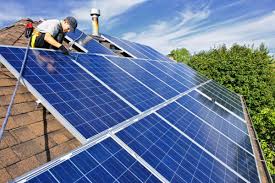
Many people want solar power. However, one common question comes up. How long does installation actually take?
The answer is simple, yet it depends on several factors. Some systems take one day. Others may take several days. Therefore, understanding How Long It Takes to Install Solar Panels helps you plan better.
In this guide, we break it down step by step. You will know what to expect before, during, and after installation.
Why Installation Time Matters
Time affects planning and expectations.
For example:
- You may need to prepare your home
- You may schedule around work or business
- You may want quick power solutions
Therefore, knowing the timeline helps avoid surprises.
Average Solar Installation Time
Let’s start with a general idea.
For most homes:
- Small systems → 1 to 2 days
- Medium systems → 2 to 3 days
- Large systems → 3 to 5 days
However, this is only the installation stage. The full process can take longer.
Full Solar Installation Timeline
Solar installation is not just mounting panels. It includes several stages.
1. Site Inspection (1–2 Days)
First, the installer visits your location.
They will:
- Check your roof or space
- Measure energy needs
- Identify shading issues
This step is quick but very important.
2. System Design (1–3 Days)
Next, the system is designed.
This includes:
- Choosing inverter size
- Selecting panels and batteries
- Planning layout
Therefore, everything is tailored to your needs.
3. Equipment Preparation (1–5 Days)
After design, materials are arranged.
This depends on:
- Availability of components
- Delivery time
- Market conditions
In some cases, this step may take longer.
4. Actual Installation (1–5 Days)
This is the main work.
Installers will:
- Mount solar panels
- Install inverters
- Connect batteries
- Complete wiring
For example:
- Small home → 1 day
- Standard home → 2–3 days
- Large system → up to 5 days
5. Testing and Activation (Same Day)
After installation, the system is tested.
Installers will:
- Check connections
- Test performance
- Turn on the system
Therefore, your solar system becomes active immediately.
Factors That Affect Installation Time
Not all installations are the same.
Several factors can increase or reduce time.
1. System Size
Larger systems take more time.
For example:
- More panels = more mounting work
- More batteries = more connections
Therefore, bigger systems need more time.
2. Roof Type and Structure
Roof condition matters.
For example:
- Flat roofs are easier
- Strong structures are faster
- Complex roofs take longer
In addition, weak roofs may need reinforcement.
3. Weather Conditions
Weather plays a big role.
For instance:
- Rain slows installation
- Extreme heat reduces working hours
- Wind affects safety
Therefore, installation may pause during bad weather.
4. Installation Location
Location affects logistics.
For example:
- Urban areas are faster
- Remote areas may delay delivery
- Difficult access increases time
5. Installer Experience
Experienced installers work faster.
They:
- Plan better
- Avoid mistakes
- Complete work efficiently
Therefore, choosing professionals saves time.
Real-Life Example
Let’s look at a simple case.
A homeowner installs a 5kW solar system.
- Day 1: Mounting structure and panels
- Day 2: Inverter and wiring
- Day 3: Testing and activation
Within three days, the system is ready.
Can Installation Be Done in One Day?
Yes, but only for small systems.
For example:
- Basic setup
- Few panels
- No complex wiring
However, rushing large systems is not advisable.
Therefore, quality should come first.
Common Delays to Expect
Sometimes delays happen.
These include:
- Late delivery of equipment
- Bad weather conditions
- Technical adjustments
- Power connection issues
Therefore, always allow extra time.
Tips to Speed Up Installation
You can help make the process faster.
Here are simple tips:
- Choose a reliable installer
- Confirm equipment availability early
- Prepare installation space
- Clear roof or working area
- Agree on schedule in advance
As a result, installation becomes smoother.
Safety During Installation
Safety is very important.
Installers should:
- Use proper tools
- Wear protective gear
- Secure ladders and structures
- Follow electrical safety rules
Therefore, accidents are avoided.
Benefits of a Proper Installation Timeline
Taking the right time has advantages.
It ensures:
- Correct wiring
- Strong mounting
- Better performance
- Long system lifespan
In short, slow and steady is better than rushed work.
What Happens After Installation?
After installation, you start enjoying solar power.
You can:
- Monitor energy usage
- Reduce electricity costs
- Enjoy stable power supply
In addition, maintenance becomes minimal.
Conclusion
Understanding How Long It Takes to Install Solar Panels helps you plan better.
While installation may take 1 to 5 days, the full process includes planning, design, and preparation. Several factors like system size, weather, and installer experience can affect the timeline.
Therefore, always focus on quality, not just speed.
Final Thought
Solar installation is not a race. It is an investment. Take the right steps, allow proper time, and enjoy reliable power for years.