
Building a new home is exciting. However, many people forget one key thing. Power planning.
Electricity is essential every day. Therefore, planning your solar system early is very important. It saves money and avoids future problems.
In this guide, we explain Solar System Planning for New Homes in a simple way. In addition, we show steps, tips, and common mistakes to avoid.
Why Solar Planning Should Start Early
Many homeowners install solar after building. However, this approach has limits.
Late installation can cause:
- Extra wiring costs
- Poor system placement
- Limited expansion options
On the other hand, early planning allows better design.
Therefore, it is smarter to plan solar from the beginning.
Benefits of Early Solar System Planning
Planning ahead gives you many advantages.
Key Benefits
- Lower installation cost
- Better wiring layout
- Cleaner and safer design
- Easier future upgrades
- Higher system efficiency
As a result, your home becomes energy-ready.
Step 1: Estimate Your Energy Needs
The first step is understanding your power usage.
Think about:
- Number of rooms
- Appliances you will use
- Lifestyle habits
For example, homes with AC units need more energy.
Therefore, estimate your daily energy needs early.
Step 2: Plan Your Appliances
Your appliance list affects your solar system size.
Common appliances include:
- Lights
- Fans
- TV
- Refrigerator
- Air conditioners
- Water pump
Therefore, list everything you plan to use.
Step 3: Choose the Right System Size
After estimating your energy needs, choose the right system size.
Typical options include:
- Small systems (1kVA–2kVA)
- Medium systems (3kVA–5kVA)
- Large systems (5kVA–10kVA+)
Therefore, your choice depends on your energy demand.
Step 4: Plan Roof Design for Solar Panels
Your roof plays a big role.
A good roof design helps solar panels perform better.
Important Considerations
- Roof direction (prefer south-facing)
- Minimal shading
- Strong structure
- Enough space
Therefore, design your roof with solar in mind.
Step 5: Allocate Space for Equipment
Solar systems need space for components.
You should plan for:
- Inverter location
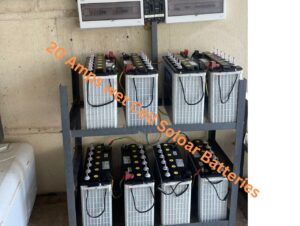
- Battery storage area
- Electrical panels
These areas should be:
- Cool
- Dry
- Well-ventilated
Therefore, proper space planning improves safety.
Step 6: Plan Wiring in Advance
Wiring is easier during construction.
If planned early, you avoid:
- Wall breaking
- Messy installations
- Extra labor cost
Therefore, include solar wiring in your building plan.
Step 7: Choose Quality Components
Quality matters in solar systems.
You need reliable:
- Solar panels
- Inverters
- Batteries
- Cables
Cheap components may fail quickly.
Therefore, invest in trusted products.
Step 8: Consider Battery Storage Needs
Batteries store energy for night use.
Your battery size depends on:
- Power usage
- Backup hours needed
For example, longer outages require larger batteries.
Therefore, plan battery capacity carefully.
Step 9: Think About Future Expansion
Energy needs grow over time.
You may add:
- More appliances
- Extra rooms
- Office equipment
Therefore, design your system to allow expansion.
Step 10: Work with Professionals
Professional guidance is very important.
Experts help with:
- System design
- Load calculation
- Proper installation
Therefore, you avoid costly mistakes.
Real-Life Example
Let’s compare two new homes.
Home A (No Planning)
- Solar added later
- Poor wiring layout
- Limited panel space
👉 Result: higher cost and lower efficiency
Home B (Planned Early)
- Solar included in design
- Proper wiring
- Optimized panel placement
👉 Result: better performance and lower cost
The difference is clear.
Common Mistakes to Avoid
Avoid these errors:
- Ignoring solar during construction
- Underestimating energy needs
- Using low-quality materials
- Not planning for expansion
These mistakes reduce system efficiency.
Practical Tips for Better Planning
To get the best results:
- Start planning early
- Work with professionals
- Use quality components
- Design for future growth
- Keep system simple and efficient
Therefore, your solar setup will be reliable.
Benefits of Proper Solar Planning
Good planning gives you:
- Stable power supply
- Lower long-term costs
- Cleaner installation
- Better system lifespan
In short, it makes your home energy-efficient.
Conclusion
Understanding Solar System Planning for New Homes helps you make smart decisions.
Planning early ensures better design, lower costs, and higher efficiency. In addition, it prepares your home for future energy needs.
Therefore, always include solar in your building plan.
Final Thought
Do not wait until your house is finished. Plan your solar system from the start. It will save you money and give you reliable power for years.