Electricity is now a daily need. However, power supply is often unreliable. Therefore, many people are turning to solar energy. It is clean, reliable, and cost-effective.
So, what exactly is solar energy? And how does it work? In this guide, we break it down simply. In addition, we explain why it matters for homes and businesses.
What Is Solar Energy?
Solar energy comes from the sun. It is light and heat energy. This energy can be converted into electricity.
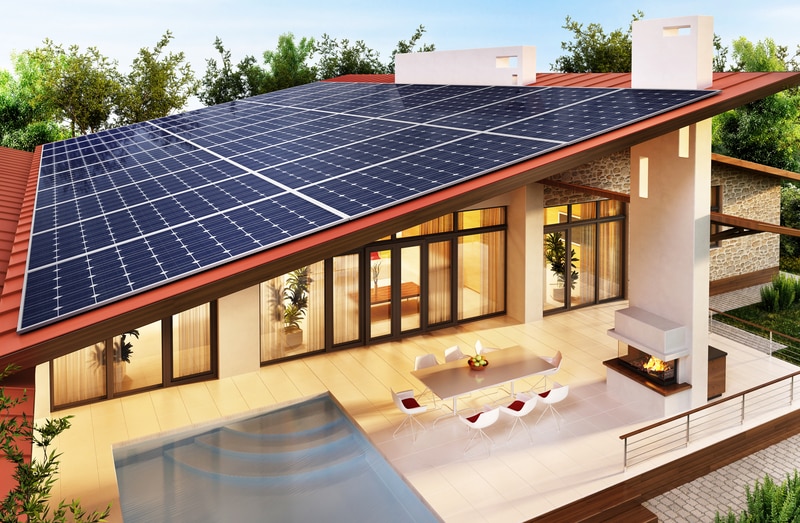
For example, solar panels capture sunlight. Then, they convert it into usable power. As a result, you can run appliances without relying on the grid.
In short, solar energy is renewable. It will not run out anytime soon.
Why Solar Energy Is Important
Solar energy is becoming more important daily. This is especially true in areas with unstable electricity.
Here’s why it matters:
- Reduces dependence on fuel generators
- Cuts electricity bills
- Supports clean environment
- Provides reliable power supply
- Works in remote locations
Furthermore, it helps reduce noise and pollution. Therefore, it is better for health and comfort.
How Does Solar Energy Work?
Solar energy works through a simple process. However, each component plays a key role.
Step-by-Step Process
- Sunlight Hits the Panels
Solar panels absorb sunlight. - Energy Conversion Begins
Panels convert sunlight into DC electricity. - Inverter Changes the Power
The inverter converts DC to AC power. - Electricity Powers Your Devices
Your home or office uses the electricity. - Battery Stores Extra Power (Optional)
Excess energy is stored for later use.
As a result, you get steady electricity even at night.
Key Components of a Solar System
A solar system has several important parts. Each one plays a specific role.
Main Components
- Solar Panels
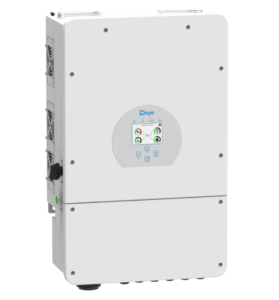
Capture sunlight and generate electricity - Inverter
Converts electricity into usable form - Batteries
Store power for later use - Charge Controller
Protects batteries from damage - Mounting Structure
Holds panels in place
In addition, proper installation ensures maximum efficiency.
Types of Solar Energy Systems
There are different types of solar systems. Each one suits different needs.
1. On-Grid System
Connected to public electricity supply.
However, it stops working during outages.
2. Off-Grid System
Works independently.
Therefore, it is ideal for remote areas.
3. Hybrid System
Combines grid and battery storage.
As a result, it offers flexibility and reliability.
Benefits of Solar Energy
Solar energy offers many advantages. This is why more people are switching.
Key Benefits
- Saves money long-term
- Reduces fuel costs
- Low maintenance needs
- Eco-friendly energy source
- Increases property value
Furthermore, solar systems last many years. Therefore, they are a smart investment.
Practical Example
Imagine a small business. It runs on generators daily. Fuel costs keep rising.
Now, switch to solar energy.
- Fuel costs drop significantly
- Noise reduces
- Power becomes stable
As a result, profits increase. Operations become smoother.
Tips for Getting Started
If you are considering solar, start smart.
Helpful Tips
- Assess your energy needs first
- Choose quality components
- Work with trusted installers
- Consider battery backup
- Maintain your system regularly
In addition, proper design ensures better performance.
Safety and Best Practices
Solar systems are safe. However, proper handling is important.
- Always use certified installers
- Avoid low-quality products
- Ensure proper wiring
- Schedule routine checks
Above all, safety protects your investment.
Conclusion
Solar energy is simple yet powerful. It turns sunlight into electricity. Moreover, it provides reliable and clean energy.
As power challenges continue, solar becomes the best solution. Therefore, now is the right time to consider it.
Final Thought
The sun shines every day. Why not use it? Start your solar journey today with a trusted provider like Jeho Ashar Energy.