Electricity is essential for modern living. However, power supply can be unreliable. Bills also keep increasing. Therefore, many people are turning to solar power.
Solar energy offers a smart solution. It provides steady electricity and reduces long-term costs. In addition, it works perfectly in Nigeria’s sunny climate.
But where do you start? This guide explains what you need to start using solar power in simple terms.
Why You Should Consider Solar Power
Before starting, it is important to understand the value. Solar power solves common energy problems.
For example, it reduces dependence on unstable electricity. It also cuts fuel costs from generators.
Key Benefits
- Reliable electricity supply
- Lower energy costs
- Cleaner environment
- Less generator noise
As a result, your home becomes more comfortable and efficient.
Step 1: Understand Your Energy Needs
The first step is knowing your power usage. This helps you choose the right system.
Start by listing your appliances. Then, estimate how often you use them.
Common Appliances to Consider
- Lights and fans
- Television
- Refrigerator
- Air conditioner
- Computers
In addition, consider future needs. Therefore, your system can support expansion.
Step 2: Choose the Right Solar System Type
There are different types of solar systems. Each one suits different needs.
Common Options
- Off-Grid System
Works without public electricity - Hybrid System
Combines solar, battery, and grid - Grid-Tied System
Connected to public power
Therefore, choosing the right system is very important.
Step 3: Get the Essential Solar Components
To start using solar power, you need key components. Each one plays an important role.
Main Components
- Solar Panels
Capture sunlight and generate electricity - Inverter
Converts power into usable electricity - Batteries
Store energy for night use - Charge Controller
Protects batteries from overcharging - Mounting Structure
Holds panels securely
In addition, quality components improve performance and durability.
Step 4: Set Your Budget
Solar systems require upfront investment. However, they save money long-term.
Costs depend on system size and quality. Therefore, it is important to plan properly.
Budget Tips
- Start with essential appliances
- Expand your system later
- Invest in quality products
- Avoid cheap components
As a result, you get better value over time.
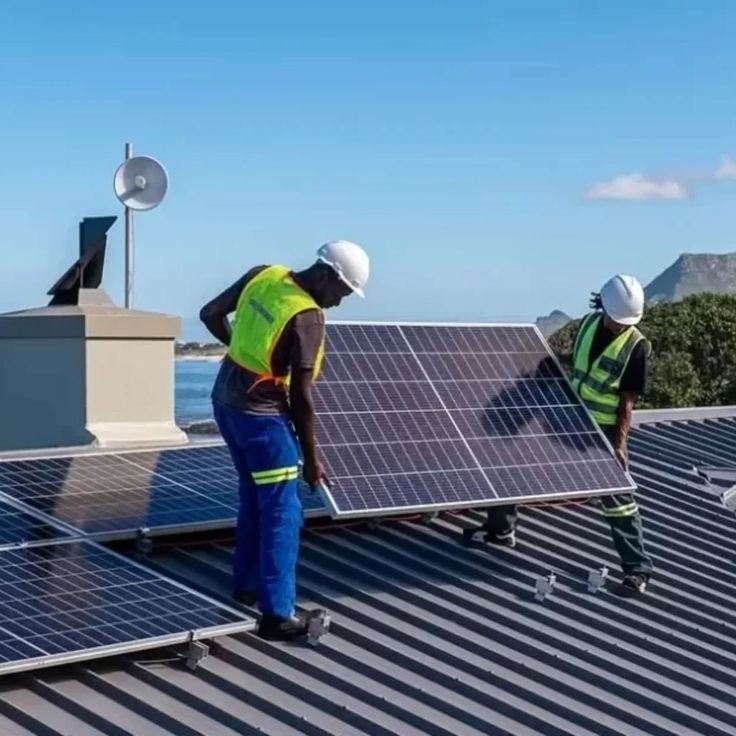
Step 5: Choose a Reliable Installer
Installation is a critical step. Poor installation can affect performance.
Therefore, always work with experienced professionals.
What to Look For
- Proven experience
- Good customer reviews
- Quality products
- After-sales support
In addition, a trusted provider ensures long-term reliability.
Step 6: Plan Your Installation Space
Solar panels need proper placement. This ensures maximum sunlight exposure.
For example, rooftops are commonly used. However, open ground space can also work.
Important Considerations
- Avoid shaded areas
- Ensure strong mounting structure
- Allow easy maintenance access
As a result, your system performs efficiently.
Step 7: Install Battery Storage (Optional but Recommended)
Batteries store extra energy. This is useful at night or during outages.
Without batteries, you depend on sunlight only. Therefore, backup storage is important.
Benefits of Batteries
- Power at night
- Backup during outages
- Reduced generator use
Consequently, your system becomes more reliable.
Practical Example
Imagine a homeowner in Abuja. They rely on generators daily. Fuel costs keep rising.
They decide to start using solar power.
- They assess their energy needs
- Install panels and batteries
- Reduce generator use
As a result, electricity becomes stable. Costs also reduce significantly.
Tips for First-Time Solar Users
Starting solar can feel overwhelming. However, simple tips can help.
Helpful Tips
- Start small and expand later
- Use energy-efficient appliances
- Monitor your power usage
- Clean panels regularly
- Schedule maintenance checks
In addition, proper care improves performance.
Common Mistakes to Avoid
Avoiding mistakes saves time and money.
- Choosing low-quality equipment
- Ignoring proper system sizing
- Hiring unqualified installers
- Skipping maintenance
Above all, quality and planning are key.
Safety and Best Practices
Solar systems are safe when installed correctly. However, precautions are important.
- Use certified professionals
- Ensure proper wiring
- Avoid water exposure to electrical parts
- Conduct regular inspections
Therefore, safety ensures long-term reliability.
Why Choose Jeho Ashar Energy?
Starting solar is easier with the right partner. At Jeho Ashar Energy, we provide reliable solutions.
What You Get
- High-quality solar products
- Expert installation services
- Customized system design
- Ongoing support
Therefore, your transition to solar is smooth and stress-free.
Conclusion
Knowing what you need to start using solar power makes the process easier. From understanding your needs to choosing the right system, every step matters.
Solar power offers reliable electricity and long-term savings. Therefore, starting today is a smart decision.
Final Thought
The sun is always available. Use it to your advantage. Start your solar journey today and enjoy a brighter future.
