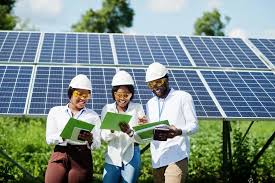
Electricity costs are rising fast. Power supply is also unreliable. Therefore, many Nigerians are turning to solar energy.
However, one key question remains. What is the actual cost of installing solar in Nigeria in 2026?
The answer depends on several factors. In this guide, we break everything down clearly. As a result, you will understand what to expect and how to plan.
Why Understanding Solar Costs Matters
Solar is a long-term investment. Therefore, knowing the cost helps you plan better.
In addition, it helps you avoid overspending. You can also choose the right system for your needs.
As a result, you get better value for your money.
Average Cost of Installing Solar in Nigeria (2026)
Solar installation costs vary widely. This depends on system size and components.
Estimated Price Ranges
- Small System (1kVA – 2kVA)
₦800,000 – ₦1,800,000 - Medium System (3kVA – 5kVA)
₦2,000,000 – ₦4,500,000 - Large System (7kVA – 10kVA and above)
₦5,000,000 – ₦12,000,000+
These are general estimates. However, actual prices may vary.
Key Factors That Affect Solar Installation Cost
Several factors influence pricing. Understanding them helps you make better decisions.
1. System Size
Larger systems cost more. However, they provide more power.
For example:
- Small homes need smaller systems
- Large homes require bigger setups
Therefore, your energy needs determine the cost.
2. Type of Solar System
Different systems have different costs.
- Off-Grid Systems
Usually more expensive due to batteries - Hybrid Systems
Moderate cost with flexibility - Grid-Tied Systems
Lower cost but no backup
Therefore, your choice affects your budget.
3. Battery Capacity
Batteries are one of the most expensive components. However, they are very important.
Larger battery capacity means higher cost. In addition, lithium batteries cost more than lead-acid.
Battery Cost Impact
- Small battery setup: Lower cost
- Large backup system: Higher cost
As a result, battery choice significantly affects total cost.
4. Quality of Components
High-quality components cost more. However, they last longer.
Cheap components may fail quickly. Therefore, they can cost more in the long run.
Important Components
- Solar panels
- Inverters
- Batteries
- Cables and accessories
In short, quality matters for durability.
5. Installation and Labor
Professional installation is essential. Costs vary depending on system complexity.
For example:
- Small systems cost less to install
- Large systems require more labor
Therefore, installation affects overall pricing.
Breakdown of Solar Installation Costs
To understand better, let’s break down the cost.
Typical Cost Distribution
- Solar panels: 25% – 35%
- Batteries: 30% – 50%
- Inverter: 10% – 20%
- Installation and accessories: 10% – 15%
As a result, batteries often take the largest share.
Is Solar Worth the Cost?
Many people worry about the upfront cost. However, solar offers long-term benefits.
Why Solar Is Worth It
- Reduces electricity bills
- Cuts generator fuel costs
- Provides reliable power
- Increases property value
Consequently, savings grow over time.
Real-Life Example
Imagine a homeowner in Abuja. They spend heavily on fuel monthly.
They install a 5kVA solar system.
- Fuel costs drop significantly
- Electricity becomes stable
- Monthly expenses reduce
As a result, the system pays for itself over time.
Ways to Reduce Solar Installation Costs
Solar can be expensive. However, there are ways to manage costs.
Cost-Saving Tips
- Start with a smaller system
- Expand later when needed
- Choose energy-efficient appliances
- Compare multiple quotes
- Invest in quality from the start
Therefore, smart planning helps reduce expenses.
Common Mistakes to Avoid
Avoiding mistakes saves money and stress.
- Choosing cheap components
- Ignoring proper system sizing
- Hiring inexperienced installers
- Skipping battery planning
Above all, planning is essential.
Safety and Best Practices
Safety is important in solar installations.
- Use certified professionals
- Ensure proper wiring
- Avoid low-quality materials
- Schedule regular maintenance
In addition, proper care extends system life.
Why Choose Jeho Ashar Energy?
At Jeho Ashar Energy, we provide reliable solar solutions tailored for Nigeria.
What You Get
- High-quality solar products
- Expert installation services
- Customized system design
- Ongoing support
Therefore, you get value for your investment.
Conclusion
The cost of installing solar in Nigeria (2026 guide) shows that prices vary. However, the long-term benefits outweigh the initial investment.
Solar provides reliable power and reduces costs. Therefore, it is a smart choice for homes and businesses.
Final Thought
Think long-term, not just upfront cost. Solar is an investment in comfort and stability. Start today and secure your energy future.