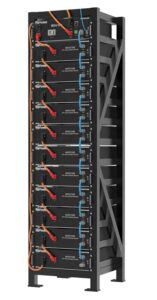

Solar energy needs can change over time. A system that worked perfectly two years ago may no longer meet your current needs today.
For example, you may have added new appliances. Similarly, your business may have expanded. As a result, your solar system may now struggle to keep up.
This is why many people eventually upgrade their systems.
Learning how to upgrade your solar system properly is very important. It helps you improve performance, increase backup time, and avoid costly mistakes.
This guide explains everything clearly and simply. Therefore, you will understand how to upgrade your solar setup the right way.
Why People Upgrade Solar Systems
There are many reasons for upgrading a solar system.
Common Reasons
- Increased electricity usage
- Addition of air conditioners
- Short battery backup time
- Business expansion
- Rising energy costs
As a result, existing systems may become too small.
Signs Your Solar System Needs an Upgrade
Some warning signs clearly show your system needs improvement.
Common Signs
- Frequent inverter overloads
- Batteries draining too quickly
- Appliances not working properly
- Reduced backup time
- Slow battery charging
Therefore, these signs should not be ignored.
Step 1: Assess Your Current Energy Usage
The first step is understanding your current electricity demand.
Many people upgrade blindly. However, this often leads to poor decisions.
What to Check
- Appliances currently in use
- New appliances added recently
- Daily power consumption
- Backup duration needs
As a result, you can determine the exact upgrade needed.
Step 2: Upgrade Your Solar Panels
Adding more solar panels increases energy generation.
This is one of the most common upgrades.
Benefits of More Solar Panels
- Faster battery charging
- Better daytime power supply
- Improved energy production
Therefore, extra panels improve system efficiency significantly.
Things to Consider Before Adding Panels
Not every system can handle additional panels immediately.
Important Checks
- Available roof space
- Inverter compatibility
- Charge controller capacity
- Wiring condition
Therefore, professional assessment is important before expansion.
Step 3: Upgrade Your Batteries
Battery upgrades improve energy storage.
This is especially useful for homes experiencing long nighttime usage or frequent blackouts.
Benefits of Battery Expansion
- Longer backup time
- Better power stability
- Improved energy independence
As a result, your home stays powered longer.
Avoid Common Battery Upgrade Mistakes
Battery upgrades require careful planning.
Mistakes to Avoid
- Mixing old and new batteries
- Combining different battery brands
- Using different capacities together
Consequently, battery imbalance can occur.
This reduces performance and lifespan.
Step 4: Upgrade Your Inverter
Sometimes the inverter becomes too small for your energy needs.
If you add more appliances, your inverter may overload frequently.
Signs You Need a Bigger Inverter
- Frequent shutdowns
- Overheating
- Weak appliance performance
Therefore, inverter upgrades may become necessary.
Choosing the Right Inverter Upgrade
Select an inverter that supports:
- Current energy demand
- Future expansion
- Battery compatibility
- Solar panel capacity
As a result, your upgraded system remains balanced and efficient.
Step 5: Improve Wiring and Protection Devices
Old or undersized wiring can reduce performance.
Similarly, weak protection systems create safety risks.
Important Upgrades
- Stronger cables
- Circuit breakers
- Surge protectors
- Proper grounding
Therefore, safety upgrades are essential during expansion.
Step 6: Upgrade to Lithium Batteries
Many older systems use lead-acid batteries.
However, lithium batteries offer better performance.
Benefits of Lithium Batteries
- Longer lifespan
- Faster charging
- Lower maintenance
- Better efficiency
Although they cost more initially, they save money long-term.
Step 7: Install a Monitoring System
Modern solar systems often include monitoring tools.
These systems track:
- Energy generation
- Battery status
- Power consumption
As a result, users can monitor system performance easily.
Real-Life Example
Imagine a homeowner in Abuja.
Initially, they install:
- 4 solar panels
- 2 batteries
- 3.5kVA inverter
At first, the system powers basic appliances comfortably.
Later, they buy:
- Air conditioners
- Extra freezer
- Washing machine
Consequently, the system begins overloading.
To fix this, they upgrade:
- More solar panels
- Extra lithium batteries
- Larger hybrid inverter
As a result, the system becomes stable and efficient again.
Benefits of Upgrading Your Solar System
Upgrading improves both comfort and efficiency.
Major Benefits
- More available power
- Better backup time
- Reduced generator dependence
- Lower electricity costs
- Improved appliance performance
Therefore, upgrades can significantly improve daily living.
Common Solar Upgrade Mistakes
Some upgrades create new problems.
Mistakes to Avoid
- Buying incompatible components
- Ignoring system balance
- Hiring inexperienced installers
- Using poor-quality products
As a result, performance may worsen instead of improving.
Importance of Professional Solar Assessment
Every solar system is different.
Professional solar experts evaluate:
- Existing system capacity
- Wiring condition
- Battery compatibility
- Roof space availability
Therefore, expert planning ensures smooth upgrades.
Practical Tips for Solar Upgrades
Good planning saves money and stress.
Smart Upgrade Tips
- Upgrade gradually if necessary
- Choose expandable systems
- Invest in quality components
- Plan for future energy growth
Above all, avoid rushing decisions.
Why Choose Jeho Ashar Energy?
At Jeho Ashar Energy, we help customers upgrade solar systems professionally and efficiently.
What We Offer
- Expert solar assessment
- Quality upgrade solutions
- Professional installation
- Reliable technical support
Therefore, your upgraded system performs safely and efficiently.
Conclusion
Learning how to upgrade your solar system properly helps you improve reliability, efficiency, and long-term performance.
Whether you upgrade panels, batteries, or inverters, planning is very important.
Therefore, every upgrade should be done carefully and professionally.
Final Thought
Your energy needs may grow over time. A properly upgraded solar system keeps your home or business powered confidently for years ahead.