
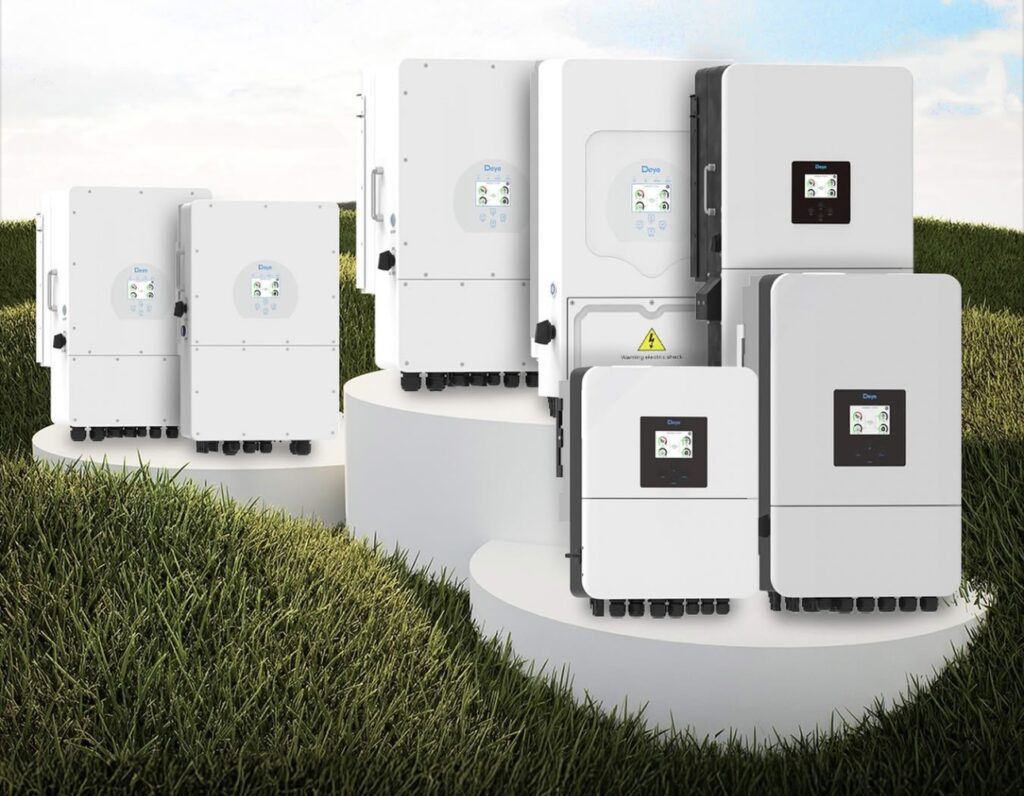
Solar energy is growing rapidly across Nigeria. More homes and businesses now rely on inverters for stable electricity every day.
However, many buyers still ask an important question.
Are Deye inverters really water resistant?
This question matters greatly. Nigeria experiences heavy rainfall, dusty weather, high humidity, and extreme heat in many regions.
As a result, inverter protection becomes very important.
A damaged inverter can affect your entire solar system. Therefore, understanding how water resistance works helps homeowners make smarter decisions.
The good news is this.
Many Deye inverters are built with strong environmental protection features. However, water resistance does not mean the inverter can survive every condition without proper installation.
This guide explains everything clearly. Therefore, you will understand how Deye inverters handle moisture, what protection ratings mean, proper installation practices, and how to protect your solar investment.
What Does Water Resistant Mean?
Many people misunderstand the term “water resistant.”
Water resistant does not mean waterproof.
Instead, it means the inverter can resist limited exposure to moisture under specific conditions.
Water Resistant Means
- Protection from rain splashes
- Resistance against humidity
- Better outdoor durability
- Reduced moisture damage
Waterproof Means
- Full protection underwater
- Complete sealing from water
Therefore, even water-resistant inverters still require proper protection and installation.
Why Water Resistance Matters in Nigeria
Nigeria’s weather conditions can be harsh on electrical equipment.
For example:
- Heavy rainfall
- Dust storms
- High humidity
- Intense heat
- Flood-prone environments
As a result, poorly protected inverters may develop faults over time.
Therefore, choosing durable solar equipment is extremely important.
Why Deye Inverters Are Popular
Deye inverters have become widely used across Nigeria.
This is because they offer:
- High efficiency
- Smart monitoring features
- Hybrid compatibility
- Battery integration
- Reliable performance
In addition, many installers trust Deye products for residential and commercial projects.
Are Deye Inverters Really Water Resistant?
Yes, many Deye inverter models offer water-resistant protection.
However, protection levels vary depending on the model.
Some Deye hybrid inverters come with high IP-rated protection designed for outdoor installation.
Therefore, checking the specific inverter specification is very important before purchase.
Understanding IP Ratings
IP stands for “Ingress Protection.”
This rating shows how resistant a device is against dust and water.
Common IP Ratings
- IP20
- IP54
- IP65
- IP66
Generally, higher numbers mean stronger protection.
As a result, outdoor-compatible inverters usually have higher IP ratings.
What Does IP65 Mean for Inverters?
Many outdoor Deye inverters use IP65 protection.
This means:
- Strong dust resistance
- Protection against rain splashes
- Better outdoor durability
However, it does not mean the inverter should remain underwater or exposed to flooding.
Therefore, proper installation still matters greatly.
Can Deye Inverters Be Installed Outdoors?
Yes, many Deye inverter models support outdoor installation.
However, installers still recommend extra protection.
Recommended Outdoor Protection
- Shaded installation area
- Rain cover protection
- Proper ventilation
- Elevated mounting position
Consequently, the inverter performs more efficiently and lasts longer.
Why Proper Installation Matters
Even high-quality inverters can become damaged through poor installation.
For example:
- Direct rain exposure
- Flood-prone installation areas
- Poor ventilation
- Excessive heat exposure
These conditions may reduce inverter lifespan significantly.
Therefore, professional installation is extremely important.
Common Misunderstandings About Water Resistance
Many homeowners believe water-resistant inverters can survive every weather condition.
However, this is incorrect.
Water Resistance Does NOT Mean
- Installing inside flooded areas
- Leaving under heavy rain permanently
- Ignoring ventilation requirements
- Allowing direct water entry
As a result, installation safety should never be ignored.
Benefits of Water-Resistant Inverters
Water-resistant inverters offer several advantages for Nigerian environments.
Key Benefits
- Better durability
- Improved outdoor compatibility
- Reduced moisture damage
- Longer inverter lifespan
- More reliable system performance
Therefore, homeowners enjoy better long-term value.
Heat and Humidity Protection
Water is not the only concern.
Heat and humidity also affect inverter performance.
Common Environmental Risks
- Moisture buildup
- Corrosion
- Internal overheating
- Electrical faults
Consequently, proper airflow and installation positioning are extremely important.
Best Places to Install Deye Inverters
Choosing the correct installation location helps improve inverter lifespan.
Recommended Installation Areas
- Indoor utility rooms
- Covered balconies
- Technical storage areas
- Protected outdoor walls
Meanwhile, avoid installing in:
- Flood-prone areas
- Direct sunlight zones
- Poorly ventilated spaces
- Areas with roof leakage
As a result, the inverter performs more safely and efficiently.
Safety Tips for Inverter Installation
Safety should always come first during installation.
Important Safety Tips
- Use certified installers
- Avoid direct rain exposure
- Ensure proper ventilation
- Use quality protection devices
- Install proper grounding systems
Therefore, your solar system remains safer and more reliable.
Why Ventilation Matters
Inverters generate heat during operation.
Without proper airflow, temperatures may rise excessively.
Poor Ventilation Can Cause
- Overheating
- Reduced efficiency
- System shutdowns
- Faster component wear
Consequently, proper spacing around the inverter is very important.
Real-Life Example
Imagine a homeowner in Port Harcourt.
The inverter gets installed directly outside without shade or rain protection.
After several months, moisture begins affecting internal components.
Eventually, inverter performance becomes unstable.
Now imagine another homeowner using:
- Proper rain cover
- Elevated mounting
- Good ventilation
- Professional installation
As a result, the inverter operates efficiently for many years.
Can Water Damage Void Warranty?
In many cases, yes.
Manufacturers may reject warranty claims caused by improper installation or water exposure.
Therefore, following installation guidelines is extremely important.
Always Check
- Manufacturer specifications
- Approved installation conditions
- IP protection rating
- Warranty coverage details
Consequently, you avoid expensive repair costs later.
Why Professional Installation Is Important
Solar inverter installation involves technical planning and electrical safety.
Professional installers ensure:
- Correct positioning
- Safe wiring
- Proper ventilation
- Moisture protection
- Reliable system performance
Therefore, expert installation protects your investment long term.
Why Choose Jeho Ashar Energy?
At Jeho Ashar Energy, we provide reliable solar solutions tailored for Nigerian homes and businesses.
What We Offer
- Genuine Deye inverters
- Professional installation
- Expert technical support
- Reliable solar consultation
- Long-term maintenance guidance
As a result, customers enjoy stable and efficient solar systems.
Conclusion
So, are Deye inverters really water resistant?
Yes, many Deye inverter models offer strong water-resistant protection and outdoor compatibility. However, they are not completely waterproof.
Therefore, proper installation, ventilation, and environmental protection remain extremely important.
With correct setup and maintenance, Deye inverters can deliver reliable performance for many years in Nigerian weather conditions.
Final Thought
A powerful inverter alone is not enough. Proper installation and environmental protection are what truly keep your solar system reliable and long-lasting.
It’s really helpful to understand that water resistance doesn’t mean an inverter can handle every condition on its own. Proper installation clearly plays a huge role in keeping these systems safe from rain and humidity, which is something many homeowners might not realize. Considering both the device and how it’s installed makes a big difference for long-term performance.
This is a crucial clarification for Nigerian homeowners, especially since high humidity and heavy rain can easily confuse ‘water-resistant’ with ‘waterproof.’ It is eye-opening to realize that proper installation is just as vital as the inverter’s IP rating for ensuring long-term reliability in our local climate.