
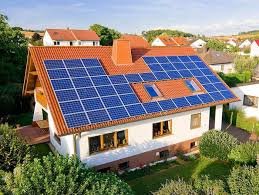
Building a new home is exciting. However, many people focus only on paint, tiles, and furniture. They forget one major thing. Energy planning. As a result, they later face high electricity bills, poor wiring, and constant power problems.
Today, smart homeowners plan energy early. They think ahead. They prepare for future needs. In Nigeria, this matters even more. Power supply remains unstable in many areas. Meanwhile, fuel prices continue to rise. Therefore, proper energy planning can save money, stress, and time.
Energy planning for new homes helps you design a better lifestyle. It also improves comfort, efficiency, and property value. In addition, it prepares your home for solar power and backup systems.
At Jeho Ashar Energy, many homeowners now request energy-focused house designs before construction even starts. This approach reduces future electrical problems and supports long-term savings.
What Is Energy Planning?
Energy planning means preparing your home’s electrical needs before construction finishes. It involves understanding how power will flow through the house. It also includes planning appliances, lighting, solar systems, and energy backup solutions.
Good energy planning answers important questions like:
- How much power will the house need?
- Which appliances will run daily?
- Will solar power be installed?
- How many air conditioners are needed?
- Will batteries or generators be used?
- How can electricity bills stay low?
Without proper planning, homeowners often spend more later. For example, they may need to rewire walls or upgrade inverters after moving in.
Why Energy Planning Matters in Nigeria
Nigeria faces several power challenges. Therefore, homeowners must think ahead.
Frequent Power Outages
Many areas experience unstable electricity daily. Consequently, homes need backup solutions like solar systems, batteries, or generators.
Rising Electricity Tariffs
Electricity costs continue increasing. As a result, energy-efficient homes save more money over time.
High Fuel Costs
Generators consume fuel regularly. Meanwhile, petrol and diesel prices remain expensive. Therefore, reducing generator dependence becomes important.
Growing Appliance Usage
Modern homes use more devices than before. For instance:
- Air conditioners
- Freezers
- Water heaters
- Washing machines
- Smart TVs
- CCTV systems
- Electric gates
Without planning, these appliances can overload the electrical system.
Benefits of Proper Energy Planning
Energy planning offers several advantages. In addition, it improves both comfort and safety.
Lower Electricity Bills
Efficient homes waste less power. Therefore, monthly bills reduce significantly.
Better Solar Compatibility
Homes designed for solar systems install faster and cheaper later.
Improved Safety
Proper wiring reduces fire risks and electrical damage.
Easier Future Expansion
You can upgrade batteries, panels, or appliances without major reconstruction.
Higher Property Value
Energy-efficient homes attract more buyers and tenants.
Key Areas to Plan Before Building
Energy planning should begin early. Ideally, it starts before electrical wiring begins.
1. Calculate Your Energy Needs
First, estimate your daily power usage. This helps determine the right system size.
List appliances like:
- TVs
- Fans
- Air conditioners
- Refrigerators
- Microwaves
- Water pumps
- Lighting
- Laptops
Next, estimate how many hours each appliance runs daily.
For example:
| Appliance | Quantity | Hours Daily |
|---|---|---|
| LED Bulbs | 15 | 6 |
| Fans | 4 | 10 |
| TV | 2 | 8 |
| Refrigerator | 1 | 24 |
| AC Units | 2 | 7 |
This calculation helps determine inverter and battery size.
2. Plan for Solar Power Early
Many homeowners wait too long before considering solar. However, planning early saves money.
Solar-ready homes include:
- Proper roof direction
- Strong roof structures
- Conduit pipes for solar cables
- Battery storage space
- Ventilated inverter rooms
As a result, installation becomes easier later.
At Jeho Ashar Energy, many clients now request solar-ready electrical layouts during construction.
3. Use Energy-Efficient Appliances
Efficient appliances consume less electricity. Therefore, smaller solar systems can power them.
Choose:
- LED lighting
- Inverter air conditioners
- Energy-saving refrigerators
- Efficient televisions
- Low-power fans
Although some appliances cost more initially, they reduce long-term expenses.
4. Separate Heavy and Light Loads
This is a very important step. Heavy appliances should use separate circuits.
Heavy loads include:
- Air conditioners
- Water heaters
- Electric cookers
- Pressing irons
- Industrial equipment
Light loads include:
- TVs
- Bulbs
- Fans
- Routers
This setup improves energy management. In addition, it protects your inverter from overload.
5. Install Proper Wiring
Cheap wiring causes major problems later. Therefore, quality cables matter.
Good wiring helps:
- Prevent overheating
- Improve efficiency
- Reduce voltage drops
- Support future upgrades
In particular, solar systems require proper cable sizing for safety and performance.
Choosing the Right Solar System
Different homes need different setups. Therefore, homeowners should understand basic options.
Hybrid Solar Systems
Hybrid systems combine:
- Solar panels
- Batteries
- PHCN connection
These systems are very popular in Nigeria. They provide flexibility and reliable backup.
Off-Grid Solar Systems
These systems work completely without PHCN.
They suit:
- Remote areas
- Farms
- Estates with poor electricity
However, they usually require larger batteries.
Best Energy Planning Tips for New Homes
Here are practical tips homeowners should follow.
Think Long-Term
Plan for future appliances now. For instance, you may later add:
- More air conditioners
- CCTV cameras
- Electric fences
- Water heaters
Preparing early prevents costly upgrades later.
Leave Extra Space
Battery rooms and inverter areas need ventilation and expansion space.
Use Smart Lighting
Natural light reduces daytime electricity usage.
Install Surge Protection
Nigeria experiences voltage fluctuations often. Therefore, surge protectors help protect appliances.
Work With Professionals
Professional installers reduce mistakes. In addition, they recommend better system sizing.
Common Energy Planning Mistakes
Many homeowners make avoidable errors.
Underestimating Power Needs
Small systems later become overloaded.
Buying Cheap Components
Low-quality products fail quickly.
Ignoring Battery Expansion
Some systems cannot expand easily later.
Poor Roof Design
Wrong roof angles reduce solar performance.
No Ventilation
Inverters and batteries need airflow to prevent overheating.
Real-Life Example
Imagine a homeowner building a 4-bedroom duplex in Abuja.
Without planning:
- Wiring becomes overloaded
- Generator fuel costs rise
- Solar installation becomes difficult
- Battery space becomes limited
However, with proper planning:
- Solar cables are pre-installed
- Separate load circuits exist
- Energy-efficient appliances reduce costs
- Future upgrades become simple
Consequently, the homeowner saves money and enjoys stable electricity.
How Jeho Ashar Energy Helps Homeowners
Jeho Ashar Energy helps homeowners design energy-smart homes across Nigeria.
Services include:
- Solar consultations
- Load analysis
- Inverter sizing
- Battery recommendations
- Solar-ready electrical planning
- Installation support
In addition, the company helps clients avoid costly energy mistakes during construction.
The Future of Smart Homes in Nigeria
Energy planning is becoming more important yearly. Furthermore, smart homes are growing rapidly across Nigeria.
Modern homes now include:
- Solar systems
- Smart lighting
- Automated security
- Energy monitoring systems
- Battery backups
Therefore, homeowners who plan early stay ahead.
Solar technology also continues improving. Meanwhile, electricity costs continue rising. As a result, energy-efficient homes will become even more valuable.
Conclusion
Energy planning for new homes is no longer optional. It is necessary. In Nigeria, unstable electricity and rising fuel prices make proper planning very important.
A well-planned home saves money. It also improves comfort, safety, and reliability. Furthermore, it prepares your property for future solar upgrades.
Planning early prevents expensive mistakes later. Therefore, homeowners should think beyond basic wiring. They should focus on long-term energy efficiency and smart power management.
Most importantly, work with experienced professionals who understand modern solar and electrical systems.
Final Thought
Your dream home deserves reliable power. Plan wisely today. Save more tomorrow. Smart energy planning creates a stronger and more efficient future.

You made a great point about energy planning being something homeowners should think about before construction is finished, not after problems start showing up. A lot of people underestimate how much future appliances, remote work setups, and rising fuel costs can affect power demand over time. Planning wiring and backup options early definitely seems like a smarter long-term approach.