
A solar system should provide stable and reliable power daily. However, many homeowners suddenly notice their batteries are no longer charging properly. As a result, appliances stop working, backup time reduces, and frustration increases.
This issue is very common in Nigeria. Meanwhile, the causes can vary from simple dirt on panels to serious inverter faults. Therefore, understanding the warning signs is important.
At Jeho Ashar Energy, we help homes and businesses diagnose and fix solar charging problems quickly. In this guide, you will learn the common reasons your solar system is not charging and how to solve them safely.
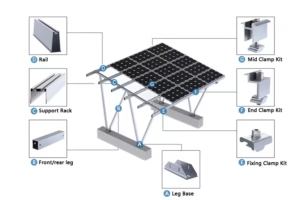
How a Solar Charging System Works
Before identifying problems, it helps to understand how charging works.
A solar system charges through these steps:
- Solar panels collect sunlight
- The charge controller regulates power
- Batteries store the energy
- The inverter converts power for use
If one component fails, charging problems can occur. Consequently, the entire system may stop performing properly.
Common Signs Your Solar System Is Not Charging
You may notice:
- Batteries draining quickly
- No charging indicator
- Low battery voltage
- Inverter warning lights
- Reduced backup time
- Appliances shutting down early
- Charging percentage staying low
In some cases, the system may stop charging completely. Meanwhile, some systems charge very slowly instead.
Main Reasons Your Solar System Is Not Charging
1. Dirty Solar Panels
Dirty panels are one of the most common causes. Dust, bird droppings, and debris block sunlight from reaching the solar cells.
In Nigeria, dusty weather is common. Therefore, panels lose efficiency faster without cleaning.
Signs include:
- Weak charging
- Reduced daytime performance
- Low solar voltage
For example, panels covered with heavy dust may lose significant charging capacity.
Solution
- Clean panels regularly
- Use soft cloths
- Avoid harsh chemicals
- Remove leaves and debris
Additionally, schedule routine inspections for better performance.
2. Insufficient Sunlight
Solar panels need proper sunlight exposure. However, shading can reduce charging drastically.
Common causes include:
- Trees blocking sunlight
- Nearby buildings
- Poor panel positioning
- Cloudy weather
Even partial shade affects performance. Consequently, batteries may not charge fully during the day.
Solution
- Reposition panels if necessary
- Trim nearby trees
- Install panels at proper angles
- Avoid shaded roof areas
Above all, ensure maximum sun exposure daily.
3. Faulty Charge Controller
The charge controller regulates energy flow into the batteries. If it fails, charging problems begin immediately.
Common signs include:
- Batteries not charging
- Error messages
- Overcharging
- Very slow charging
Meanwhile, damaged controllers may also affect battery lifespan.
Solution
- Check controller display
- Inspect wiring connections
- Replace faulty units
- Use compatible controllers
Professional testing is usually recommended.
4. Weak or Damaged Batteries
Sometimes the panels work properly, but the batteries cannot store energy.
Batteries weaken over time because of:
- Old age
- Overcharging
- Deep discharge
- Excessive heat
- Poor maintenance
Signs include:
- Swollen batteries
- Short backup time
- Overheating
- Low voltage readings
For instance, an old battery may appear charged but lose power quickly.
Solution
- Test battery voltage
- Replace damaged batteries
- Avoid total battery discharge
- Maintain proper charging cycles
In addition, lithium batteries often last longer with proper care.
5. Loose or Damaged Wiring
Solar systems rely heavily on good wiring. Loose cables interrupt power flow.
Common issues include:
- Corroded terminals
- Burnt wires
- Rodent damage
- Loose connectors
As a result, energy cannot move properly between panels, batteries, and inverters.
Warning Signs
- Flickering lights
- Random shutdowns
- Sparks
- Burning smell
Solution
- Tighten loose connections
- Replace damaged wires
- Protect cables from moisture
- Use quality connectors
Electrical faults should always be handled carefully.
6. Faulty Inverter
The inverter controls power conversion and battery communication. If it develops faults, charging problems may occur.
Signs include:
- Red warning lights
- No display
- Error codes
- Continuous beeping
For example, some inverters stop charging when internal components overheat.
Solution
- Restart the inverter
- Check error messages
- Improve ventilation
- Contact a qualified technician
At Jeho Ashar Energy, we help diagnose inverter problems professionally.
7. Incorrect Solar System Size
Some systems are simply too small for the energy demand.
For example:
- Too few solar panels
- Small battery bank
- Undersized inverter
Consequently, the batteries never charge fully because power consumption exceeds solar production.
Solution
You may need to:
- Add more panels
- Upgrade batteries
- Increase inverter capacity
Proper load calculation is very important during installation.
8. Battery Protection Mode
Modern batteries have built-in protection systems. Sometimes batteries stop charging automatically to prevent damage.
This happens because of:
- Excess heat
- Low voltage
- Overcharging
- Internal faults
Meanwhile, users may think the entire system is faulty.
Solution
- Allow batteries to cool
- Reset the system
- Check battery settings
- Contact professionals if issues continue
9. Extreme Heat
Nigeria’s weather can become extremely hot. Excessive heat affects charging performance significantly.
Heat may cause:
- Battery overheating
- Inverter shutdowns
- Reduced efficiency
- Faster battery aging
Therefore, cooling and ventilation are very important.
Solution
- Install systems in ventilated areas
- Avoid direct heat exposure
- Keep batteries indoors if possible
Proper airflow improves system lifespan greatly.
10. Blown Fuses or Breakers
Fuses and breakers protect solar systems from electrical damage. However, they may trip during overloads.
Signs include:
- Sudden charging failure
- No solar input
- Dead inverter display
Solution
- Inspect breakers carefully
- Replace damaged fuses
- Avoid system overload
Never bypass protective devices.
How to Prevent Solar Charging Problems
Prevention is always cheaper than repairs.
Best Maintenance Practices
Clean Panels Frequently
Dust reduces charging efficiency quickly.
Monitor Battery Performance
Watch for voltage drops and overheating.
Schedule Routine Servicing
Professional inspections help detect hidden problems early.
Avoid Overloading
Do not exceed your inverter capacity.
Use Quality Components
Cheap products often fail faster.
Real-Life Example
A homeowner in Abuja noticed reduced battery backup. Initially, the system worked well. However, after several months, charging became inconsistent.
After inspection, technicians discovered:
- Dust-covered panels
- Loose battery terminals
- Weak batteries
Once cleaned and serviced, charging performance improved immediately.
This shows why regular maintenance matters.
When Should You Call a Solar Technician?
You should seek professional help if:
- Charging stops completely
- Batteries overheat
- Error messages appear
- Wiring smells burnt
- Panels appear damaged
Furthermore, repeated charging failure usually indicates deeper electrical issues.
At Jeho Ashar Energy, we provide expert solar inspections, repairs, and maintenance services across Nigeria.
Conclusion
Solar charging problems can happen for many reasons. Dirty panels, faulty batteries, inverter issues, weak wiring, and poor sunlight exposure are among the most common causes.
Fortunately, many problems can be fixed early through regular maintenance and professional servicing. Therefore, never ignore warning signs like weak charging, overheating, or error messages.
A properly maintained solar system delivers reliable power, lower electricity bills, and longer equipment lifespan.
Final Thought
Your solar system works hard daily. Give it proper care and regular servicing. Small maintenance today can prevent expensive repairs tomorrow.
Breaking down the solar charging process like this really helps make sense of why systems sometimes underperform. Catching warning signs early seems like a smart way to prevent bigger issues down the line.